device’s costs or price increases. Marketing a foreign video game or gaming console in China is an immensely challenging endeavor due to the nation’s rigid laws and regulations.
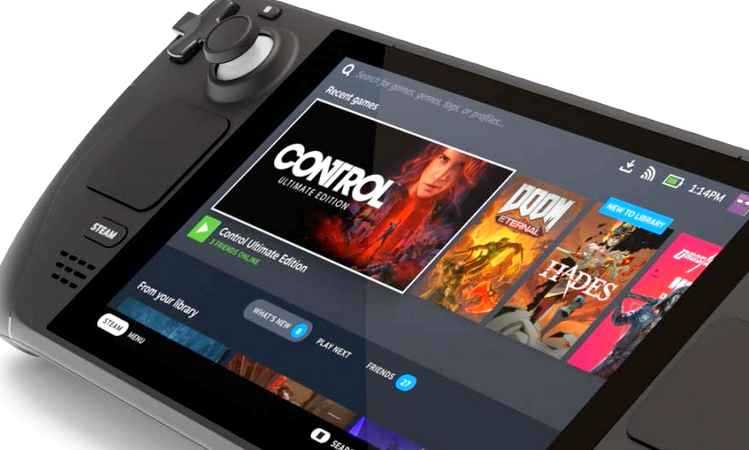
Prior to a foreign entity initiating the process, it must collaborate with a local Chinese firm that will oversee all distribution. For example, in 2019, Nintendo partnered with Tencent to market the Switch and its titles in China. Conversely, Valve has not taken steps to permit local distribution of the Steam Deck, and until such arrangements are made, the company cannot even engage the Chinese government to sell the gaming device in any formal way. Even if a business successfully navigates all the required obstacles and secures approval for its console in China, its strategy may still unravel.
In 2024, Reuters indicated that Tencent would cease support for the Nintendo Switch by March 2026. The prevailing theory suggests that the console experienced lackluster sales in China due to the government’s numerous limitations on Tencent’s Switch launch, including enforcing regional locks (unlike other versions that can access games from different nations). It wouldn’t be shocking if Valve opted against marketing the Steam Deck in China because executives believe it would not be a prudent investment.