
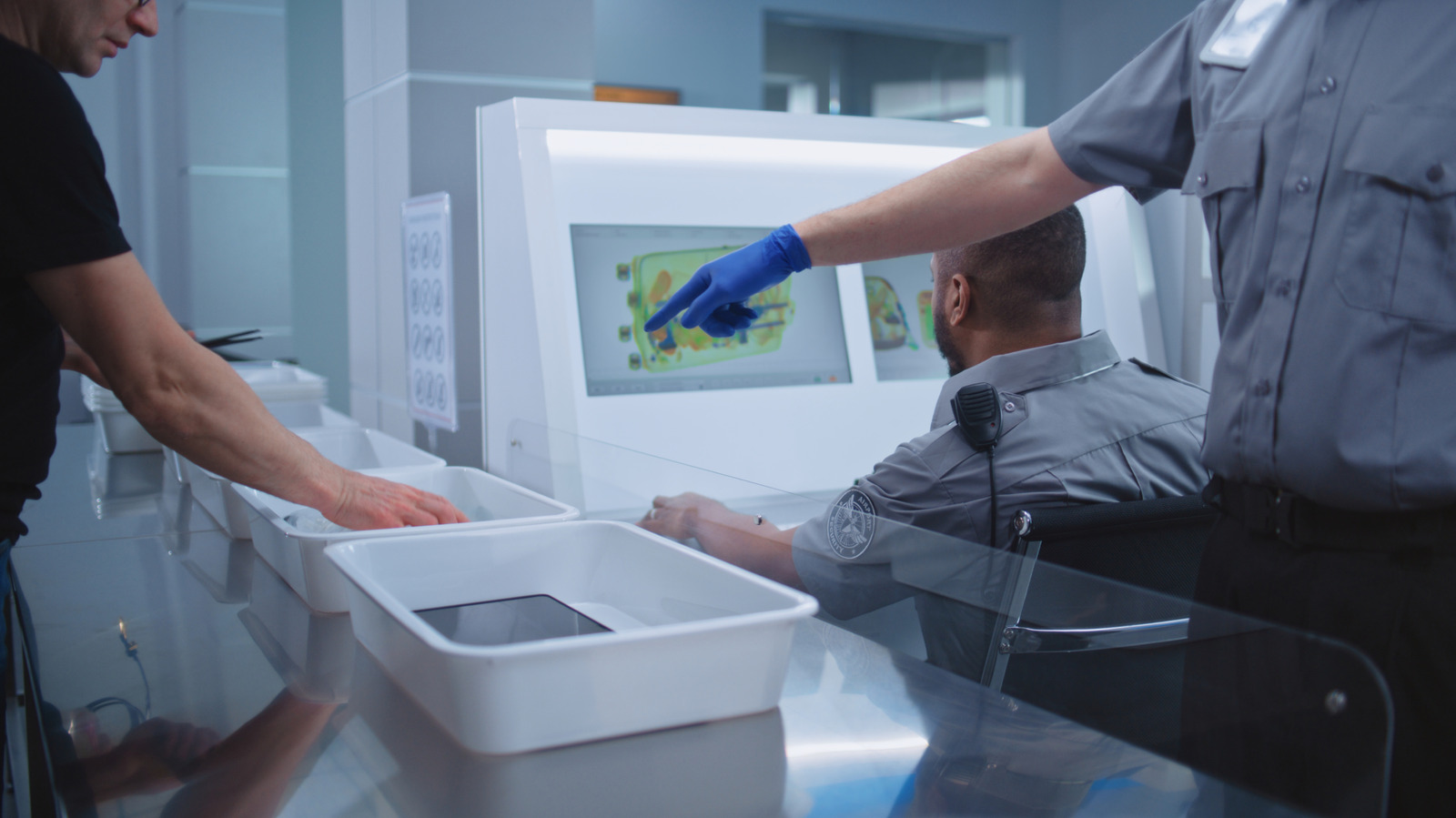

Travelers arriving in the United States need to be informed about the enhanced powers of U.S. Customs and Border Protection (CBP) to inspect electronic devices as per the newly issued directive 3340-049B. This directive, released in early January, expands the types of devices eligible for searches, now encompassing flash drives, SIM cards, smartwatches, vehicle infotainment systems, GPS units, and drones. In contrast, the previous directive 3340-049A restricted the list to computers, tablets, disks, drives, tapes, mobile phones, and other communication gadgets, cameras, music, and media players.
The addition of these extra devices signifies the increasing variety of personal data storage means that travelers might possess. Although smartphone access by CBP officers remains the same, the directive underscores the significance of smartphones, which frequently hold the most personal data.
Reports suggest a rising trend in electronic device inspections at the U.S. border. As stated by The National Post, CBP executed 55,318 searches over a 12-month period covering 2024 and 2025, reflecting a 17% rise from the preceding year. This number includes searches of devices owned by 13,590 Americans, a notable 56% increase compared to the previous year. Nevertheless, these searches account for only 0.01% of international travelers. With the directive broadening the array of searchable devices, travelers must remain aware of the possibility of their electronic devices being inspected upon arrival in the U.S.