
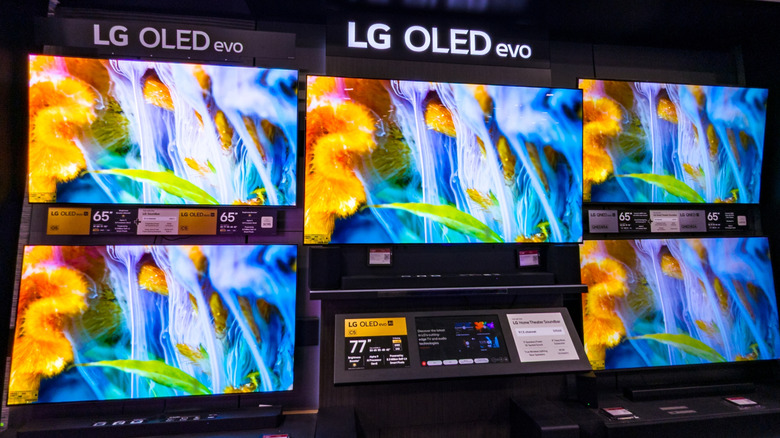

TV manufacturers have transitioned to OLED technology due to its ability to offer deeper contrast, vivid colors, and exceptional picture quality. Nevertheless, the technology is not entirely flawless — just yet. A crucial element still eludes producers, which is essential for crafting a genuinely durable OLED display.
This challenge is referred to as the blue pixel dilemma. Light is generated through red, green, and blue pixels at different intensities to produce a complete range of colors on display. However, achieving the deep-blue light emission, responsible for making cooler colors appear so vivid on an OLED screen, demands a greater amount of photon energy. This significant energy demand results in various specific disadvantages in OLED displays, including faster deterioration of the blue pixels and marked energy inefficiency overall.
<pFortunately, several companies are nearing a resolution to the blue pixel dilemma. In February 2026, the South Korean company specializing in OLED materials, Lordin, revealed that it was close to bringing high-efficiency phosphorescent blue OLED panels to market. Lordin has established mass production capabilities in India and has access to deuterium, which can enhance the lifespan of different OLED materials. With intentions to secure $25 million in funding prior to its initial public offering, Lordin stands a strong chance in the competition to produce OLED panels with unprecedented longevity.