
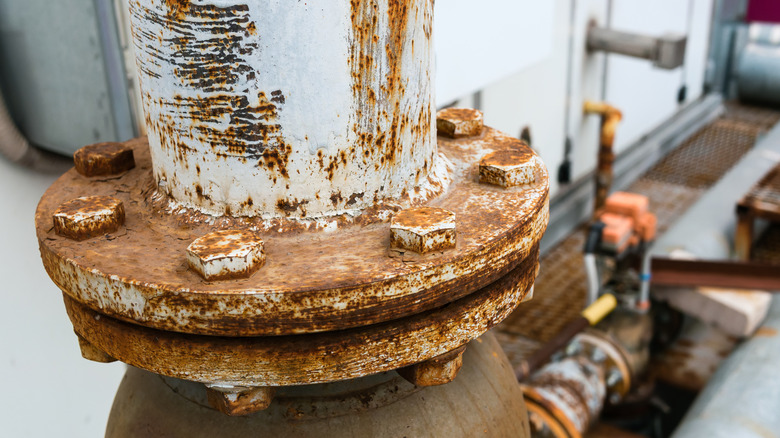

major tech firms are diving deep into nuclear energy and are also exploring alternative methods to power the data centers they are constructing. Earlier this year, Google revealed its ambitious plans to establish a new data center in Minnesota. While Google is among several companies pouring significant resources into nuclear energy currently, it has also made investments in other energy-related initiatives, including a novel battery system that relies on an unexpected element to generate power: rust.
This innovative battery comes from a firm named Form Energy, and it will equip Google with a distinctive battery that utilizes a specially engineered system to generate 300 megawatts of electricity with up to 100 hours of operational endurance. The battery discussed employs what the company denotes as an iron-air battery, which fundamentally uses oxygen to “inhale” while it generates electricity. Beyond being a particularly distinctive battery design, the firm also asserts that this new battery represents the “largest battery project by gigawatt-hour energy capacity disclosed to date globally.”
If that wasn’t remarkable enough, the battery will additionally collaborate with Google and Xcel Energy’s initiatives to supply 1,900 megawatts of clean energy to the Minnesota grid, harnessing wind, solar, and long-duration energy storage to accomplish this.