
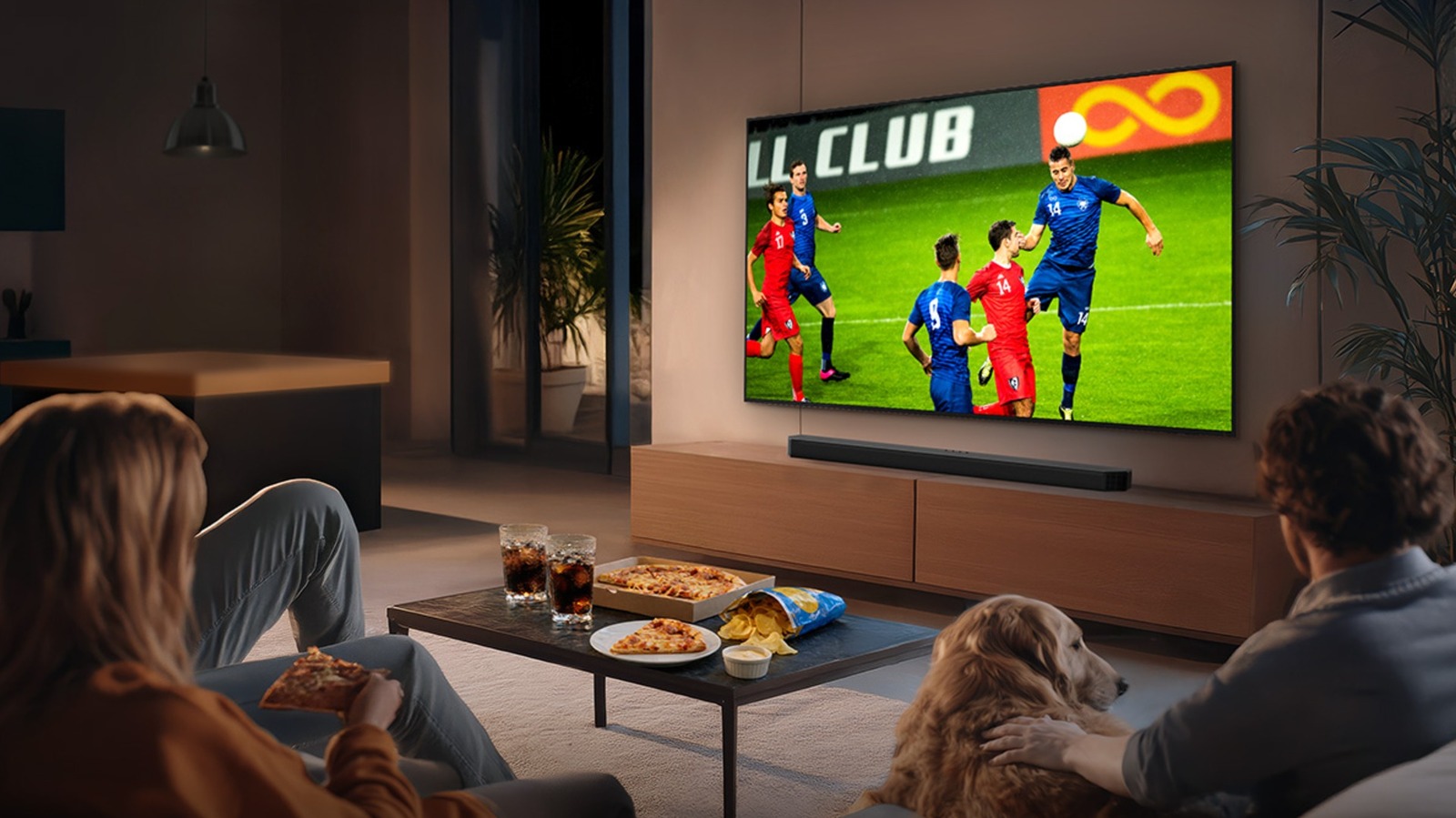

Recently, Samsung announced its newest range of television sets, which includes the Samsung Mini LED and Samsung Neo QLED 4K. QLEDs (short for Quantum Dot LEDs) utilize tiny particles to produce light, resulting in greater brightness and efficiency compared to OLED displays.
Samsung offers two distinct models of its latest QLED TVs: the QN80H and the QN70H. The former is available in 55, 65, 75, 85, and 100-inch sizes, while the latter provides 43, 50, 55, 65, 75, and 85-inch options. The QN70H is the more cost-effective choice of the two, with prices ranging from $599.99 to $2,299.99, whereas the QN80H starts at $1,299.99 and can go as high as $5,499.99. No matter how much you spend, purchasing one means acquiring a product from one of the top smart TV brands in terms of customer satisfaction, and Samsung has introduced numerous new features that may help it retain that reputation. Below is a list of what we consider the most exciting new functionalities in Samsung’s 2026 QLED TVs.
AI-augmented visuals
All of Samsung’s 2026 QLED TVs are powered by the NQ4 AI Processor, with the more advanced model employing the Gen2 version of this chip. As its name indicates, this component incorporates AI functions aimed at enhancing your viewing experience. Many systems work behind the scenes to achieve this.
One standout feature of the Neo QLED 4K is its AI optimization system. This program enhances the picture quality in real time. Watching an older film that predates HD and even SD technology? The TV will automatically upgrade the visuals to HDR and even 4K-like quality.
Not every video setting suits every type of program or film. You wouldn’t desire to watch a horror movie with brightness levels meant for sports, right? Samsung’s QLED TVs also cater to this with their AI Customization Mode. Simply adjust the video settings to your preference (as is standard with any smart TV), and the AI software will automatically switch between various presets based on what you’re viewing. Samsung even created a mode specifically for soccer matches.
AI-driven audio
Visuals comprise only half of the entertainment experience. Without quality sound control, you might as well be viewing a silent film. Numerous built-in TV settings can modify how you perceive audio, but Samsung’s QLED sound technology goes several steps further.
Similar to visuals, the Neo QLED’s processor enhances audio in real time. The AI identifies when dialogue is being overshadowed by other effects and boosts the sound mixing so you can clearly hear what the actors are saying. You can also utilize integrated microphones to instruct the AI on how to adjust different audio settings. The TVs can modify the levels of certain effects to amplify their impact in various room configurations and layouts.
Samsung’s 2026 Neo QLED TVs also retain several features from earlier models, including out-of-the-box Dolby Atmos and Object Tracking Sound Lite, which delivers a 3D audio experience without requiring multiple speakers. Explosions on the left side of the screen will now emanate from the leftmost speakers. Plus, we can’t overlook Live Translate, which will come with additional language support. Now you won’t miss out on your favorite foreign dramas just because translators haven’t released a localization yet.
Other AI capabilities
The Neo QLED’s AI functionalities go beyond just optimizing visuals and sound. The TVs also come with Samsung AI Vision Companion, a digital assistant powered by Bixby — Samsung’s proprietary AI software, which is also found in devices like the Samsung Galaxy S26. Without this tool, you wouldn’t be able to control the smart TV’s audio and video-enhancing AI using your voice.
The Samsung AI Vision Companion also integrates with the Neo QLED’s revamped Generative Wallpaper functionality. In previous Samsung smart TVs, this feature allowed you to create personalized wallpapers for your setup, but with the Neo QLED 2026 lineup, you can simply tell the TV what you desire.
As Samsung promises seven years of updates for these new QLED TVs, the company subtly suggests that the Neo QLED’s AI features may receive enhanced and expanded capability in the future. You might even eventually gain access to new AI-driven features that aren’t currently ready for launch.
The new and improved One UI Tizen
While Samsung smart TVs typically receive favorable reviews regarding hardware, their software has left much to be wanted. Tizen, Samsung’s smart TV operating system built on Linux, is considered one of the least favorable smart TV operating systems by users. This could change with the 2026 QLED TVs.