

“Computah? Make these figures flamboyantly queer and eager.” By Chase DiBenedetto on April 17, 2026.
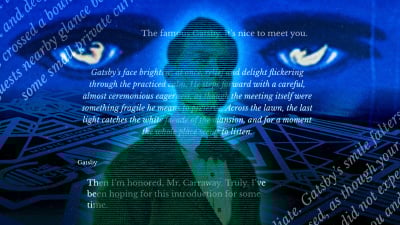
“Don’t read books. Play them,” promotes Character.AI, showcasing its new simulation feature: Books. In the midst of a literacy crisis, Character.AI introduces a twist on classic narratives – The Great Gatsby, Alice’s Adventures in Wonderland, Pride & Prejudice, and Frankenstein – letting users morph into these characters, alter their tales, or even create entirely new realms within them. Users can now fully immerse in digital storytelling, utilizing AI to transform timeless stories. The platform allows for multimedia roleplay, enabling the upload of user-generated characters and collaborative creations, while also navigating legal woes regarding chatbot safety. Character.AI assures its Books feature targets users over 18, enforcing strict content moderation. In pursuit of revamping F. Scott Fitzgerald’s The Great Gatsby, users can indulge in generating romantic arcs between characters like Nick Carraway and Jay Gatsby.
The endeavor explores the AI’s capability to decode and represent nuanced character interactions and challenging dialogues. AI offers the possibility of crafting unique interpretations and fanfic-like narratives. Despite encountering some obstacles in true narrative expression, users can experiment with alternate universes and genres within classic literary frameworks. Ultimately, this highlights AI’s role in the current literary landscape, demonstrating both technological enchantment and its boundaries in replicating human creativity. The feature echoes the longstanding tradition of fan fiction, offering a commercial spin on creative reinterpretation. Critical analysis of AI in creative writing reveals stylistic gaps and originality struggles, emphasizing the irreplaceable value of human authorship in storytelling.