
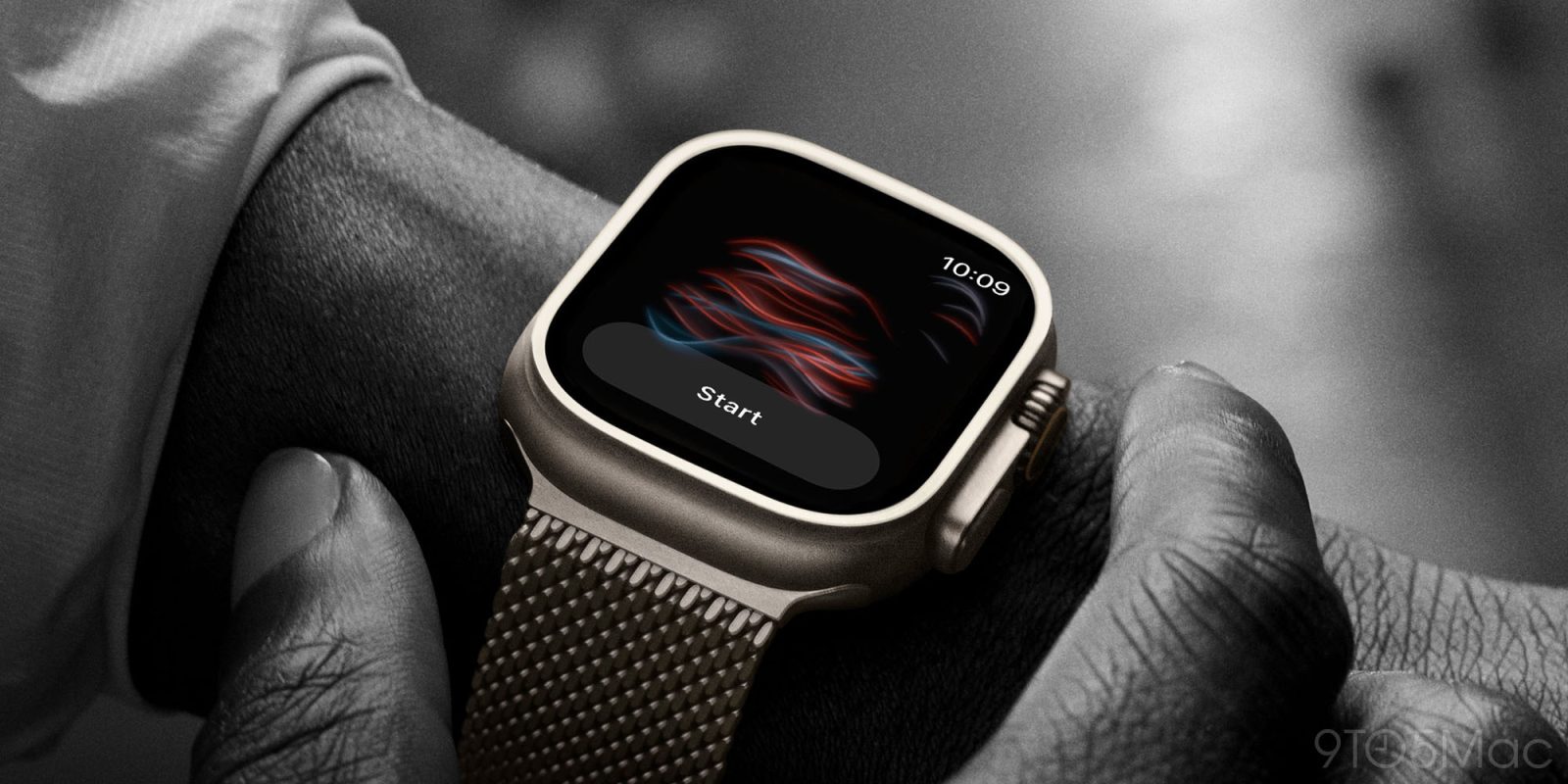

Apple has recently secured a major win in its protracted legal battle with Masimo, a company specializing in health technology, over patents related to the blood oxygen monitoring feature of the Apple Watch. This article outlines the circumstances surrounding the dispute.
### Background of the Dispute
The clash between Apple and Masimo has persisted for several years, focusing on the blood oxygen sensor technology embedded in the Apple Watch. Following a series of legal rulings and appeals, Apple was forced to disable this feature on Apple Watches marketed in the United States to circumvent a ban. In response, Apple engineered a revamped version of the feature that transferred most processing to the iPhone, using data gathered from the Apple Watch.
The International Trade Commission (ITC) concluded that this redesign permitted Apple to recommence sales of the Apple Watch models featuring blood oxygen monitoring in the U.S., determining that it did not infringe Masimo’s patents. Nevertheless, Masimo disputed this finding, claiming that Apple’s redesign still contravened the existing exclusion order and contested U.S. Customs and Border Protection’s endorsement of the updated watches.
### Recent Developments
Two significant decisions emerged from this protracted legal confrontation:
1. An ITC Administrative Law Judge, Monica Bhattacharyya, ruled that Apple’s revamped blood oxygen feature does not violate Masimo’s patents.
2. The Federal Circuit upheld the ITC’s initial exclusion order, affirming that the original version of the blood oxygen feature remains prohibited in the United States.
The concluding step in this process was for the entire ITC Commission to decide whether to review the Administrative Law Judge’s no-infringement ruling.
### ITC’s Decision
On March 30, 2026, the ITC opted not to revisit the prior ruling, effectively concluding the case and dismissing Masimo’s plea to reinstate the Apple Watch import ban. The ruling validated that the redesigned products do not infringe the asserted patents, enabling Apple to persist in providing the blood oxygen feature to its consumers.
In a statement, Apple expressed appreciation for the ITC’s ruling, underscoring its dedication to safeguarding its innovations. The company highlighted its commitment to delivering premium products and services, including health features such as the ECG app and notifications for hypertension and irregular rhythms.
### Conclusion
While Apple revels in this legal triumph, Masimo still retains the ability to appeal the decision. This case illustrates the intricacies of patent legislation in the technology sector and the ongoing rivalry between companies in the health technology domain. As Apple progresses in innovating and broadening its health-related features, the ramifications of this legal dispute will have enduring impacts for both corporations and their clientele.