

# Tim Cook Passes the Torch to John Ternus: A New Era for Apple
Apple CEO Tim Cook is slated to resign from his position on September 1, 2026, passing the leadership to John Ternus, who has been officially designated as the new CEO. Though Cook will step down from the CEO role, he will transition to the position of board executive chairman, where he is anticipated to stay actively engaged in Apple’s global activities and government relations.
## A Legacy of Leadership
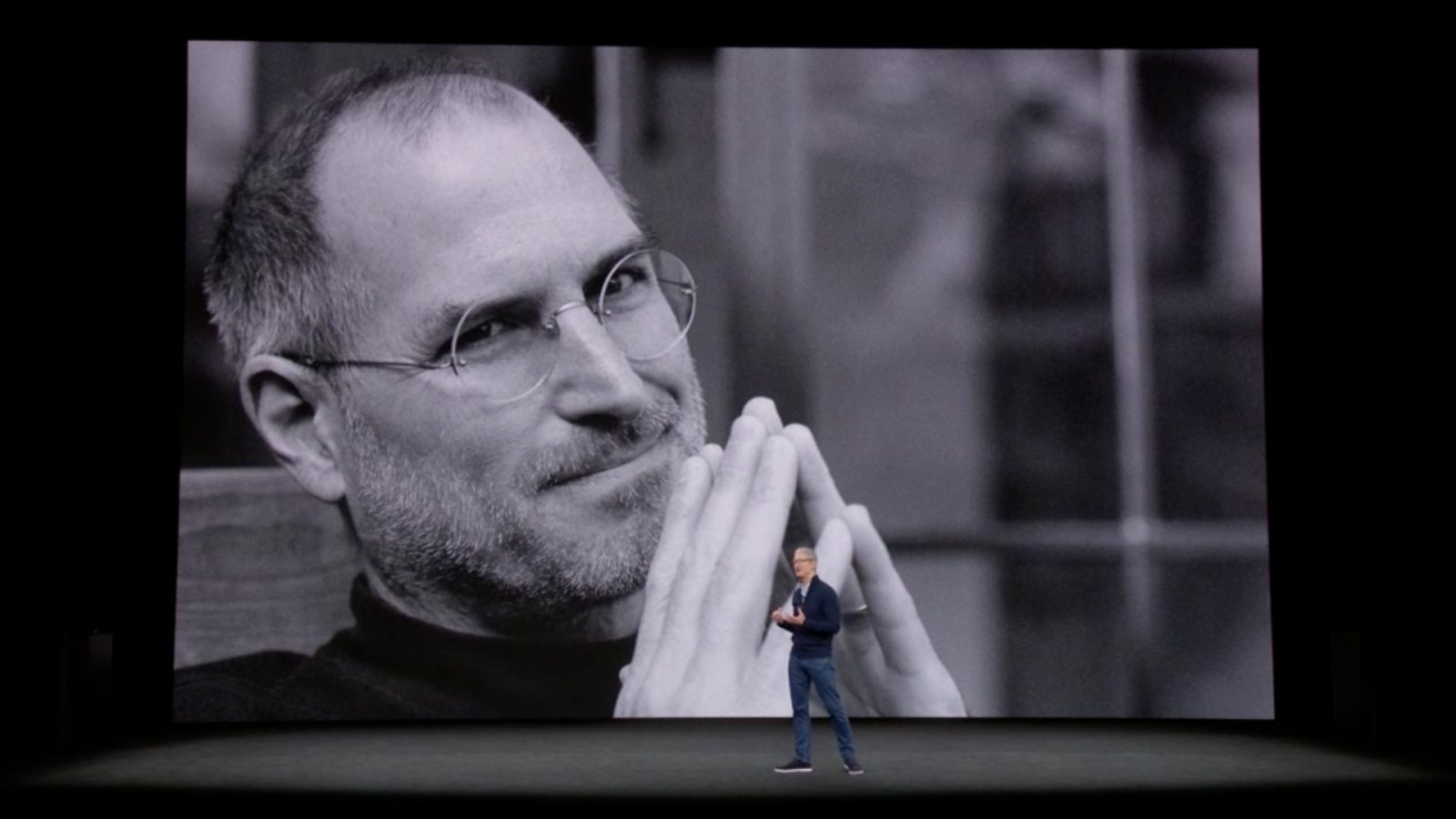
Tim Cook’s time as CEO has been characterized by remarkable growth and evolution for Apple. During his tenure, the company’s market capitalization skyrocketed from $350 billion to an impressive $4 trillion over nearly 15 years. This extraordinary achievement reflects Cook’s strategic foresight and operational proficiency. However, his journey commenced under difficult circumstances, following the loss of his mentor and Apple’s co-founder, Steve Jobs.
Cook took the helm of a grieving company, responsible for preserving the innovative ethos that Jobs had fostered. His leadership during this phase was vital, as he not only had to manage the intricate dynamics of leading a tech behemoth but also deal with the personal grief of losing a dear friend and mentor.
## The Transition from Jobs to Cook
The shift from Steve Jobs to Tim Cook was distinctive and poignant. Jobs’ resignation letter to the Apple Board, dated August 24, 2011, conveyed his profound affection for the organization and his faith in Cook as his successor. In his correspondence, Jobs declared, “I strongly recommend that we execute our succession plan and name Tim Cook as CEO of Apple.” This endorsement was crucial, as it carved a clear pathway for leadership continuity during a turbulent period.
Cook officially assumed the role of CEO, but merely 42 days later, he was confronted with the devastating news of Jobs’ demise. In a message to Apple employees, Cook expressed deep sorrow, stating, “Apple has lost a visionary and creative genius, and the world has lost an amazing human being.” This moment signified a crucial turning point for Cook, as he had to honor Jobs’ legacy while guiding Apple into a new era.
## Cook’s Impact on Apple
Tim Cook’s management style is defined by an emphasis on operational efficiency, supply chain optimization, and a dedication to social responsibility. He has played a key role in broadening Apple’s product offerings, including the launch of new services and technologies that have kept the company at the forefront of the technology sector. Cook’s focus on privacy, sustainability, and inclusivity has also transformed Apple’s corporate persona.
As Cook prepares to pass the torch to John Ternus, he leaves a legacy of innovation and resilience. Ternus, who has been at Apple for more than two decades and has held the position of Senior Vice President of Hardware Engineering, is well-equipped to guide the company into its forthcoming chapter.
## Looking Ahead
The transition to Ternus as CEO marks a new phase for Apple, one that will likely emphasize further innovation and adaptation in an ever-changing technological landscape. While the challenges ahead may differ from those Cook encountered following Jobs’ passing, the confidence and trust that Cook has placed in Ternus echo the feelings Jobs expressed when he appointed Cook as his successor.
As Apple continues to grow and evolve, the leadership transition from Tim Cook to John Ternus signifies a notable moment in the company’s history, reminding us of the lasting influence of visionary leadership and the significance of legacy in shaping the future.