

Fans still have feedback for the event.
By Samantha Mangino on April 22, 2026.
BookCon was a literary haven. A string ensemble greeted attendees at the Javits Center, reminiscent of a scene from Bridgerton. Exhibits from major to indie publishers filled the show floor, with attendees eager for advanced copies. Lines wrapped city blocks before opening.
Despite long lines, camaraderie thrived. HarperCollins signings drew crowds, yet attendees remained respectful and collaborative. The return to NYC followed a six-year pause, during which BookTok boosted print sales. Romance and fantasy fandoms were vibrant.
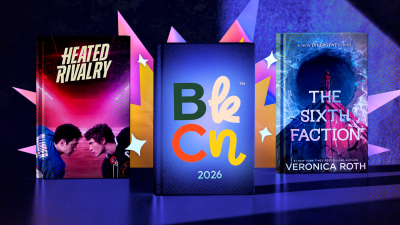
In recent months, books thrived, notably Rachel Reid’s Heated Rivalry, spurred by its HBO Max adaptation. BookCon’s opening panel with Reid and Jacob Tierney packed 3,000 fans, akin to a Marvel’s Avengers panel. Reid remarked on the rarity of author recognition.
BookCon celebrated unabashed book joy, uniting fans and authors alike. Attendees sported Heated Rivalry jerseys and gear for favorite authors like Andy Weir and Sarah J. Maas. Many sought free books, arriving with foldable shopping carts for their haul.
The two-day event was a whirlwind; I couldn’t cover it all. With next year’s event ahead, these are my observations.
Amazon was notably absent. The largest book retailer was overshadowed by others like Barnes & Noble, Greenlight Books, and The Ripped Bodice. Thrift Books sponsored the main stage. Audible, Amazon’s subsidiary, hosted an exhibit. The focus felt anti-Amazon, highlighting independent bookstores.
Print books dominated. Despite covering e-readers, I found attendees reading physical books, and Rakuten Kobo was the sole e-reader exhibitor, showcasing devices like Kobo Clara and Kobo Remote. The event celebrated the joy of print.
Fans have mixed thoughts on BookCon’s future. Instagram comments noted long lines and reservation issues. Crowds eased by Sunday, enhancing enjoyment. Feedback included praise on the BookCon subreddit. After six years, perfection was unrealistic. With 2027 dates set, ReedPop has a year to incorporate feedback.