

The Japanese director of *Small, Slow But Steady* and *Two Seasons, Two Strangers* discusses with *The Verge* how he explores existential themes through subtle character portrayals.
Acclaimed Japanese director Sho Miyake has arrived in the U.S. with two feature films: *Small, Slow But Steady* and *Two Seasons, Two Strangers*, naturalistic portraits dealing with the complex human desire for connection. Miyake’s films often explore themes of seclusion and discomfort. “I like characters that have a sense of discomfort that slowly starts to distance them from society,” he says.
*Small, Slow But Steady* premiered at New Directors/New Films in New York. It tells the story of a deaf boxer, Keiko (Yukino Kishii), who is navigating her career after a major win, while dealing with her trainer’s declining health.
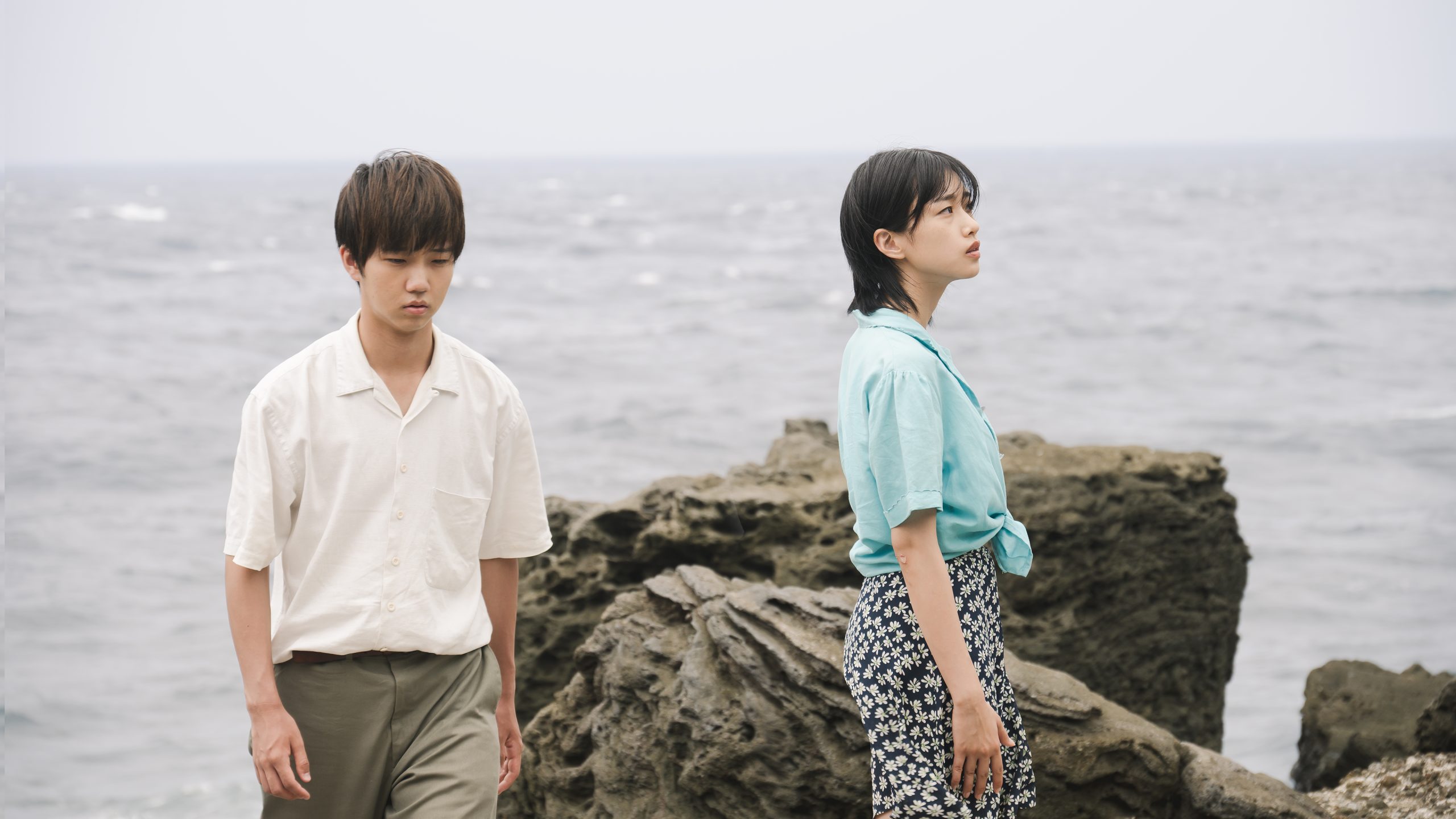
*Two Seasons, Two Strangers* introduces its own set of challenges. It follows Li (Shim Eun-kyung), a screenwriter, as she writes at her desk amidst stories of connection and isolation drawn from Yoshiharu Tsuge’s *A View of the Seaside* and *Mr. Ben and His Igloo*. The film recently won the Golden Leopard at the Locarno Film Festival for its innovative structure.
The Verge interviewed Sho Miyake before the US release of *Two Seasons, Two Strangers*. *Small, Slow But Steady* is available on-demand. Through a translator, Miyake addressed existential questions and commented on AI.
*This interview has been edited for clarity.*
**You mentioned in a Nowness Asia interview that you like clumsy yet honest characters. Why is that?**
I find myself to be too slick, often dishonest with myself. Clumsy but honest characters are aspirational for me.
**When reflecting on *Small, Slow But Steady*, any lessons learned?**
One lesson is akin to the film’s title, representing my approach to filmmaking. Change is gradual and impacts the world and art similarly. Each scene, though seemingly insignificant, contributes to a greater whole.
**There is a moment in *Small, Slow But Steady* showing gym dust. It seemed relaxed.**
That’s a favorite shot of mine. It highlights the importance of acknowledging easily overlooked elements, showing beauty in simplicity.
**Your latest film, *Two Seasons, Two Strangers*, starts with a scriptwriting scene. What’s your ideal writing environment?**
A quiet desk for writing, but inspiration often strikes while walking through pleasant streets.
**Why explore existential questions in your work?**
From childhood, I’ve been curious about our existence—not out of depression, just curiosity. Change the question to creative endeavors, and it becomes a positive exploration of why we create and live.
**Your film is both personal and narrative-driven. Were directors like Hong Sangsoo and Ryusuke Hamaguchi influential?**
They are important, but Buster Keaton’s *Sherlock Jr.* was the primary inspiration, exploring cinema’s relationship with life.
**Your characters face low stakes with high emotional weight. Is this continued in your next project?**
The next film shifts focus to a protagonist acting for others, exploring community and altruism.
**Your last two films were shot on film. But is *Two Seasons, Two Strangers* digital?**
Yes, it’s digital due to technical and thematic reasons. Shooting in tough conditions required digital, and the stillness of digital complements manga adaptation, giving life to static images.
**How do you view technology and AI in your work?**
I don’t consider it at all.