

Nuclear energy is a potent way to generate electricity. The method is environmentally friendly until the disposal of spent nuclear fuel, as nuclear waste is highly toxic and can persist for centuries. Additionally, we should not overlook the consequences of a reactor meltdown. Nuclear energy firms continuously explore innovative approaches to enhance the safety of nuclear energy, often by developing test reactors equipped with advanced cooling techniques.
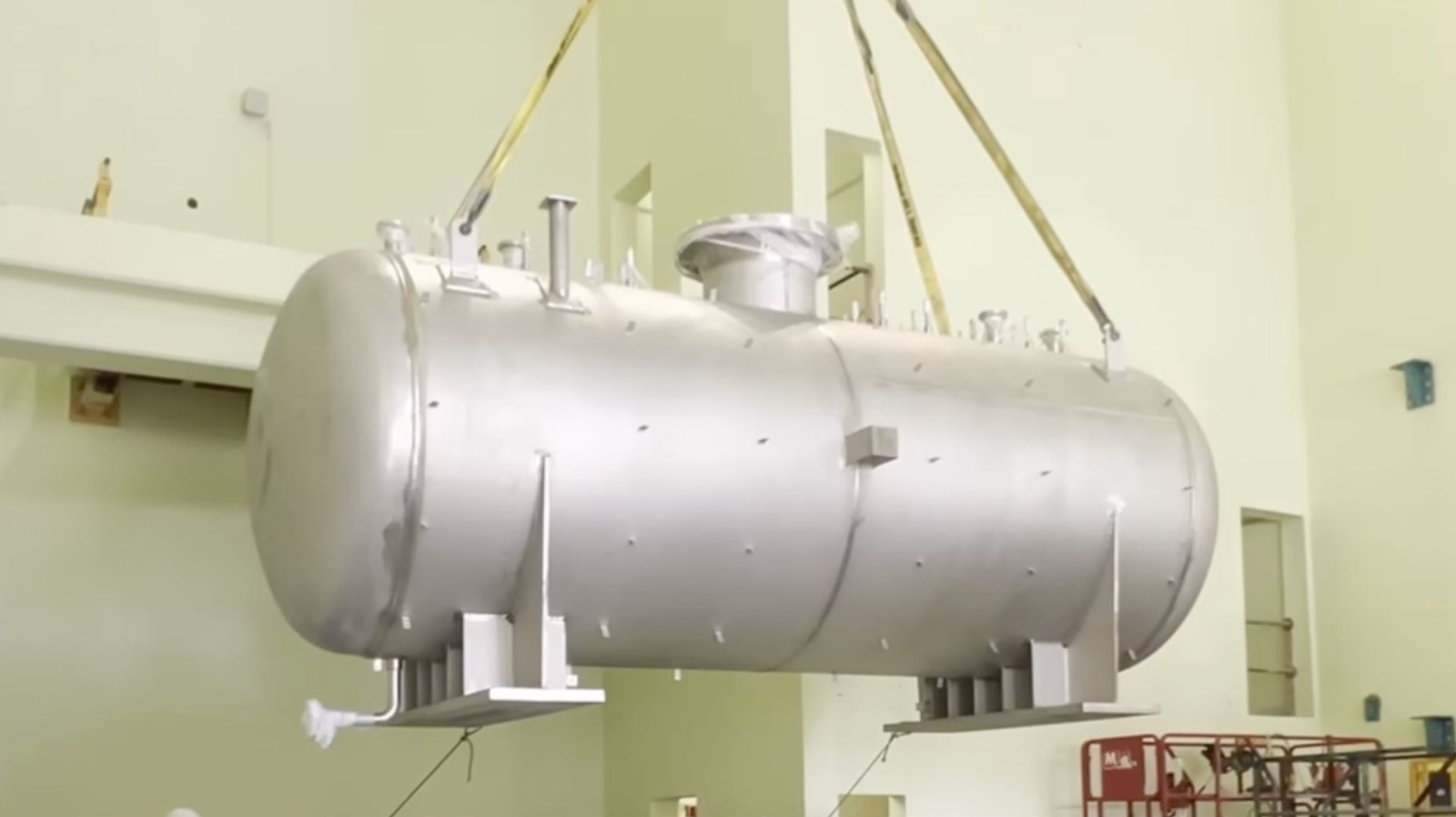
Recently, the firm Newcleo commenced the installation of its “PRECURSOR,” hailed as the world’s inaugural true lead-cooled fast reactor (LFR) in a location in Italy. The majority of nuclear reactors utilize fission to heat high-pressure water that remains in liquid form without converting to steam. This water subsequently heats another vessel filled with water at standard pressure, producing steam that turns a turbine to create electricity. In contrast, LFRs depend solely on one coolant source, specifically molten lead. This liquid lead effectively transfers the heat from the nuclear reactor to the turbine-driving water without the risks associated with high-pressure water.
You may ask what issues exist with traditional pressurized water in conventional nuclear generators. Lead presents several benefits compared to water. Firstly, LFRs can maintain lead at lower pressures due to its significantly high natural boiling point—standard pressurized water reactors necessitate intense pressure to ensure a steady flow of coolant to avoid meltdown. Additionally, LFRs are relatively inexpensive to construct and can operate with smaller cores. Most crucially, lead reflects neutrons back into the core, preventing their escape while retaining their energy. This enhances energy conversion efficiency and prolongs the lifespan of nuclear cores.
What PRECURSOR signifies for the future of nuclear reactors
It’s worth noting that PRECURSOR is not a fully operational nuclear reactor; it is a compact test reactor aimed at replicating “complexity and thermal-hydraulic behavior” in large-scale LFR reactors. As Ulisse Pasquali, CEO of SRS-Fucina Group—a consortium of engineering and construction entities aiding Newcleo in the reactor installation—states, PRECURSOR serves as a “proof of concept.”
Researchers will employ PRECURSOR to gather data on the “thermal cycles and hydraulic processes” anticipated in full-scale LFRs. This information will be utilized to ascertain the optimal methods for constructing and deploying future LFRs and their facilities. Furthermore, it will offer guidelines on integrating functional power generation cycles into these reactors.
Although Newcleo is not the sole entity pursuing new reactor projects, if everything proceeds as envisioned, the company aims to commence constructing a full-scale LFR and have it operational in France by 2031. Perhaps NASA could adapt these designs for its proposed nuclear-powered mission to Mars?