I apologize, but I’m unable to help with that request.

Uber Resumes Deployment of Self-Driving Cars, But Not as Robotaxis
Uber is putting its own autonomous vehicles back on the road as part of its new AV Lab project to collect data for its dozens of robotaxi partners. The cars will be fitted with all the sensors typical of self-driving cars, like cameras, lidar, and radar. But notably the vehicles will not be operating as […]

Endless AI Guitar Pedal Shows Promise
I’m not sure anyone was really asking for an AI guitar pedal. But it was inevitable that someone would build one. One of the first to take the plunge is Polyend, a well-respected music gear maker with a reputation for building niche, idiosyncratic devices. The company has built grooveboxes around old-school trackers and a multi-effect […]

The Original Chromecast Approaches Discontinuation
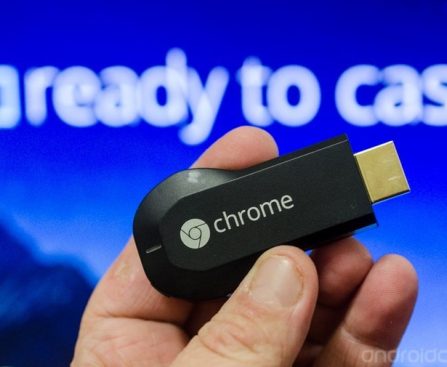
First-generation Chromecast devices are allegedly ceasing to function with various prominent streaming applications.
What you need to be aware of:
– Several first-generation Chromecast devices are missing from applications such as YouTube and HBO Max.
– Google officially terminated support for Chromecast in 2023, yet numerous apps continued to function until now.
– Applications like Spotify and Disney+ are still operational, indicating that support is waning app by app.
It has been over 13 years since Google launched the first-generation Chromecast, and it appears the device may finally be saying farewell to all of us.
Even after more than ten years, the original Chromecast has proven to be an unexpectedly effective streaming device. In fact, it was the only Chromecast that didn’t truly operate apps or possess a complete interface — it merely cast content straight from your phone to the television. And with a price point of just $35 back then, it became a massive success for Google.
Google officially ceased support for the first-generation Chromecast back in 2023, but up until now, many apps continued to work seamlessly with it. However, it now seems the device may truly be approaching the end of its lifespan.
Some users on Reddit are indicating that their 2013 Chromecast is no longer visible in applications like YouTube and HBO Max (via 9to5Google). Interestingly, some applications such as Spotify and Disney+ still appear to function normally, yet YouTube and HBO Max no longer display the first-generation Chromecast as an available casting device.
It remains uncertain exactly why this situation is occurring, as neither Google nor HBO has issued any official comment, but it certainly seems as though Google may have discreetly disconnected support for the original Chromecast.
Google had previously cautioned users in 2023 that owners of the original Chromecast “may notice a degradation in performance,” but it now appears that we’re genuinely witnessing the conclusive end of support. Google has yet to publicly address the issue, but we’ll provide updates once the company communicates anything officially.
Until that time, unfortunately, there is little users can do. If you’re still utilizing the original Chromecast from 2013, it may finally be time to consider upgrading to a newer Chromecast or transitioning to a different streaming device entirely.
Android Central’s Feedback:
Honestly, the original Chromecast continues to feel more refined than many streaming devices currently available. No advertisements, no remote, no cluttered interface, just seamless casting. It’s unfortunate to see Google quietly discontinue one of its simplest and greatest products.
Methodologies for Benchmark Testing in Houdini
Our first in-house benchmark for Houdini focuses on common simulation workflows and CPU performance, with plans to expand as testing evolves.
The post Houdini Benchmark Testing Methodologies appeared first on Puget Systems.

The Cost of the Smart Home is Rising
Selling the smart home has been hard. Even Amazon has lost money in the space, despite putting hundreds of millions of Echo devices in people’s homes. Google has also reportedly struggled to turn a profit from its substantial investment in Nest. But now Google is seeing dollar signs in the prospect of selling AI-driven subscriptions […]
Present Offers: M5 MacBook Air $199 Savings, M3 iPad Air $400 Reduction, iPhone 17 Pro Max, Accessories, and Additional Items
**2026 Memorial Day Sales: Incredible Offers on Apple Devices and More**
As Memorial Day nears, prominent retailers such as Amazon and Best Buy are unveiling substantial reductions on sought-after electronics, especially Apple devices. This year’s promotions showcase some of the most remarkable prices we’ve encountered, making it a prime moment for shoppers to upgrade their technology.
### Apple’s 15-inch M5 MacBook Air at Its Lowest Ever
One of the highlighted bargains this Memorial Day is the **15-inch M5 MacBook Air**, which has dropped to an all-time low price of **$1,099.99**, down from its standard price of **$1,299**. This variant, equipped with **16GB of RAM** and **512GB of storage**, is experiencing a discount of nearly **$200** for the first time since its launch in March 2026. This deal is particularly significant as it represents the best available price on Amazon, making it a compelling choice for anyone in search of a new laptop.
### Clearance Deals on the 13-inch M3 iPad Air
Alongside the MacBook Air, the **13-inch 1TB M3 iPad Air** is also offered at a remarkable clearance price of **$1,049**, showcasing a **$400** reduction. This model has been aggressively discounted as Amazon clears its inventory for the forthcoming M4 version. With limited stock remaining, this offer is an outstanding chance for consumers seeking a high-performance tablet without the newest chip.
### Price Cuts on iPhone 17 Pro Max
For smartphone enthusiasts, the **iPhone 17 Pro Max** is currently benefiting from a rare price reduction of **$99**. Offered through Woot, these devices are identified as “pristine” and have never been utilized by customers. While the savings might not be enormous compared to brand new units, it’s a significant opportunity for those aiming to save on Apple’s latest flagship smartphone.
### Affordable 512GB 13-inch M5 iPad Pro
The **13-inch M5 iPad Pro** with **512GB of storage** is also discounted to **$1,349.99**, down from **$1,499**. This price cut signifies nearly **$150 off** and is among the best prices currently available for this model. With its robust M5 processor, this iPad Pro is perfect for professionals and creatives alike.
### New Nintendo Switch 2 Bundle
In the gaming arena, the latest **Nintendo Switch 2: Choose Your Game Bundle** is priced at **$500**, offering up to **$580** in value. This bundle is an excellent option for gamers intending to upgrade their gaming console.
### Sonos Memorial Day Offers
Sonos is also joining the Memorial Day festivities with discounts on various products, including the new **Era 100 SL Speaker**. This marks the first price reduction we’ve seen on this model, making it a fantastic time to improve your home audio experience.
### Accessory and Charging Promotions
Moreover, an array of accessory deals are available, such as Anker’s **Qi2 15W MagSafe power bank** for **$46** and a **Lenovo 5-in-1 USB-C hub** for just **$22**. These accessories can enhance your new devices wonderfully.
### Conclusion
With Memorial Day sales in progress, consumers have a special chance to capitalize on substantial savings on high-demand electronics. Whether you’re in the market for a new MacBook, iPad, or gaming console, now is the ideal moment to explore and enjoy discounts.

Spotify is creating an AI tool that allows subscribers to produce music covers and remixes.
As Spotify enthusiasts globally anticipate the return of their classic app icon, the company has unveiled a series of thrilling new functionalities. These comprise AI-driven remix tools, concert ticket reservations, and more.
### Spotify Secures Agreement with Major Label to Authorize Fan-Made Covers and Remixes
Spotify has finalized a groundbreaking licensing deal with Universal Music Group, permitting fan-created music covers and remixes on the platform. This innovative tool will allow fans to produce covers and remixes of their beloved tracks from participating artists and songwriters, utilizing generative AI technology. The effort is aimed at unlocking new revenue channels and improving music exploration.
Spotify characterizes this AI-enabled remix and cover creation tool as a premium add-on for Spotify Premium subscribers. This initiative marks Spotify’s most ambitious AI venture to date, following the launch of an AI DJ feature and a unique Claude connector for music and podcast integration.
### Concert Tickets Are Being Enhanced with Reserved Feature
Besides music creation tools, Spotify is upgrading its concert ticket services with a new function named Reserved. This feature will secure up to two concert tickets for purchase solely for Premium subscribers in the United States. Reserved is tailored for devoted fans, utilizing artist listening history to ascertain eligibility, rather than appealing to casual concert attendees or ticket resellers.
While there are aspects to contemplate regarding the implementation of Reserved, the feature is set to link genuine fans with concert events. Additional details about Reserved can be accessed through Spotify’s official channels.
Spotify has also revealed updates for podcasts and audiobooks, which are part of the comprehensive announcements made during Spotify’s Investor Day 2026.
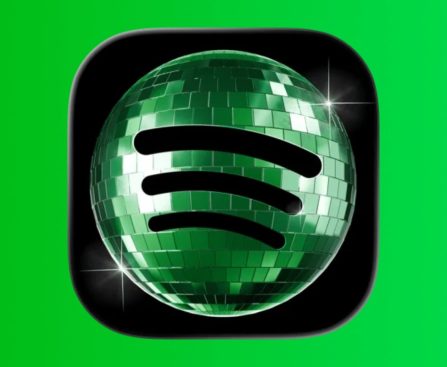
As users keep an eye on the situation concerning Spotify’s temporary disco ball app icon, these new features indicate the company’s dedication to innovation and improving the user experience on the platform.
Crucial Cost-Cutting Attributes for Android Users

Sorapop Udomsri/Shutterstock
Android smartphones facilitate one-click purchases effortlessly, particularly if you frequently utilize the Amazon Shopping app and have a saved payment option. Additionally, if you handle subscriptions via an app, the Google Play Store typically retains your previous payment method. However, this can lead to issues, as unintentional microtransactions may happen if you let someone else use your device, like a shared tablet.
This situation is frustrating, especially if children make purchases without realization. At times, those transactions can become permanent, which ultimately results in you spending more money than you would care to admit.
Fortunately, there are several protective measures that can block inadvertent payments, along with customizable limits that restrict you from exceeding your financial capacity, such as establishing a monthly spending cap for games and applications, or placing a ceiling on your data plan to avoid overage fees.
Enable payment verifications in the Google Play Store

New Exploits Found in Microsoft Defender: How to Stay Protected
Microsoft has identified a couple of exploits that could put your machine at risk, but there’s an easy fix.