

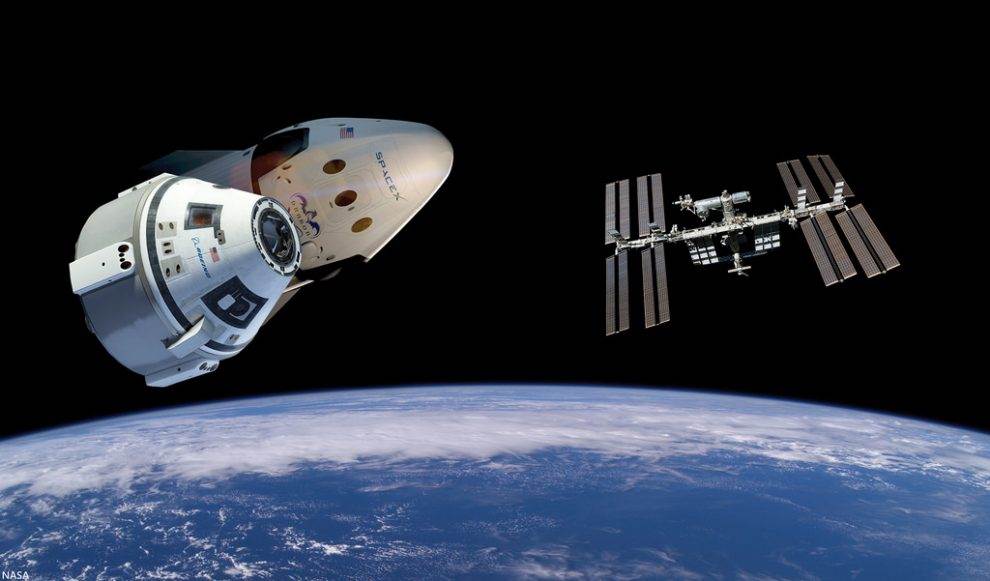
stranded on the ISS for nine months, a significant deviation from the initial two weeks they were intended to remain onboard.
The source of the problem was those very helium leaks that NASA had nearly dismissed during previous evaluations. Although leaks in space are concerning, it is the nature of these leaks that rendered them catastrophic. While NASA minimized the issues in general, the Starliner debacle was, in reality, much more severe than presented, leaving both astronauts uncertain about the Boeing Starliner spacecraft’s capacity to return to Earth safely, due to the loss of four out of its 28 essential reaction control thrusters.
Four missing thrusters might not seem like a significant number, but with even one additional thruster failure, the astronauts would have lost all ability to manage the spacecraft’s movement. This is an especially perilous scenario when nearing a dynamic space station in orbit around the Earth — particularly one inhabited by a crew. To exacerbate the situation, NASA did not inform the astronauts about the full extent of the circumstances promptly, raising further concerns among participants of a recent safety panel investigating the matter.