
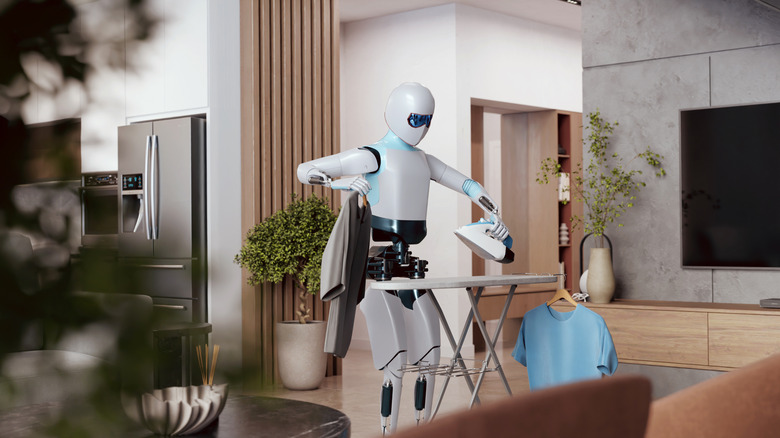

Humanoid robots were a prevalent focus at CES 2026, with numerous companies highlighting their latest innovations in robotics and AI, notably those from South Korean firms Hyundai and LG. However, many other humanoid robot manufacturers are working on such designs with intentions to introduce commercial versions for applications ranging from industrial work to home assistance. To achieve this, robot developers must initially train the robots to effectively execute repetitive tasks, such as folding laundry, cleaning tables, and transporting items. China stands out as a region where these training programs are well established, with robot schools actively instructing humanoid robots in their tasks.
A report from the Korean website Chosun Biz elaborated on several of these projects, coinciding with the Spring Festival gala, an event during which Chinese manufacturers displayed some advanced features of their humanoid robots. Various regions in the country have facilities focused on training humanoid robots by engaging them in specific tasks, like repeatedly folding garments. The report references a robot school in Shandong where humanoids are assigned duties such as folding laundry, carrying trays, and fetching water bottles from shelves. Similarly, a center in Hubei province trains up to 100 robots simultaneously in activities including folding clothes, ironing, and cleaning tables.