Quartz), Wi-Fi was a label created by advertisers because the actual designation — IEEE 802.11 — was too long to fit on the sticker. When individuals inquired about the meaning of Wi-Fi, they were told it stood for “wireless fidelity,” a complete fabrication designed to perpetuate the illusion that Wi-Fi was a legitimate name.
A simple way to grasp this is to visualize your internet service as the water supply entering your home. Wi-Fi acts as the plumbing that delivers that water to various rooms. Mobile data is the costly bottled water you purchase while traveling. Each serves distinct functions, yet fundamentally, they are different technologies.
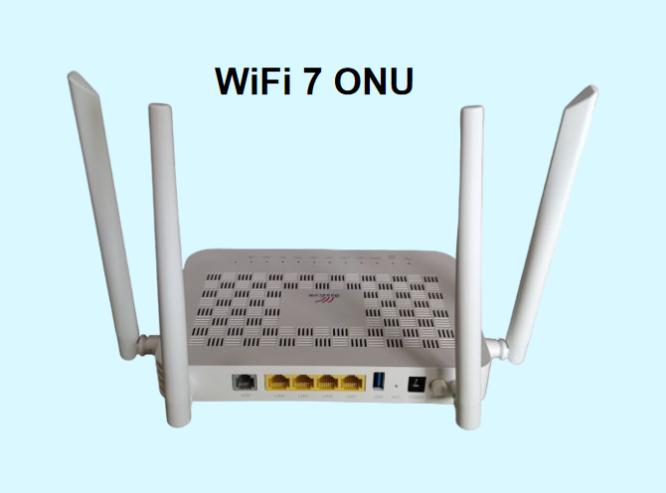
Wi-Fi requires two essential components to operate: a direct internet connection from an ISP (typically cable, fiber, or another broadband connection) and a router that transmits the signal to all adjacent Wi-Fi-enabled devices. The coverage area isn’t extensive, reaching approximately 150 feet (46 meters) indoors and up to 300 feet (90 meters) outdoors. Within that range, Wi-Fi is quicker than cellular data, which is why even those with unlimited data plans prefer using Wi-Fi at home. It’s simply more dependable and significantly cheaper.
The IEEE states that Wi-Fi first emerged in 199
