
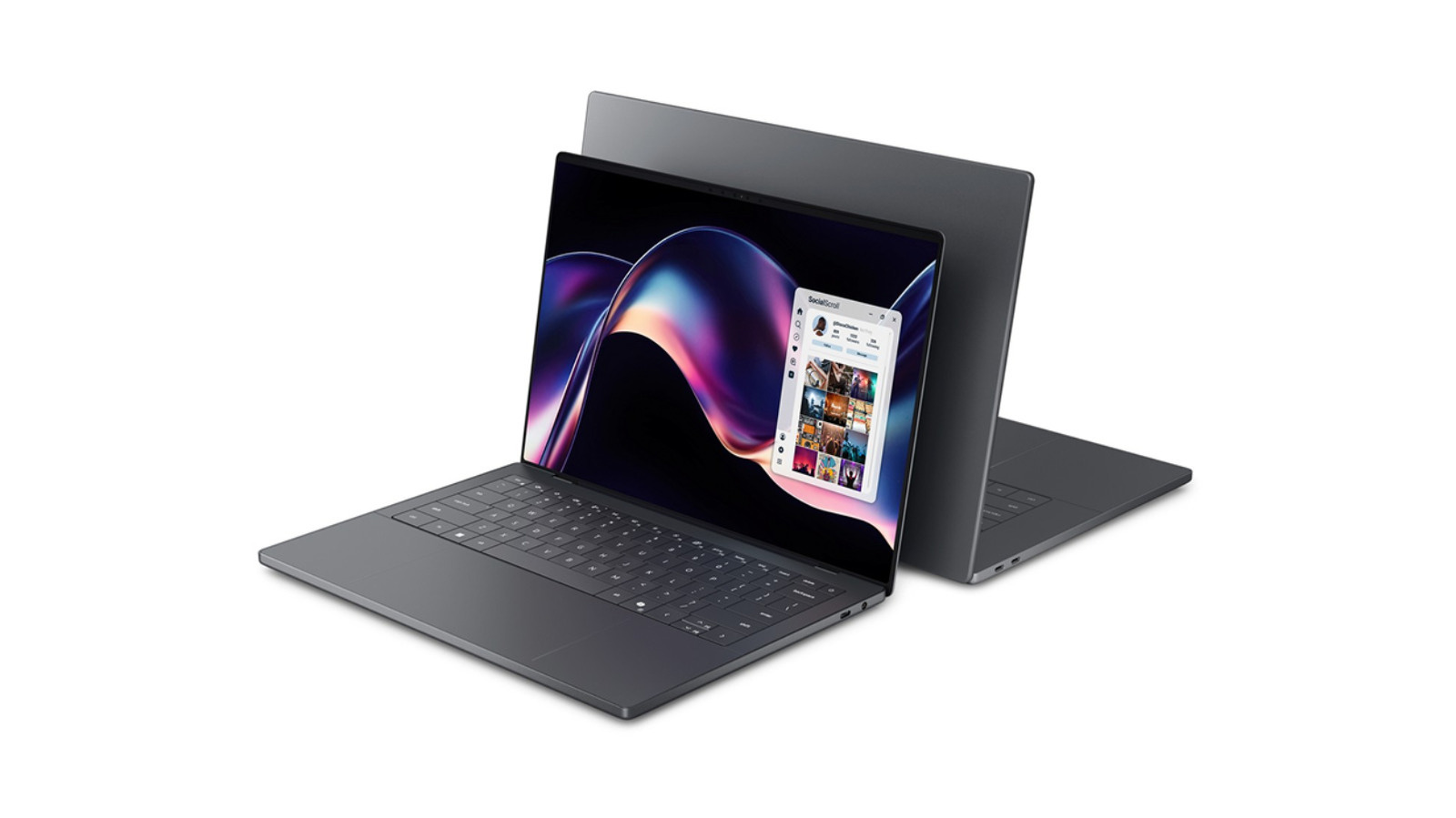

In January 2026, Dell revealed the comeback of its renowned XPS laptop series at the Consumer Electronics Show (CES). This announcement follows Dell’s discontinuation of the XPS series and the rebranding of its entire PC lineup last year. The company introduced two XPS models, a 14-inch and a 16-inch version, with intentions to launch a 13-inch model in the future.
In its declaration, the company highlights the various features of the new XPS series, emphasizing swift performance and the impressive battery life the new models will offer. A significant factor contributing to Dell’s claim of robust battery life in the new XPS series is the innovative display being utilized. The latest XPS series features a unique LCD panel that integrates LG Display’s Oxide 1 Hz technology.
Although the XPS series was announced in January, LG Display has recently stated that it has commenced the world’s first large-scale production of its new LCD displays. This new display supports a variable refresh rate, ranging from a minimal 1Hz to a maximum of 120Hz. It is designed to intelligently modify the refresh rate depending on the type of activity being carried out. Both the new XPS 14 and 16 come with a 2K display powered by the same technology, boasting a brightness level of 500 nits.
The new display enhances battery longevity across the XPS series.
According to Dell, the new XPS series offers the “best battery life in the industry” with up to 31 hours of display time. While it’s advisable to be cautious about accepting a company’s claims at face value, particularly regarding battery life predictions, one fact is certain—the new 120Hz LCD display significantly contributes to prolonging the XPS series on a single charge. Indeed, LG Display asserts that the panel enables “48% more usage on a single charge compared to current solutions” by merely adjusting the screen’s refresh rate according to usage patterns.
For instance, when viewing sports content on your XPS laptop, the refresh rate will increase to 120Hz to minimize flickering and ensure a smooth viewing experience. Conversely, it will decrease the refresh rate to as low as 1Hz during activities that do not require a higher refresh rate, such as browsing the web or handling spreadsheets in Excel. However, various display technologies come with their advantages and disadvantages. Thus, LG Display intends to start mass production of a 1Hz OLED panel that incorporates the same automatic refresh rate adjustment technology in 2027.