

Igor Alecsander/Getty Images
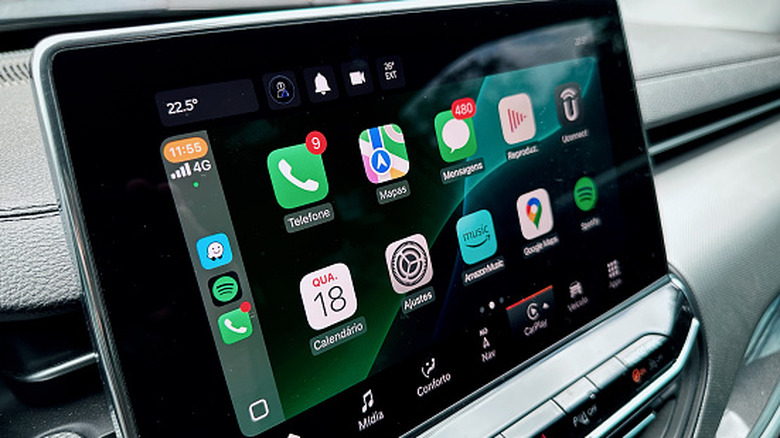
CarPlay and Android Auto represent the leading platforms for drivers wishing to merge their mobile devices with their cars. Unlike smartphones operating on either Android or iOS, vehicle owners typically receive infotainment systems compatible with both CarPlay and Android Auto. Indeed, it has nearly become the norm that if a car accommodates one of these systems, it will likely also accommodate the other. This feature is appreciated by both drivers and passengers, as there may be a necessity to connect different phone types to the car audio system throughout the vehicle’s lifespan. Nonetheless, while majority of automobile manufacturers provide both options, there are exceptions. It’s advisable to inquire at the time of purchasing a new vehicle instead of assuming it will come equipped with both functionalities.
CarPlay has existed since 2014, when Apple collaborated with Kia and Ferrari to integrate this technology into select Soul and FF models. Google launched Android Auto in 2015, although widespread acceptance of both services did not occur until several years later. The influx of vehicles featuring CarPlay notably surged around 2016, with Android Auto following closely behind. Now, almost a decade after these infotainment systems gained traction among consumers and manufacturers, it seems unusual for a company to decline offering these features. After all, even brands that previously indicated they would never integrate CarPlay, like Tesla, are now reportedly considering to deliver this functionality to users in future software updates…but not Android Auto.