

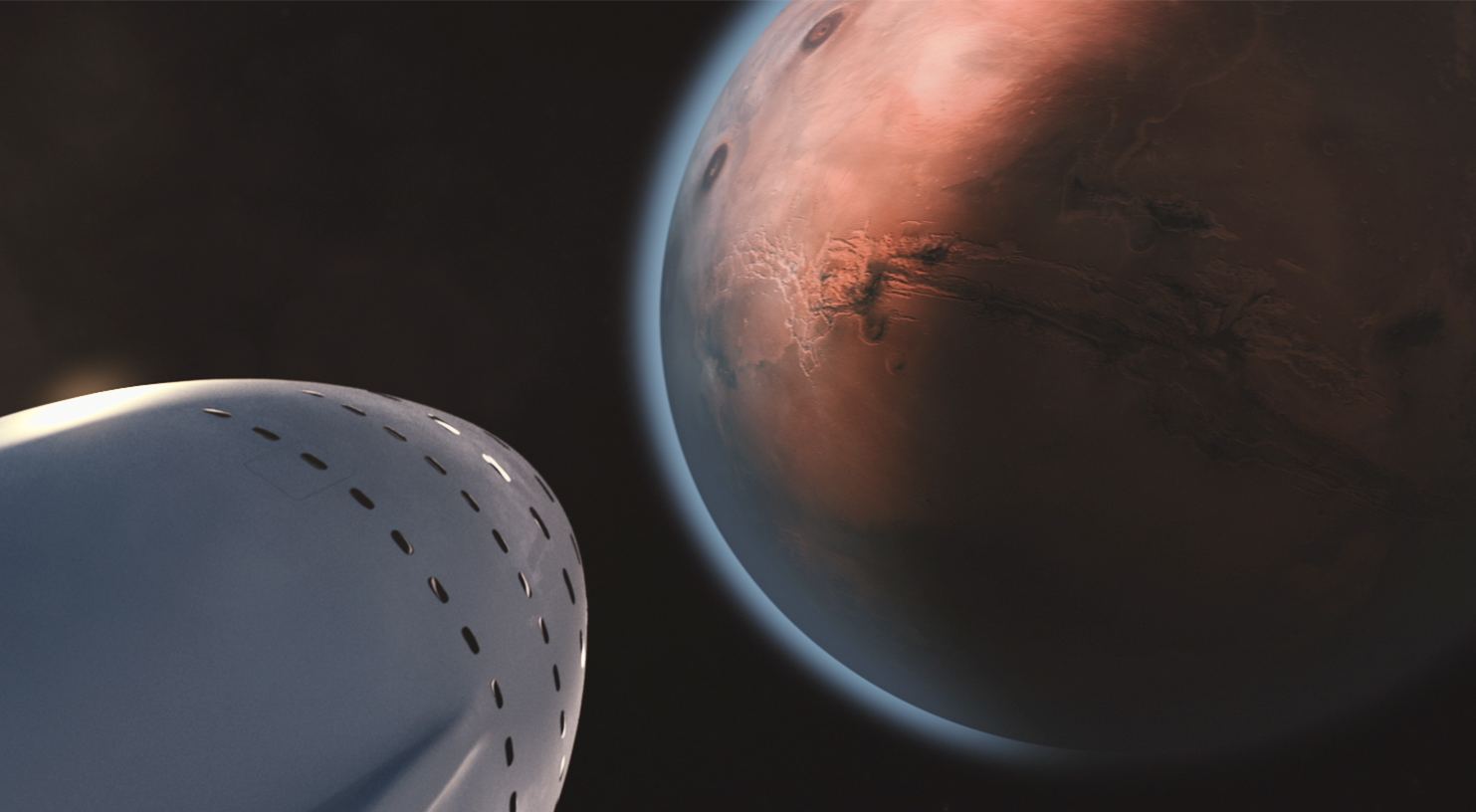
the most esteemed private enterprises globally), he embarked on this journey with the aspiration of establishing colonies on Mars. A grand ambition, primarily because we’ve largely only dispatched rovers to capture images of Mars. Nevertheless, Musk now intends for SpaceX to pivot and focus on colonizing the moon. This notable change in objectives appeared unexpectedly and contrasts with previous intentions; in early 2025, he asserted on Twitter/X that the moon was merely “a distraction.”
On February 8, 2026, Musk took to Twitter/X to announce that SpaceX had “redirected its focus” to developing a “self-sustaining city” on the moon. These benchmarks were purportedly revised because establishing a lunar colony would be more expedient. According to Musk’s calculations, a city on the moon would require around 10 years to construct, while a city on Mars would demand twice as long. This also considers the timing of launches and travel durations — Musk asserts that reaching Mars takes six months, with launches occurring every 26 months, while lunar voyages take two days and can be launched every 10 days. However, NASA estimates that journeys to Mars actually span between seven to 10 months. Regardless, this alteration in course appears considerably more feasible, allowing us to conclude that SpaceX is aiming for the moon — in a more literal context.