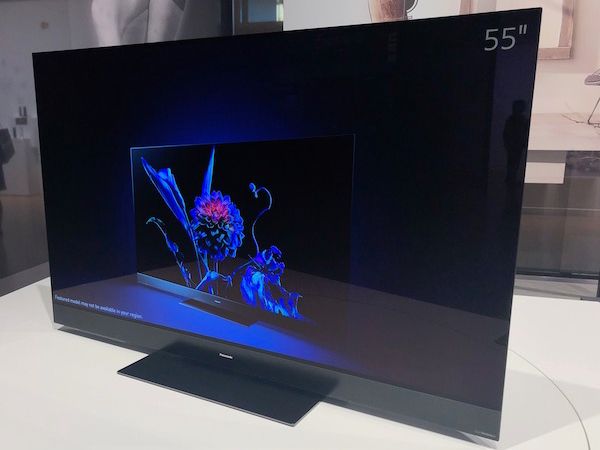
other kinds of displays like LCD.
There are additional aspects that impact your television’s lifespan that go beyond the screen itself. To make your TV endure longer, it’s wise to select a brand renowned for reliability, along with a model that isn’t infamous for breakdowns. While this doesn’t ensure longevity, certain TV models have anecdotal indications of elevated failure rates. It’s also crucial to be cautious of the burn-in issue with OLED screens, which can be activated by leaving them displaying the same image for extended durations. By taking these two factors into account, you can gauge how long your particular TV may last.
[embedded content]
It’s likely that potential customers are anxious about the infamous burn-in effect concerning their premium OLED screens. What does burn-in mean? In layman’s terms, this occurrence refers to the tendency of OLED displays to retain residual images from content that has been unattended on-screen for prolonged periods. OLED stands for “organic, light-emitting diodes,” meaning each pixel emits its light. Thus, if any pixel is compelled to remain lit at the same brightness and color for an excessive duration, it could lead to this effect, effectively “freezing” an image on the display.
Numerous reviewers claim that contemporary OLED
