

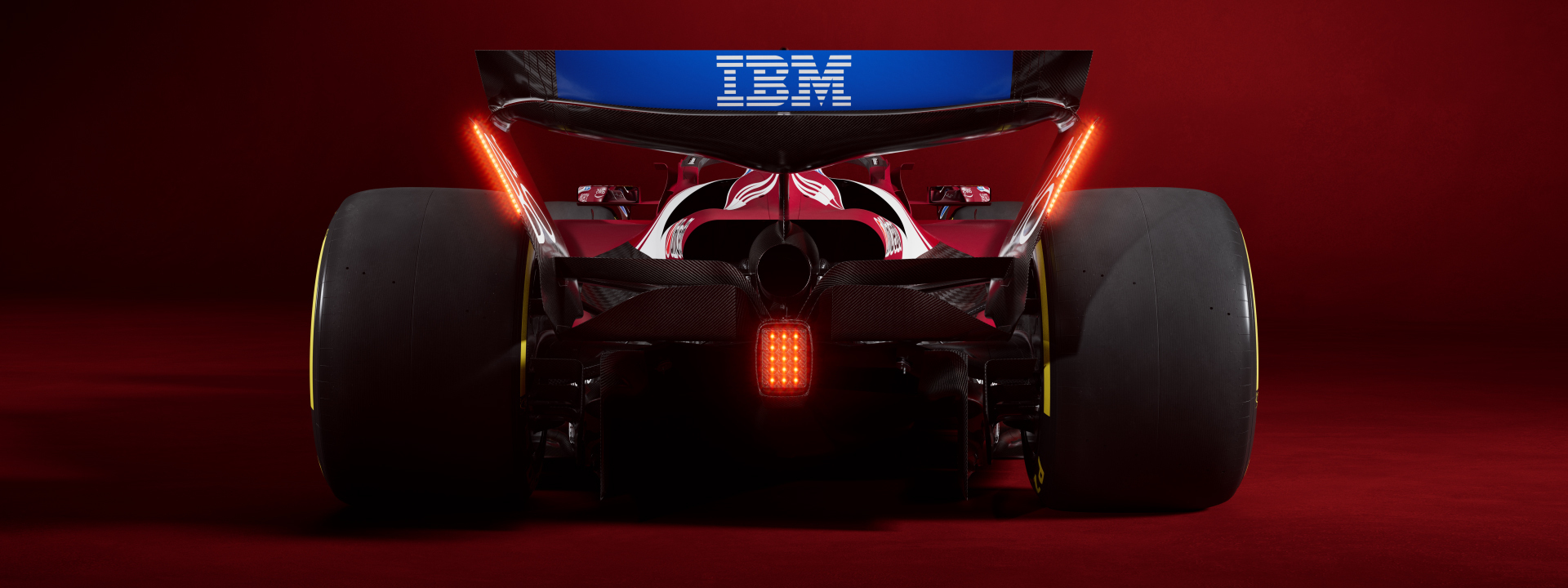
Formula 1 (F1) vehicles are instantly identifiable due to their distinct shapes, crafted to enable them to outpace even the swiftest (and priciest) supercars available commercially. F1 cars are characterized by their elongated, low-to-the-ground silhouette, featuring a single seat in their open cockpits along with “wings” at both the front and rear. Yet, continual advancements in technology and evolving regulations introduce various new elements that modify the appearance and performance of the vehicles. A recent example includes the rotating rear wing found on Ferrari’s SF-26.
The official F1 YouTube channel has shared a clip of Lewis Hamilton operating the SF-26 during a preseason training session in Bahrain for 2026. Within the video, the car’s upper rear wing is clearly shown rotating a complete 180 degrees to become “upside-down.” F1’s technical analyst, Sam Collins, notes that this mechanism aids in generating lift while decreasing drag, similarly to an aircraft’s wing. Theoretically, this design is expected to enhance the SF-26’s speed on straightaways, enabling it to surpass competitors at 220 mph or greater. When navigating turns, the rear wing reverts to its standard position, preventing the driver from figuratively (or literally) exiting the track.
Ferrari is adhering to the regulations’ exact wording, rather than the underlying intent.
In the video, Collins asserts that Ferrari is the first F1 contender to implement such an innovative mechanism, prompting inquiries as to why this was not attempted earlier. The response is rooted in recent regulatory changes. In January 2026, the F1 website released an overview of the latest regulations and their implications for car aerodynamics. A significant aspect is the new movable “active aero” components in the front wings. When activated, these features minimize drag and downforce, whereas when deactivated, they increase drag and downforce. However, as Collins highlighted, the regulations do not “specify that the wing must be positioned upright when the active aero is engaged.” Ferrari is simply taking advantage of a loophole in the language of the regulations to optimize drag reduction consistently.
Although Ferrari devised a system that can flip the upper rear wing upside down and revert it instantaneously, the concept of employing an inverted wing for drag reduction was not originally theirs. According to Collins, a Formula 3000 team experimented with an inverted rear wing during a race at Monza. The goal was identical: to minimize drag as much as possible. The vehicle did not claim victory, but it provided an impressive display. However, the governing body for the races prohibited this practice, and it has not been attempted again until now, owing to F1’s new regulations.
Only time will determine if additional teams incorporate rotating rear wings into their cars or if Ferrari integrates them into future commercial models like the Ferrari Luce.