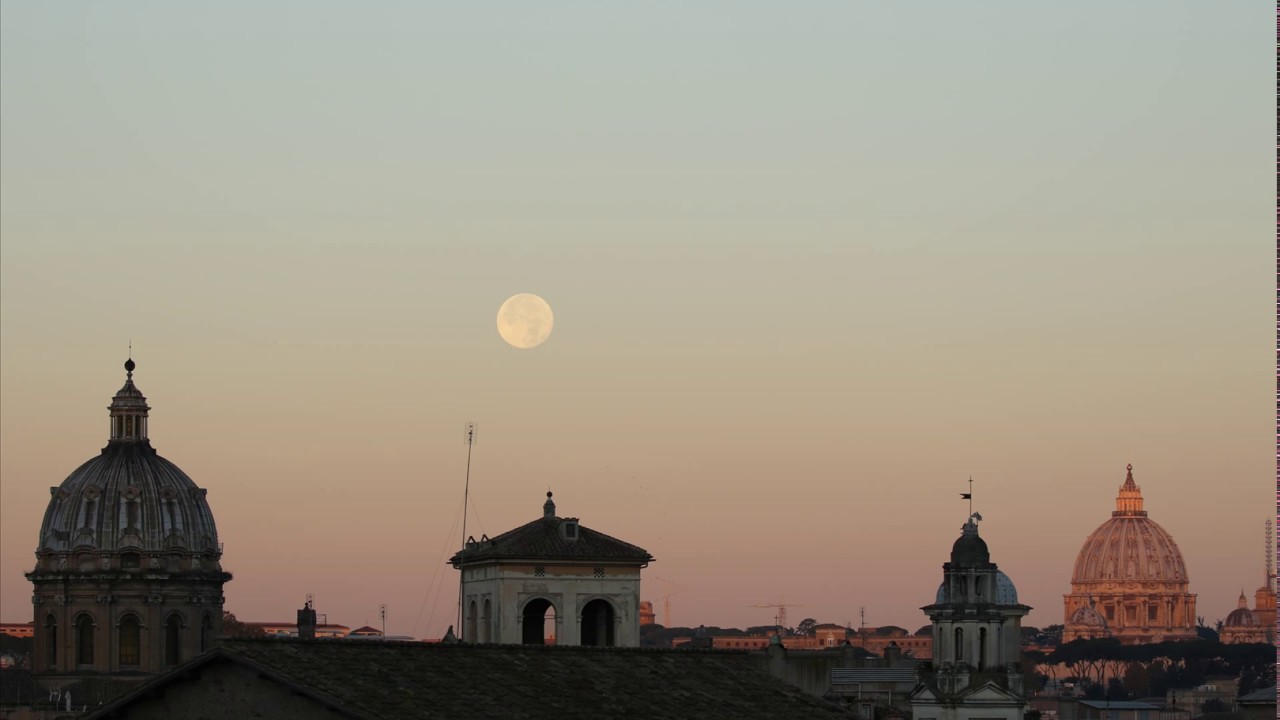
A supermoon is a breathtaking lunar spectacle that graces the sky every few months, and it’s among my top natural wonders. In basic terms, a supermoon occurs when the full moon aligns with its nearest position to Earth in its orbit — a phase known to astronomers as perigee. During this event, the moon can present itself up to 14% bigger and 30% brighter than when it’s at its farthest distance (apogee). To the unaided eye, that variation may not seem significant, but it’s sufficient to make the moon look incredibly vivid against the night sky. Supermoons are not particularly uncommon, yet they are still events to look out for. They usually attract photographers, stargazers, and anyone who enjoys witnessing the universe at its most vibrant.
Depending on your location, they can even transform your nighttime scenery to resemble daylight. Supermoons emit a natural luminosity that’s perfect for a quick photo opportunity or an evening stroll. Astronomers generally categorize several full moons each year as “super,” but just one or two are particularly close to Earth. While they do not induce remarkable physical effects, they act as a reminder of how dynamic and vibrant our solar system truly is. Therefore, the next time you hear about a supermoon brightening the sky, it’s not merely sensationalism; it’s the cosmos offering you a front-row view to one of the most brilliant lunar displays.
The optimal way to experience a supermoon does not necessitate a special telescope (the James Webb Space Telescope would be excessive) or any specific equipment. You simply need to be in a place with clear skies at the right moment. Since a supermoon is fundamentally a full moon at its closest point to Earth, it rises around sunset and sets around sunrise, providing ample time to appreciate the lunar spectacle. The prime moment to observe a supermoon is just after moonrise, when it is still low on the horizon. That’s when the “moon illusion” comes into play, making it appear even larger and more striking as it floats just above the landscape. If you’re aiming to capture a photo, seek out a location without light pollution hindering the skies, like a park, a beach, or a hill on the outskirts of the city. I reside in the Los Angeles area and enjoy venturing to the desert to photograph the supermoon. The darker your environment, the more radiant and sharp the moon will seem.
You can utilize a smartphone camera, but switch to night mode or employ a tripod to prevent motion blur for optimal results. If you have binoculars or a zoom lens, you’ll be able to see surface features like craters and the lunar maria (the darker plains) up close. The weather significantly influences the ability to view a supermoon. Check your local forecast or an astronomy application for viewing conditions, as even a thin veil of clouds can diminish the effect. If you want to delve deeper, set up an Astroberry server with an extra Raspberry Pi. Ultimately, witnessing a supermoon is all about timing and patience. When everything comes together, it ranks as one of my favorite awe-inspiring celestial events you can easily observe from your backyard. The next supermoon will rise on December 4th, so prepare yourself!
