

Smith Collection/gado/Getty Images
When it comes to securing data, it may seem improbable that a collection of lights could contribute — particularly retro-style lava lamps from the ’70s. However, the reality is quite the contrary. Cloudflare, the prominent infrastructure firm that supports vast sections of the internet, utilizes 100 lava lamps to facilitate SSL encryption. The fundamental element crucial for secure encryption is randomness. The encryption “key” serves to unlock the data for protected systems, enabling it to be accessed. By maintaining randomness in keys, hackers remain in the dark, thwarting unauthorized access to the systems or data that encryption safeguards. This parallels the workings of encrypted messaging platforms, excluding the trippy ambiance.
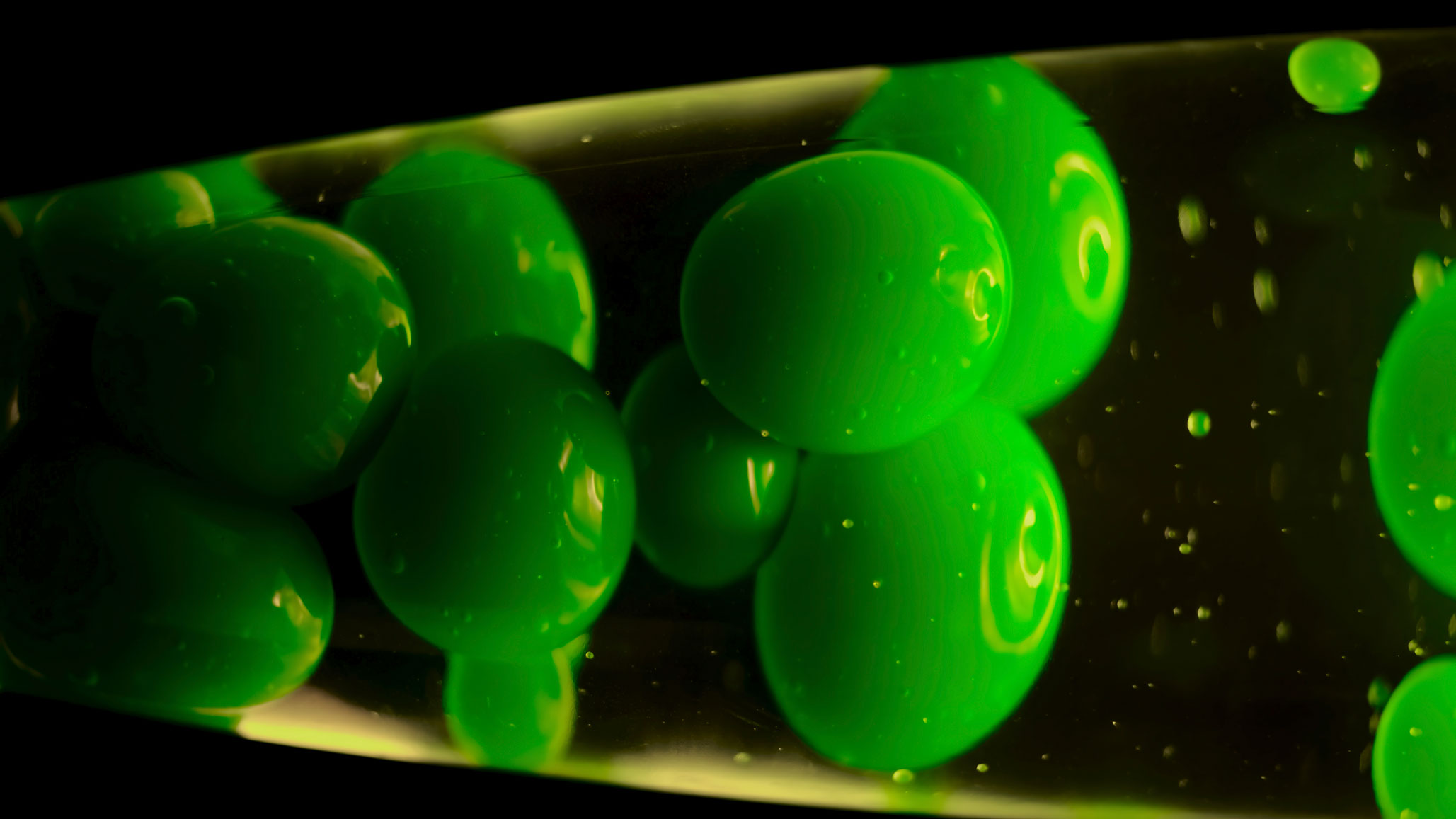
These lava lamps aid in the generation of those keys. According to Cloudflare, “To generate the unpredictable, chaotic data vital for robust encryption, a computer demands a random data source.” Lava lamps are considered “consistently random” because their internal patterns are never replicated. The gooey lava perpetually twists, adapts, and floats, so an arrangement of 100 of them offers the most supreme “chaotic” data.
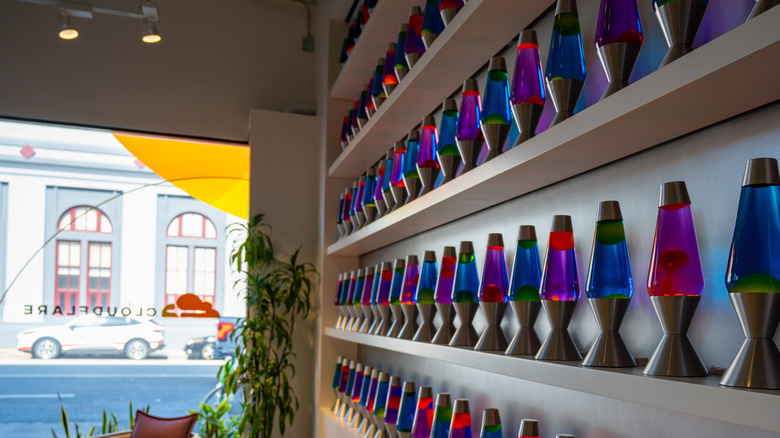
For this to function, 100 lava lamps are arranged sequentially on a solitary wall at Cloudflare’s headquarters. A camera routinely captures images of these lamps, documenting the random shapes forming within, and subsequently transmits the pictures to Cloudflare servers. As images are merely data, recorded by computers as a series of numbers — where each pixel corresponds to a unique numerical value — this also enables the team to utilize the “strings” to formulate an encryption key. Quite clever, isn’t it? Given that Cloudflare secures around 20% of the entire internet, including significant sites such as Apple, X (Twitter), Discord, Zoom, and many more, this effectively positions lava lamps as a vital component of the internet’s functionality.
What if someone interrupts the picture or stands in front of the lava lamps?
The overall concept of the lava lamp wall is to generate “entropy,” which can be interpreted as chaos or disarray. However, in the realm of cryptography, entropy plays a crucial role in fostering unpredictability, which is essential for secure encryption keys and encryption at large. Thus, increased randomness is advantageous. Additionally, as the visual representation is converted into a string, everything captured by the image contributes to that randomness, encompassing any individuals moving across the wall or disrupting the photos.
As Cloudflare illustrates, “obstructions become part