

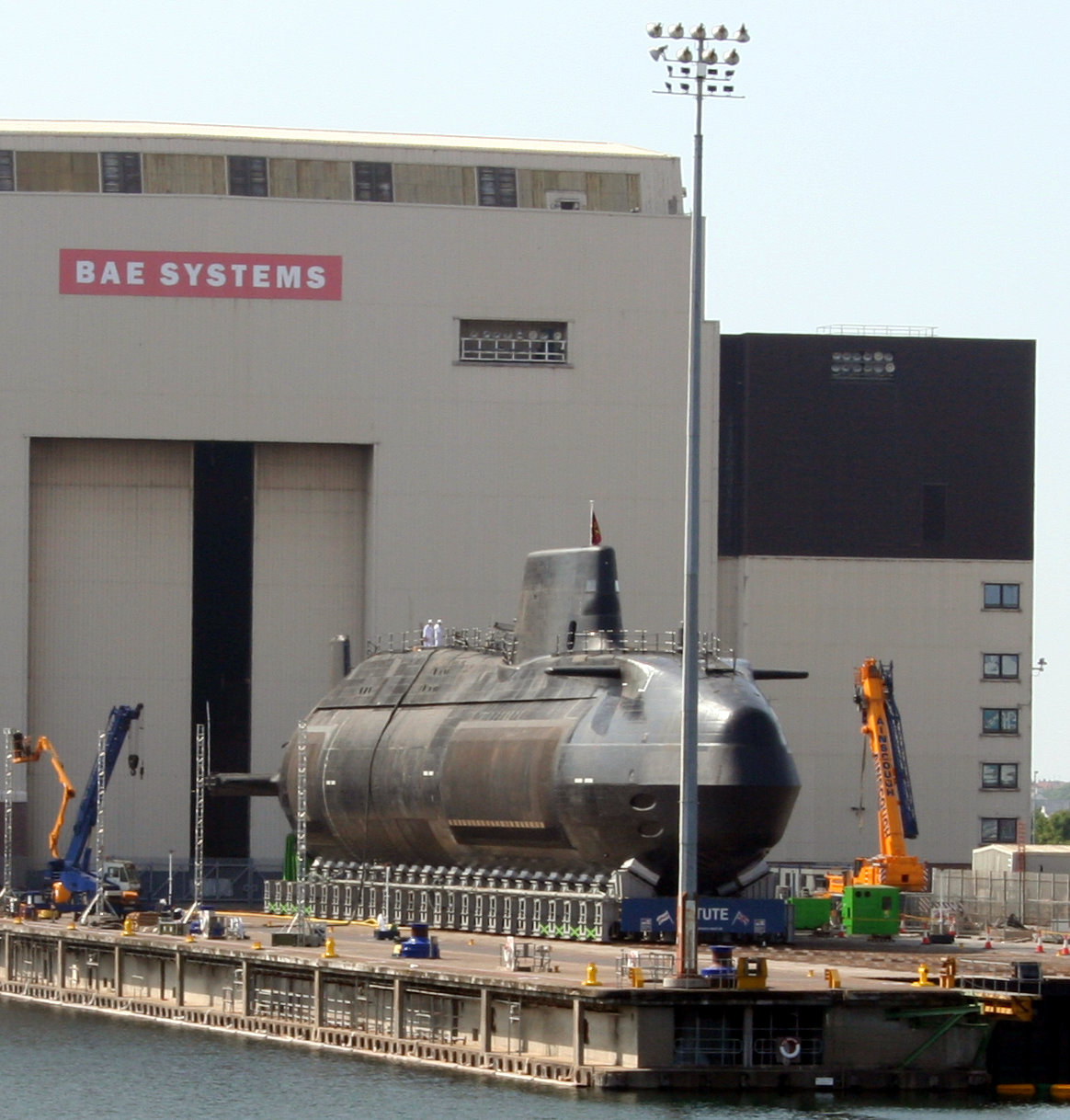
aircraft carriers can operate for years without needing a refuel. A small quantity of nuclear fuel allows a submarine to function underwater at high speeds for an unlimited duration. The nuclear reactor onboard produces heat that powers a steam turbine, which in turn drives the submarine’s propeller, propelling the vessel forward. Before nuclear power was adopted on the USS Nautilus in 1954, submarines depended on diesel-electric engines, which had limitations on how long they could stay submerged.
The electric motors activated when the submarine descended needed recharging after merely 80 miles of travel or, at best, four days of slow underwater “crawling.” To recharge the batteries, the diesel engine had to run, which required air, so the submarine would need to surface. Operating the diesel engine was essential for replenishing the batteries in preparation for subsequent submersion. In contrast, nuclear submarines can theoretically remain underwater for years without surfacing.