

**10 Strategies To Fully Maximize Your Smart Home**
Smart home gadgets present numerous advantages for all family members, simplifying daily life for everyone. By utilizing your home’s Wi-Fi network, these devices offer benefits that you won’t find anywhere else. With an increasing number of companies dedicated to smart home innovations, it’s likely that a device is already available to address a significant challenge in your household, or at least reveal a need you weren’t aware of.
Nonetheless, establishing your smart home shouldn’t merely begin and end with purchasing gadgets. While these devices can independently address issues, there are multiple actions you can take to further enhance your smart home ecosystem.
For individuals eager to fully leverage their smart home capabilities, and for those starting anew, here are several pointers to unlock the complete potential of investing in smart home technology. Since purchases can accumulate, it’s crucial to ensure that every dollar spent contributes to a cohesive and efficient smart home environment.
**1. Strengthen your Wi-Fi connection**
First and foremost, just like a vehicle’s efficacy hinges on its fuel, a smart home is substantially reliant on the strength and reach of its Wi-Fi connection. If your smart home devices aren’t consistently connected to the internet, they will not be able to execute their intended functions.
You should consider investing in a plan that offers an internet speed of at least 50 Mbps, or higher if your family uses multiple devices alongside various smart home gadgets. You also need to ensure that your network extends to every corner of your home to connect with all your devices. 5G signals may struggle to penetrate walls, which might require investing in a top-notch router, range extenders, or a mesh network.
You might also refer to our suggestions for enhancing Wi-Fi speeds, to determine if any will help achieve your desired internet speed. A reliable, quick, and broad Wi-Fi network serves as the cornerstone for a dependable and effective smart home ecosystem.
**2. Identify the benefits you desire**
Attempting to install every available smart home device can lead to significant expenses, especially if you’re just beginning to create your ecosystem. It’s vital to pinpoint the specific advantages you wish to gain for you and your family, to prevent being overwhelmed with an excess of gadgets and applications to manage, and to avoid purchasing devices that you don’t genuinely require.
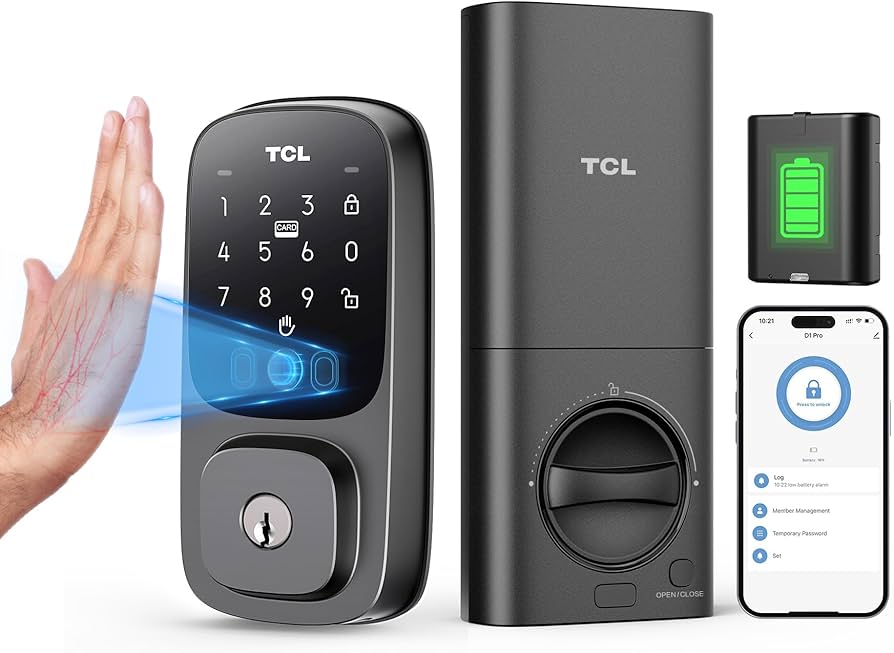
Two main motivations for developing a smart home ecosystem are convenience and security. For instance, you can request recipes via your digital assistant on a smart display in your kitchen, and configure your smart thermostat to adjust the temperature as you approach home. You can also set up smart security cameras around the house to monitor activities from your smartphone, and secure your door with a smart lock for added safety.
Naturally, there are other advantages of a smart home configuration, like energy efficiency and entertainment. It’s entirely up to you to define what you wish to achieve with your devices so that your invested money and efforts don’t go to waste.
**3. Streamline your applications**
Smart home devices typically come with various companion applications that allow you to access their features and settings. However, can you envision having five different devices at home, each requiring a separate app for management? It becomes even more cumbersome with 10, 20 devices, and beyond. It would be much simpler if, for instance, your smart security cameras and smart locks could be managed from a single app or a couple of apps.
This doesn’t imply that you should exclusively purchase devices from one brand, as there are alternative methods to reduce the number of apps and ecosystems you need to handle. One of the most favored approaches is to employ a digital assistant such as Amazon’s Alexa alongside an Amazon Echo device, or to integrate them with your Google Home application.
Once you’ve become accustomed to your smart home, you might contemplate establishing a HomeAssistant server, as suggested by Reddit user u/mlee12382. This server would facilitate communication between devices from different ecosystems, allowing for a broader range of setups for your smart home. According to Redditor u/OpethNJ, the cost associated with setting up a HomeAssistant server is approximately $200.
**4. Leverage voice assistants**
Speaking of digital assistants, voice-operated assistants are fantastic if you prefer to manage your smart home devices without using your hands. For instance, you can request a specific recipe if you forgot the measurements while preparing ingredients, or you can adjust your room’s temperature without leaving the comfort of your bed on a leisurely weekend morning. It’s often quicker to issue a voice command than to launch an app and navigate through menus.
Numerous voice assistants are available on the market. Besides the previously mentioned Alexa (and Amazon’s upgraded version, Alexa+), other popular options include