

Mamun_Sheikh/Shutterstock
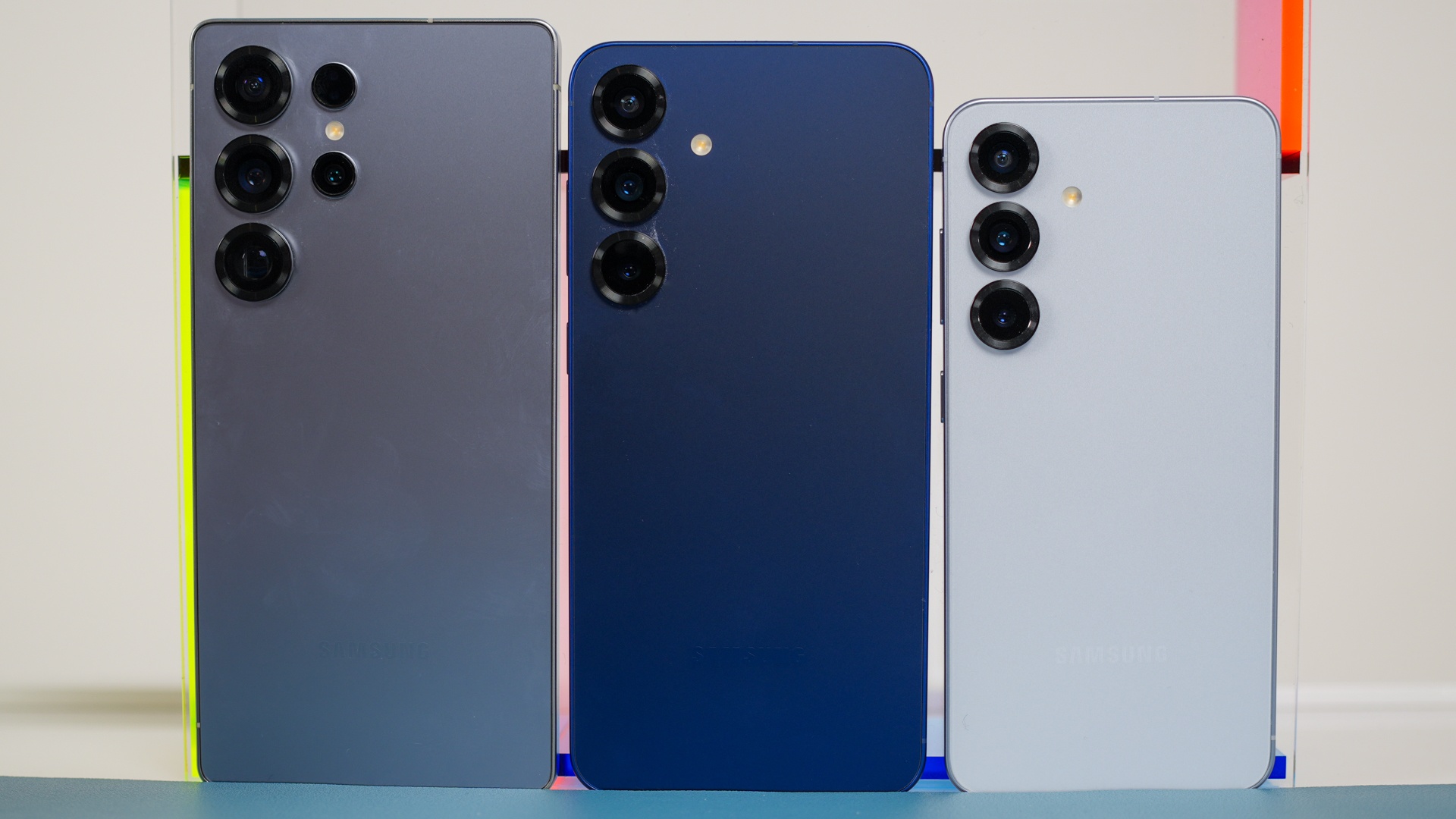
For the majority of users, no, it’s not always possible to differentiate between inexpensive and pricey Android devices. The premium flagships, such as Samsung’s Galaxy S26 Ultra and Google’s Pixel 10 Pro XL, are designed for power users—individuals who heavily utilize their phones for gaming, multitasking, and other intensive activities. Indeed, many do not fall into this category. It’s much like how most individuals won’t be overclocking their new computers, so it makes little difference whether you possess a high-end CPU or a more economical model if your main game is Stardew Valley.
Nonetheless, there are various levels of affordable, budget-oriented phones. Depending on how cost-effective you go, the disparities might begin to surface when measuring the experience against a top-tier flagship. For instance, with casual usage, it would be difficult to see the difference between the Pixel 10 and the Pixel 10 Pro — yet the distinction between the Pixel 10 Pro and the Pixel 10a may be noticeable. However, for the most part, these phones should function sufficiently even under moderate usage.
Conversely, if your primary activities involve texting, calling, and web browsing, you wouldn’t find a significant difference in performance between the Samsung Galaxy A36 and the Samsung Galaxy S26+. However, if you chose to play resource-heavy games like Genshin Impact on your Galaxy A36, you would begin to realize how much processing power is required as opposed to, for example, scrolling through Instagram.