

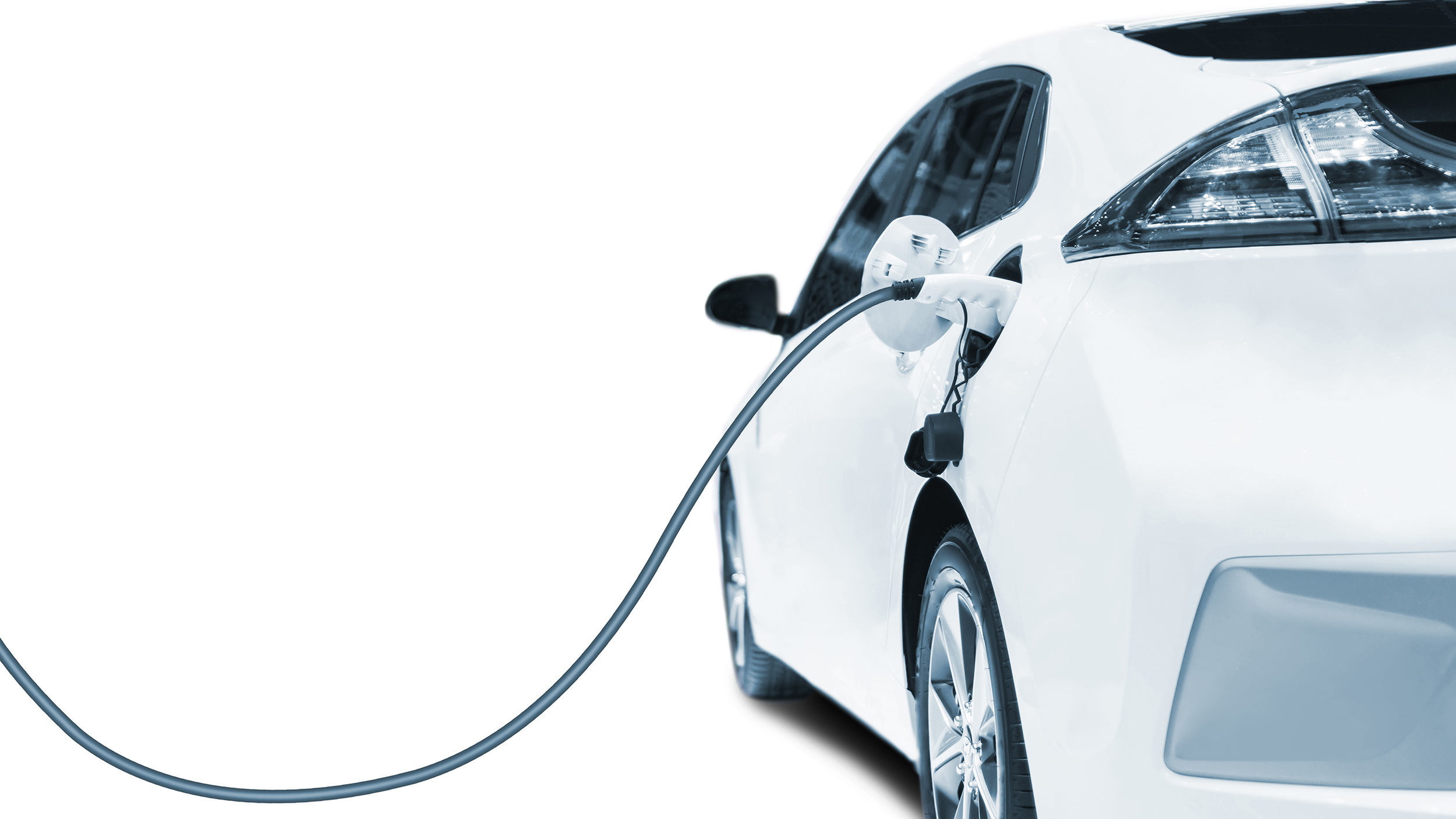

Volodymyr TVERDOKHLIB/Shutterstock
Opinions about the status of electric vehicles vary widely based on whom you ask. Some advocate for the embrace of EVs, while others argue they are not as eco-friendly as they are portrayed. Although several of these assertions have been debunked, there exists a significant challenge that EVs face, which remains unresolved: the fate of the numerous obsolete batteries they produce.
The battery cells used in Tesla, Rivian, and other electric vehicles come at a high manufacturing cost, and though battery failures and replacements are not as prevalent as some contend, they can still occur. Moreover, when these electric vehicles are totaled in accidents or when other issues render their battery ineffective, disposal becomes a concern. These batteries cannot simply be discarded, as they are highly flammable and the materials used in their production are costly to procure.
This situation highlights a critical issue: production costs. Crafting a single large car battery may necessitate extensive land mining to obtain the raw materials necessary for the batteries’ fabrication. Some studies indicate that the production of one electric vehicle may leave a more substantial carbon footprint than that of one gasoline vehicle. So, what is the solution to these dilemmas? It seems Colorado might have a potential answer.