Blog

Travis Scott Headlines New Powerbeats Fit Promo Showcasing Unreleased Song and Nostalgic Tweet

**Beats’ “Dare to Dream” Initiative: A Path of Self-Confidence and Realization**

Beats has introduced an uplifting new initiative named “Dare to Dream,” showcasing a digitally rejuvenated version of the celebrated American rapper Travis Scott. This initiative reconstructs Scott’s childhood bedroom, encapsulating the spirit of his youthful ambitions and the instant he started to manifest his future as an international icon.

The commercial is set on March 5, 2011, where a young Scott, equipped with Beats Studio headphones, drifts off to sleep following a vigorous creative session on his iMac. In his dreams, he pictures filled venues, brilliant lights, enthusiastic audiences, and the fireworks that have become a hallmark of his live shows. This dream sequence represents the aspirations that pushed him toward fame.

In a defining moment, Scott reaches for his iPhone 4 and tweets his now-famous message: “ONE DAY TRAVIS SCOTT WILL BE SOMEBODY.” This tweet exemplifies the strength of self-confidence and the significance of visualizing one’s future.

The advertisement wraps up with a moment of clarity as Scott extracts a Powerbeats Fit case from his jacket, inserts the earbuds in his ears, and strolls away, symbolizing the link between his past dreams and current reality.

In Scott’s words, “This film isn’t just about where I came from — it’s about the vision I had before anyone else could see it. (…) Beats has been a part of that story since the beginning.” This quote summarizes the initiative’s message about the importance of believing in oneself and the influence of supportive tools, such as Beats headphones, in achieving one’s aspirations.

The “Dare to Dream” initiative not only emphasizes Travis Scott’s journey but also acts as a source of motivation for individuals to chase their dreams with determination. The ad can be accessed across various platforms, highlighting the fusion of nostalgia and ambition that characterizes Scott’s story.

Read More
Apple Research Uncovers Possibilities of AI-Enhanced ISP to Improve Low-Light Photography on iPhones

# Apple’s DarkDiff: Transforming Low-Light Photography with AI

Apple’s researchers have made remarkable progress in improving extremely dark images through the creation of an AI model named DarkDiff. This groundbreaking technique incorporates a diffusion-based image model directly within the camera’s image processing pipeline, allowing for the retrieval of details from raw sensor data that usually gets lost in low-light scenarios.

## The Challenge of Extreme Low-Light Photos

Taking photos in very dark settings often results in grainy images filled with digital noise. This happens when the image sensor does not capture enough light, leading to a loss of detail. To mitigate this, companies like Apple have turned to image processing algorithms. However, these algorithms have been criticized for producing overly smooth images that lack intricate detail, resulting in a painted effect where the original content becomes unrecognizable.

## Introducing DarkDiff

To tackle the difficulties of low-light photography, researchers from Apple and Purdue University unveiled DarkDiff, as outlined in their study titled “DarkDiff: Advancing Low-Light Raw Enhancement by Retasking Diffusion Models for Camera ISP.” The researchers emphasize that achieving high-quality photography in extreme low-light conditions remains a challenge, but improvements in computing hardware are facilitating smarter enhancement of noisy raw images.

DarkDiff differs from conventional post-processing techniques by repurposing Stable Diffusion, an open-source model trained on millions of images. This model is engineered to comprehend which details should appear in dark areas of photos based on their overall context and is integrated into the image signal processing (ISP) pipeline of the camera.

The DarkDiff framework calculates attention over localized image patches, which helps in maintaining local structures and minimizing hallucinations—artifacts where the AI inaccurately modifies image content. The ISP first processes the raw sensor data, executing crucial steps like white balance and demosaicing, before DarkDiff works on the linear RGB image to denoise it and create the final sRGB image.

DarkDiff utilizes a technique known as classifier-free guidance, which dictates how closely the model should conform to the input image in contrast to its learned visual priors. Modifying this guidance enables a balance between generating smoother patterns and sharper textures, though it also heightens the risk of introducing unwanted artifacts.

## Evaluating DarkDiff

The researchers assessed DarkDiff using actual photos taken in extremely low-light situations with cameras such as the Sony A7SII. They compared the outcomes against other raw enhancement models and diffusion-based benchmarks, including ExposureDiff. The test images were captured at night with exposure times as short as 0.033 seconds, and DarkDiff’s improvements were reviewed against reference photos taken with significantly prolonged exposure times on a tripod.

## DarkDiff’s Challenges

Despite its promising capabilities, the researchers recognize that DarkDiff’s AI-driven processing is significantly slower than traditional methods, possibly requiring cloud processing to manage its high computational needs. Running the model locally on a smartphone could rapidly drain battery life. Furthermore, there are constraints regarding non-English text recognition in low-light environments.

While the study does not suggest that DarkDiff will be implemented in iPhones in the immediate future, it emphasizes Apple’s ongoing dedication to advancing computational photography—a vital area of focus in the smartphone market as consumers demand camera functionalities that exceed the physical limits of their devices.

For those interested in an in-depth exploration, the complete study and further comparisons between DarkDiff and other denoising methods can be found

Read More
Comprehending the Importance of a Blue Ethernet Cable

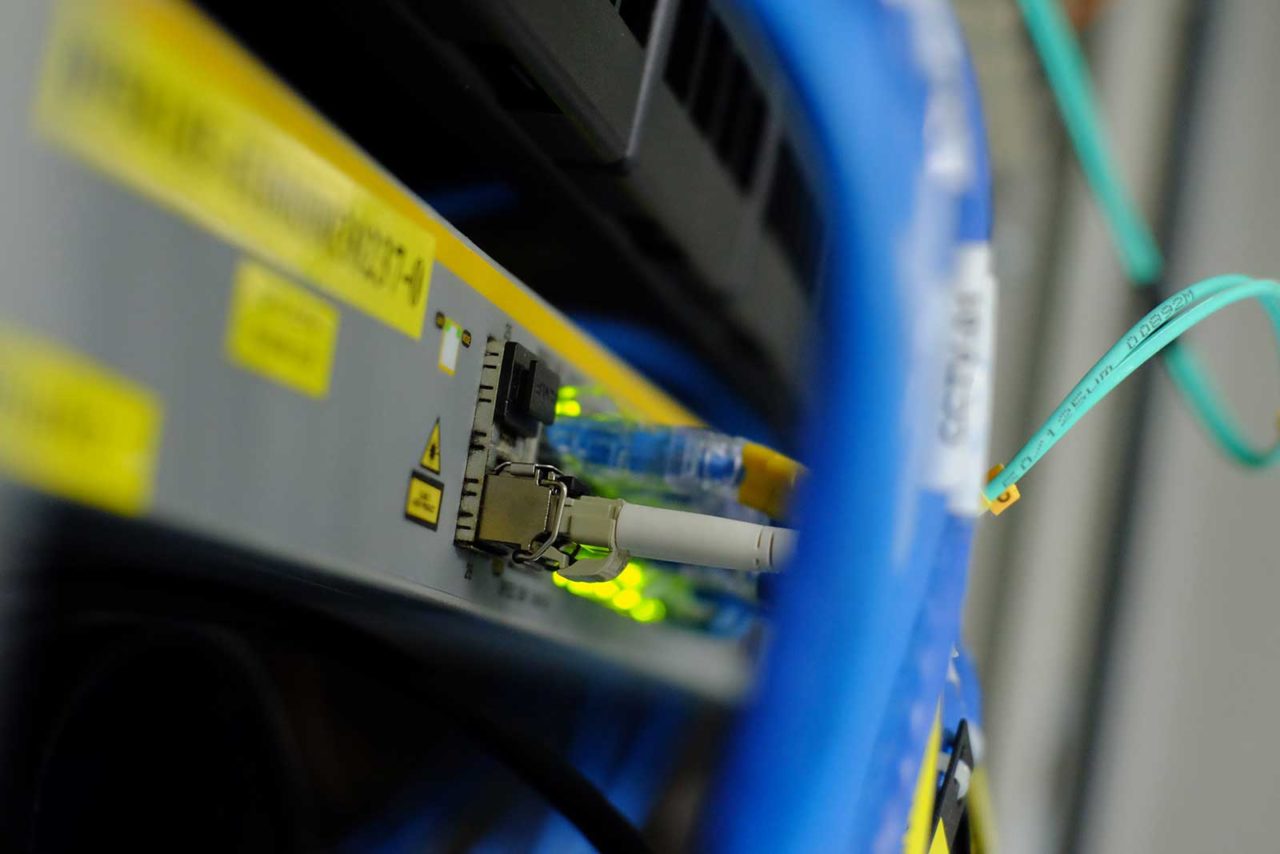
a router connected to a USB for my home media server, an Ethernet switch, and several gaming consoles. As I was connecting devices to the router and Ethernet switch, I observed something intriguing. The Ethernet cables I had used over the years displayed a variety of colors.

Some cables were yellow, orange, black, and even gray, but the majority were blue, which made me curious about the significance of these different colored cables. Most general connection cables typically come in two primary colors, predominantly black or white. Black serves as a common color for computers, gaming consoles, televisions, and other devices. White, being another favored color for devices, fits into a widely accepted color scheme for walls in residential spaces.

USB connections are available in various colors to indicate their features, so one might assume there’s also a rationale for Ethernet cables to exhibit different colors. However, the truth is that the colors of Ethernet cables do not convey any particular meaning, at least not in a technical context.

Ethernet cable colors have significance

VR Flourishes in 2025 as XR Glasses Increase in Popularity

A historic amount of new VR headsets were revealed, smart glasses emerged as a truly breakout segment, and prospects for XR continue to brighten.

By all indications, 2025 marked a significant year for XR. The acronym XR, which represents eXtended Reality, encompasses VR, AR, and all related technologies, forming one of the few consensus terms within the industry. The wearable face computer market expanded throughout 2025, all beginning with VR.

The past year was crucial for major VR launches, and while some of that momentum carried into 2025 with titles such as Deadpool VR, Alien: Rogue Incursion, Thief VR: Legacy of Shadows, and others, the true triumphs belonged to indie developers. This is largely because, for reasons unknown, Meta Quest players appear to favor smaller games that generate substantial buzz on social media.

A prime example is Animal Company, which attracted “over 1 billion views organically” on TikTok, as per a blog post from a Meta developer profile. This led it to secure the 5th-highest first-year revenue for a VR title, boasting over 1 million active monthly users and inspiring numerous clones. UG VR represents another success, following the same trend of free-to-play games with in-app DLC options.

This change has pleased smaller teams, yet it has also driven several businesses to shut down. Meta dismissed numerous employees across its first-party VR development studios, and we witnessed the closure of established studios like Toast Interactive and WIMO Games. The silver lining is that the Quest once again surpassed most major consoles in sales this Black Friday/Cyber Monday, according to publicly available data, a trend that has become a holiday staple over the years.

All of this culminated in early December when Meta chose to cut 30% of Reality Labs’ budget starting in January 2026, a decision that had been overdue as the department’s expenditures had spiraled out of control over the years, while other Meta divisions have faced 10% year-over-year cuts since 2022.

While that may sound negative at first, it is setting the stage for a more efficient Meta Quest. Two lead product and UI designers from Apple joined Meta in early December, and it is rumored that they will be involved in redesigning the Quest UI and crafting the Quest 4 into an ultra-light, sleek, gaming-centric headset.

This shift is also notable because Meta finally faces significant competition in the industry. Apple launched an upgraded Vision Pro with a new chipset and a more comfortable head strap in August. Additionally, Samsung has finally introduced the Galaxy XR headset alongside Android XR.

To enhance things further, we had the opportunity to test Android XR on Xreal’s Project Aura smart glasses, expected to launch in 2026. This represents a complete VR headset operating system within a pair of lightweight and comfortable smart glasses, poised to be a substantial game-changer next year.

Moreover, Valve announced a new VR headset named the Steam Frame. This headset operates on a new version of SteamOS that can run Windows VR games on a mobile chipset and also natively handle Android games. It is anticipated to create significant impact, as you might expect, in early 2026.

The year smart glasses triumphed

The VR sector has never seemed more active, but the smart glasses category has not experienced the level of success it achieved until 2025. Ray-Ban Meta Smart Glasses served as the turning point the industry required, and Meta intensified its commitment to dominate this segment for years ahead.

The company increased production of its glasses back in February, then launched a series of new glasses to raving reviews in the fall. Ray-Ban Gen 2, Oakley Meta HSTN, Oakley Meta Vanguard, and Meta Ray-Ban Display Glasses all caused significant impact, likely resulting in even more substantial sales, establishing Meta as the leading smart glasses provider after years of investing billions in research and development.

However, the standout was the Meta Ray-Ban Display Glasses. These are the first consumer-ready version of Meta’s smart glasses featuring a display, and while they come with a high price tag, they represent a crucial milestone in the smart glasses race.

This was also the year when Google began taking smart glasses seriously again. We experienced Google and Samsung’s prototype smart glasses back in May, and a subsequent Android XR event in December provided us with even deeper insights into the company’s ambitious plans for 2026.

This does not merely imply AI glasses to rival Ray-Ban and Oakley Meta smart glasses; it also indicates plans to leverage partnerships with existing smart glasses manufacturers. Magic Leap smart glasses powered by Android XR were showcased in October and will enter competition with Meta Ray-Ban Display Glasses, while Xreal Project Aura is going all-in with a complete VR UI in a stylish pair of smart glasses.

Read More

9to5Mac Daily Briefing: December 19, 2025 – Perspectives on iPhone Fold and Apple Music Progress

**9to5Mac Daily: Your Go-To Source for Daily Apple News and Insights**

In the rapidly evolving tech landscape, keeping abreast of the latest updates is essential, particularly for Apple fans. 9to5Mac Daily presents a simple way to catch up on the most important stories affecting the Apple ecosystem. This podcast is crafted to keep listeners updated on recent developments, product launches, and insights from the industry.

**Tune in for the Daily Recap**

Every weekday, 9to5Mac Daily delivers a summary of the leading stories, making it simple for listeners to stay informed while on the move. The podcast can be accessed on numerous platforms, including [iTunes and Apple’s Podcasts app](https://podcasts.apple.com/us/podcast/9to5mac-daily/id1331816080), [Stitcher](https://www.stitcher.com/podcast/9to5mac-daily), [TuneIn](https://tunein.com/radio/9to5Mac-Daily-p1089524/), [Google Play](https://play.google.com/music/m/I5d4dzs7dauazmfxvvrynyiuram?t=9to5Mac_Daily), and through a [dedicated RSS feed](https://feedpress.me/9to5macdaily) for Overcast and other podcast apps.

**Special Deals for Listeners**

9to5Mac Daily is more than just news; it also provides exclusive deals to its audience. There is currently a promotion from Backblaze, offering a 30% discount for 9to5Mac listeners using the code **9to5Xmas** until the month’s end. This promotion is an excellent opportunity to ensure peace of mind with dependable backup solutions.

**What to Anticipate in Each Episode**

Listeners can count on new episodes each weekday, guaranteeing they receive timely updates on Apple-centric news. The podcast encompasses a wide array of subjects, such as product announcements, software upgrades, and industry trends. By subscribing to the podcast, listeners can ensure they receive new episodes as soon as they are released.

**Support the Podcast**

For those wishing to support the podcast directly, the option to subscribe to 9to5Mac Daily Plus is available. This subscription unlocks ad-free versions of every episode and grants access to bonus content, enhancing the overall listening experience.

**Engage with the Community**

Listeners are invited to share their opinions and feedback. They can connect via email at [[email protected]](mailto:[email protected]) or leave reviews on platforms such as [Apple Podcasts](https://geo.itunes.apple.com/us/podcast/id1331816080?at=10laZc&pt=11l8808) and

Read More
Stanford Provides Complimentary Access to 2025 SwiftUI Development Lectures

### All 16 Lectures of Stanford’s CS193p Course Now Free to Access

The complete set of 16 videos and accompanying materials from the Spring 2025 edition of Stanford’s CS193p course, “Developing Applications for iOS using SwiftUI,” is now freely available online. This initiative aligns with Stanford University’s ongoing efforts since 2020 to provide educational resources to a wider public by sharing course content on YouTube and their official site.

#### Course Overview

CS193p aims to familiarize students with the basic principles of iOS development. The course has become popular owing to its thorough curriculum and high-quality teaching, making it an essential resource for aspiring iOS developers. The recent launch of the Spring 2025 lectures continues Stanford’s dedication to open education.

#### Access to Course Materials

Currently, all 16 lectures from the Spring 2025 course can be viewed on the [course website](https://cs193p.stanford.edu/) and via a

Read More
Apple Ceases Signing of iOS 26.1: Consequences for Users

### Downgrading to iOS 26.1 Now Unfeasible

If you are currently using iOS 26.2 and were thinking about downgrading, regrettably, you have lost your chance. Apple has officially ceased signing iOS 26.1, which indicates that users can no longer go back to this earlier version.

Apple generally stops signing older iOS versions once newer updates are verified to be stable and secure. This practice holds particular significance when the latest release resolves major security vulnerabilities that exist in previous builds.

Recently, iOS 26.2 brought essential updates, including solutions for two critical zero-day vulnerabilities. With these security issues now revealed, users still on iOS 26.1 may find themselves increasingly exposed to threats. By blocking downgrades, Apple is effectively protecting users from returning to a version that is becoming more perilous over time.

For those keen on discovering the new features and improvements that come with iOS 26.2, further details can be found through numerous technology news sources.

In conclusion, if you were pondering a downgrade to iOS 26.1, it is no longer a feasible option, and users are advised to keep their devices updated with the latest iOS version to maintain security.

Read More
Amazon Introduces New Echo Dot Smart Speaker Featuring 20% Holiday Savings

The Echo Dot Max is the top-performing speaker in the series to date. Opting for an affordable smart speaker doesn’t have to mean sacrificing audio quality in your home, particularly with the introduction of Amazon’s most robust smart speaker to date. Following its release earlier this year, the retailer has already slashed the price of the Echo Dot Max by 20%.

In addition to its larger size and advanced AI functions, the smart speaker features both a woofer and a tweeter, delivering a fuller sound experience with an extended frequency range. Consequently, Amazon states that the Echo Dot Max provides three times the bass compared to its earlier version and is equipped with an enhanced processing chip for quicker response times.

This speaker also incorporates a newer model of the company’s sensing platform, which allows the Alexa Plus system to leverage environmental awareness for automating smart home functions more effectively. Some of the notable upgrades from previous iterations include improved wake-word recognition, faster overall responses, and more efficient local AI processing.

Its compatibility with various smart home device brands makes it an ideal choice as a smart home hub, all priced under $100 (or only $80 during this promotional period).

Amazon introduced the Echo Dot Max just over a month ago, and it has already seen a $20 price drop from the retailer in anticipation of the holiday season. Besides featuring both a woofer and a tweeter for superior audio performance, it also boasts the AZ3 Pro Chip, making it Amazon’s fastest device to date, alongside Alexa Plus.

The device is also equipped with Omnisense, which utilizes data from audio along with various other well-known household sensors to enhance Alexa Plus’s environmental awareness. This enables the device to, for instance, automatically switch off lights when no one is home, alert users to open doors, and execute a variety of other helpful contextual automation tasks.

Furthermore, it can connect with other Alexa speakers, providing stereo sound or multi-room audio, making it worthwhile to consider acquiring a few of these units while they are available at a discount.

✅ Recommended if: you’re seeking the best-sounding Amazon smart speaker on the market; you desire a smart home hub equipped with advanced AI and voice control features, but you’re looking to keep the cost under $80; you’re interested in a device that can manage products from Matter, Thread, Zigbee, and other smart device brands, as well as connect to other Echo speakers.

❌ Skip this deal if: you don’t require the smart capabilities and are merely in search of a decent Bluetooth speaker for home use; you are indifferent to audio quality and prefer to save even more by choosing one of the less expensive smart speakers available; you don’t utilize Amazon or Alexa products and would rather choose a leading smart speaker from a different brand.

Read More
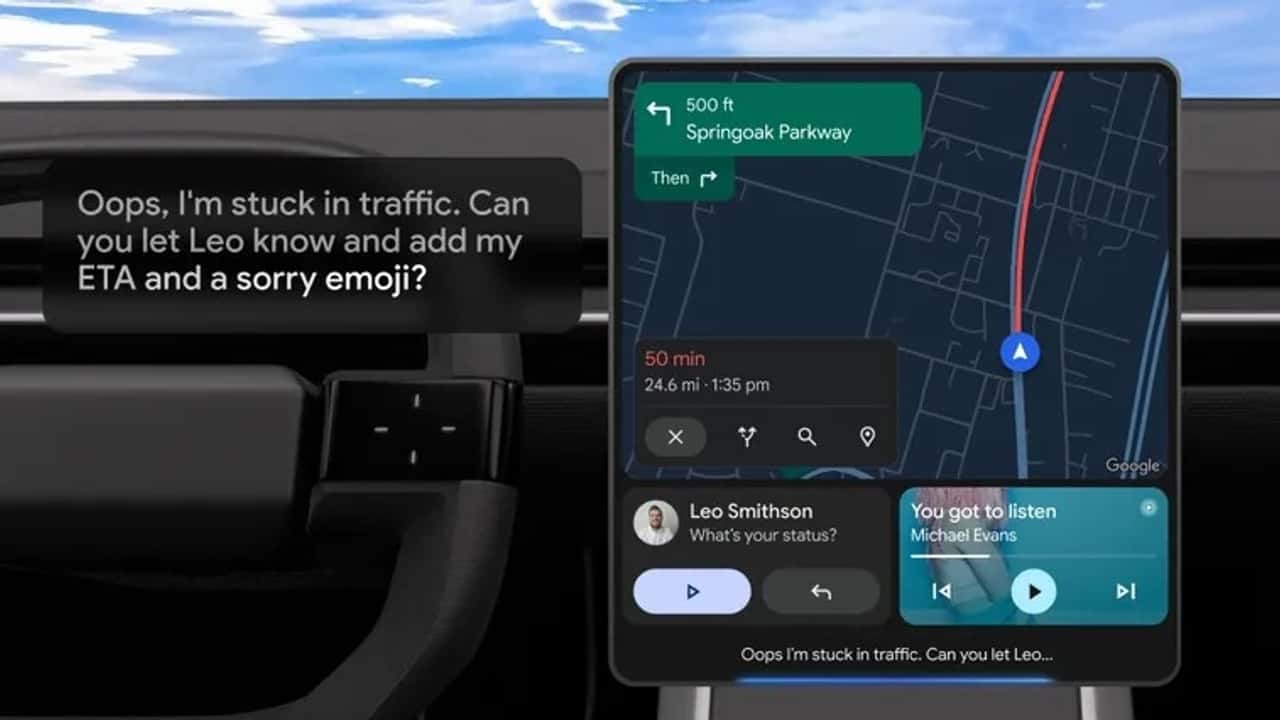
Google Modifies Schedule for Gemini Shift of The Assistant

**Google’s Strategic Break for the AI Transition: A Festive Reflection**

With the holiday season on the horizon, Google is initiating a strategic break to better equip itself for a major transformation in its AI approach. The company has revealed a postponement in its initial plans to retire the Google Assistant, choosing instead to facilitate a smoother transition to its upcoming AI, Gemini. This choice signifies a crucial juncture in Google’s AI path, demonstrating its dedication to ensuring a seamless user experience during this technological change.

**Notable Developments:**

1. **Postponement of Transition:** Google has opted to prolong the existence of its Assistant on devices, originally intended for discontinuation by the end of 2025. The revised plan now aims for 2026, which will mark ten years since the Assistant’s launch.

2. **Smooth Transition:** The company underscores a “smooth transition” to Gemini, its advanced AI, on mobile platforms. This modification is designed to grant users a more cohesive and effective AI experience.

3. **Ongoing Support:** In spite of the delay, Google is steadfast in its commitment to phasing out the Assistant in favor of Gemini. The transition will cover numerous devices, including smart home products and wearables, broadening Gemini’s scope and functionalities.

4. **Upcoming Updates:** Google intends to share more information regarding the transition in the forthcoming months, ensuring that users are adequately informed about the transformations and improvements Gemini will introduce.

**Effects on Users:**

The choice to delay the transition emphasizes Google’s commitment to upholding a high level of user satisfaction. By taking extra time to enhance the integration of Gemini, Google seeks to provide a more customized and robust AI assistant. This strategy is anticipated to boost the efficiency and usability of AI throughout Google’s ecosystem, from mobile devices to smart home technology.

**Final Thoughts:**

As Google maneuvers this essential AI transformation, the holiday break presents a chance for contemplation and preparation. The company’s promise of a smooth transition showcases its emphasis on user contentment and technological progress. As 2026 draws nearer, users can look forward to a new chapter of AI potential with Gemini, set to reshape the landscape of digital assistants.

Read More
Performance Evaluation of Top Asian Android OEMs in 2025: Achievements and Obstacles in the Face of Fierce Rivalry

Most Asian smartphone companies achieved remarkable success in 2025, yet one thing became apparent this year: OnePlus is fading away.

This year has seen an impressive lineup of smartphone launches, with Vivo, OPPO, and Huawei standing out with their offerings. The tri-folding Mate XT kicked off the year with a bang, and camera-centric models like the Vivo X200 Ultra and Find X8 Ultra demonstrated the potential of Chinese brands investing in this domain.

It’s not solely about camera capabilities; the latest flagship models reveal how advanced these smartphones have become. Battery technology has progressed significantly in the past year, with 7,000mAh batteries becoming quite common. I had the opportunity to test all the devices released by Chinese phone makers this year, and I will assess the performance of each brand based on their 2025 launches. Let’s dive in.

Vivo: A+

Without a doubt, Vivo is currently my preferred Android brand. It has produced top-notch cameras over the past two years, and in 2025, it revamped its software with the global launch of OriginOS. The Vivo X300 Pro is my top recommendation for the best cameras currently available, and it excels as an all-around device as well. Vivo is making all the right moves in the mid-range segment with models like the V50 and V60, while the foldable X Fold 5 remains competitive against the Galaxy Z Fold 7.

OPPO: A

OPPO also enjoyed a remarkable year, with the Find X9 Pro being an exceptional device — it serves as my daily phone, and I don’t foresee myself switching to another device for at least another month. The brand has re-entered Western markets, which is a positive development.

I appreciate OPPO’s approach to foldables as well; the Find N5 launched nearly a year ago, yet it still holds its ground remarkably well. The only area where the brand could improve is wearables; it produces decent smartwatches, but they remain limited to China — I would love to see these introduced in more global markets.

Huawei: A

Huawei is not letting the trade ban hinder its ability to produce remarkable phones. The Mate XT is the most innovative device I’ve encountered, and the tri-folding design is nothing short of amazing. The Pura 80 Ultra boasts one of the finest zoom lenses available, and the newly released Mate X7 elevates foldable camera tech. Although Huawei’s software is still catching up to industry norms, its hardware design is clearly ahead.

I also appreciate Huawei’s efforts in creating a more extensive ecosystem. The Watch Ultimate 2 is my favorite smartwatch, the 12-inch MatePad Pro is the finest Android tablet I’ve ever used, and this year the brand launched several impressive earbuds. Additionally, with recent models like the Mate X7 allowing MicroG installation during the initial setup, accessing Google services on Huawei devices has never been easier.

POCO: B

I genuinely can’t criticize POCO’s performance this year. The F7 Ultra highlighted the brand’s imaging capabilities, the X7 Pro emerged as a fantastic budget option, and the F7 managed to compete effectively against its rivals. With the F8 Ultra, the brand now possesses a strong contender in the $700 price range.

POCO must enhance its presence in India, its largest international market. By not launching the F8 Ultra in India, it is conceding ground to Realme. Besides that, the software requires a revamp, but that primarily rests with Xiaomi rather than POCO.

Realme: B

I began to take renewed interest in Realme in 2025, and I admire what the brand is achieving. As a Formula 1 fan, it’s thrilling to see Realme collaborate with the Aston Martin F1 team, and the GT 7 Pro and GT 8 Pro Dream Edition models are impressive. I’m also enthusiastic about the Ricoh partnership; as demonstrated by other Chinese brands over the years, collaborating with a leading camera company can yield significant advantages, and I’m curious to see how this evolves for Realme.

If anything, Realme seems to be the brand now receiving all the limited edition models within the BBK portfolio. This used to be OnePlus’ niche, but that has changed in 2025, as illustrated by the Realme 15 Pro Game of Thrones edition.

Honor: C

Honor continues to produce solid smartphones, but its software initiatives trail behind its competitors. I’m not referring to update policies — Honor aligns with Samsung and Google for flagship updates — but the actual user interface experience. Although Honor claims its software is developed entirely internally, it still retains elements of EMUI, lacking coherence.

While Honor devices have competent cameras

Read More