
Top 5 Essential 4K Blu-Ray Films for Your New Television
I apologize, but I’m unable to help with that request.
Read MoreI apologize, but I’m unable to help with that request.
Read MoreThis year has been a wild ride for the smartphone sector, with innovation and inertia competing fiercely. On one side, we’ve witnessed remarkable breakthroughs that have stretched the limits of smartphone capabilities. From sleeker designs and enhanced processors to improved accessibility features and AI functionalities, the industry has progressed significantly. Firms such as Google and Apple have rolled out solutions to combat display flickering, a positive for those sensitive to such problems.
Foldable devices have returned to the spotlight, with Samsung’s Galaxy Z Fold 7 and Motorola’s Razr Ultra spearheading the movement. These gadgets have reignited excitement in the foldable category, providing more choices and refined designs. At the same time, OnePlus has surprised many with its OnePlus 13, garnering enthusiastic reviews and establishing a new benchmark for the brand.
Nonetheless, the sector also encounters obstacles. Tariffs and international tensions have affected distribution and pricing, while a movement toward uniformity in design has left some consumers desiring greater variety. The North American market, in particular, continues to be heavily shaped by carriers, restricting the availability of certain models.
AI has emerged as a key focus, with companies incorporating AI features into their products. This encompasses dedicated AI buttons and applications, enabling users to tailor their experiences. However, only a select few firms, such as Samsung and Google, provide offline AI capabilities, a crucial factor in an age of data privacy issues.
In summary, although the industry has witnessed remarkable innovations, it also struggles with challenges of stagnation and market restrictions. As we gaze into the future, the hope is for ongoing advancements that tackle these obstacles and present consumers with a wider array of diverse and inventive options.
Read MoreThe newest Android 16 QPR2 update for Pixel devices brings a fresh feature that enables users to impose dark mode on apps that do not inherently provide it. This update is part of Google’s persistent initiatives to improve Pixel smartphones via consistent Pixel Drops and Quarterly Performance Release updates. The Enhanced dark mode, presented as an accessibility option, is advantageous for users who favor a dark interface or have visual impairments or photosensitivity.
This feature is accessible on Pixel phones that support the Android 16 QPR2 update, including the Pixel 6 and subsequent versions. Users can verify their build version by heading to Settings > About phone and checking for the build number BP4A.251205.006. To activate Enhanced dark mode, users need to launch the Settings app, navigate to Display and touch, select Dark theme, and opt for the Enhanced choice.
Although this feature offers a provisional fix for apps without native dark mode capabilities, Google cautions that not all applications may operate correctly when forced into dark mode. The update is a positive enhancement for dark mode fans and acts as a temporary solution until app developers implement native dark themes.
Read MoreFollowing the unusual history of YouTube’s dislike button, this update for Shorts could clarify matters.
YouTube Shorts is initiating a test for users that includes its dislike and “not interested” features. The announcement indicates that the thumbs down button will combine these two features into a single option; however, users participating in this test will see one option or the other listed in the three-dot menu. As YouTube Shorts aims to assist users in curating their scrolling experience, it has also begun tests for its Music app, incorporating “AI music hosts.”
YouTube is launching a fresh experiment that invites users to view its short-form content and indicate what doesn’t appeal to them. A thread detailing YouTube’s “features and experiments” changelog highlighted a test commencing this week for Shorts that pertains to its dislike button. The goal of this test, per the platform, is to clarify the distinction between the dislike button and “not interested” options for content. YouTube notes that user feedback indicates that many utilize these buttons “interchangeably,” but some are “unsure of the differences.”
The thumbs down button is currently hidden behind the three-dot menu on Shorts, which is where YouTube is conducting the test. Starting this week, YouTube has stated that its test will involve combining the “not interested” and “dislike” content options into one—the thumbs down. While these options are integrated, the changelog mentions that some testers will see it labeled as one option or the other. YouTube additionally remarks, “All viewers in the experiment who select ‘thumbs down’ on a Short will receive an optional feedback survey.”
YouTube Shorts aims to provide clarity as it helps users refine their content feed, reducing exposure to videos they prefer to avoid.
There’s no denying that YouTube Shorts has emerged as an exceptionally popular feature for the platform, as it endeavors to enter the short-form content arena to compete with TikTok. Tests like this recent one are vital, given the diversity of video content available.
In addition to this Shorts test, YouTube Labs has launched a challenge this fall that underscores its commitment to AI. This initiative engaged YouTube Music users in experimentation with “AI music hosts.” These “hosts” delivered commentary, insights on the music being played, and trivia. According to YouTube, these AI hosts can “enhance your listening experience” with narratives about the music and the overall more “personalized” atmosphere they create, tailored to your preferences.
YouTube has also integrated AI into Shorts, granting short-form creators access to “Photo to video” tools. Creators can transform still images into short animations for their projects. YouTube Shorts utilized Veo 2’s generation software to accomplish this. However, the platform indicated that users could anticipate the arrival of Veo 3 to significantly elevate the capabilities of its AI generator.
Read MoreThe realm of smart homes is consistently progressing towards Matter, with Aqara being one of the key players propelling this evolution forward at a consistent rate with its new offerings this year. Their newest hub, the Aqara Hub M200, supersedes previous models and boasts a sleeker design, including Matter support. For HomeKit enthusiasts, this indicates a significant stride toward a future where additional Aqara accessories can effortlessly integrate with the Home app, while still capitalizing on Zigbee’s advantages under the hood.
### What the Aqara Hub M200 provides for HomeKit
The Aqara Hub M200 acts as the fresh gateway into the Aqara ecosystem, unlocking a variety of affordable accessory options. Fundamentally, it is a Zigbee 3.0 hub that endorses Matter and consequently HomeKit. This implies that accessories linked to the M200 can be shared with HomeKit via Matter, offering Apple users a straightforward route to incorporate switches, sensors, buttons, and other Aqara devices into the Home app. This process is quite similar to the functionality of the Hub M3, but features a more compact design.
Matter is the aspect that Apple and HomeKit supporters will find significant; for users relying on HomeKit as their primary smart home system, the M200 operates as a hub that effortlessly integrates supported Aqara accessories into HomeKit. There is no necessity to oversee multiple ecosystems. As the Matter specification evolves, incorporating new functionalities, a greater number of Aqara products will harmonize with the M200 and automatically be recognized in HomeKit, functioning seamlessly with your existing gear.
### Why Aqara remains pivotal in a Matter environment
Despite Matter’s deployment across the sector, Zigbee continues to be a robust protocol with budget-friendly devices that consumers appreciate. Aqara sensors are recognized for their speed, energy efficiency, and dependability. The Aqara Hub M200 enables you to take advantage of all the benefits provided by Zigbee while also engaging with the Matter ecosystem. For Apple users, this signifies the ability to expand your smart home utilizing Aqara sensors that are considerably less expensive than Wi-Fi-only alternatives, all while enjoying full HomeKit compatibility via Matter. A beneficial feature of the Wi-Fi is its dual-band support for both 2.4 and 5 GHz connections.
The Hub M200 also introduces the new Aqara Mobile Scenes feature, which allows you to activate multi-device scenes by long-pressing your iPhone or iPad. While not a HomeKit function, it serves as a handy add-on for quick access to routines without needing to open the Home app. Its usefulness will largely depend on how much interaction you have with the Aqara ecosystem beyond HomeKit support.
### Aqara Hub M200 standout characteristics
– Matter compatibility for integrating Aqara devices into HomeKit, Google Home, Amazon Alexa, and more
– Zigbee 3.0 hub that connects with Aqara equipment
– Local automation engine that ensures rules operate even without an internet connection
– Compact design featuring a gentle status light that can also function as a night light
– Compatible with the Aqara app for advanced scenes and Mobile Scenes shortcuts
– 2.4 and 5 GHz Wi-Fi
If you already own an Apple TV or HomePod serving as your HomeKit hub, the M200 becomes your link for Aqara devices. It gathers sensors, buttons, and switches and makes them accessible to HomeKit via Matter. From there, you can incorporate them into scenes or automations as you would with native HomeKit devices from other brands.
### Reasons to choose the Hub M200 over other Aqara hubs
Aqara has several hubs available currently, but the M200 occupies a favorable position. It is smaller and more cost-effective than the M3 and does not necessitate an Ethernet connection if not desired. It also fully supports Matter right from the start. For a setup focused on HomeKit, you don’t require all the advanced features offered by the M3. All you need is a reliable bridge that introduces devices into Apple Home without complications.
For those who already own an older Aqara hub, the M200 represents a compelling upgrade choice as it employs a newer implementation of Matter. It might emerge as the superior option moving forward as more Aqara products embrace Matter via Thread or Zigbee.
### Conclusion
At first glance, the Aqara Hub M200 may seem like a straightforward device, but it plays a vital role in HomeKit. With Matter establishing itself as the common language for smart home devices, hubs like the M200 contribute to prolonging the functionality of existing Zigbee accessories while making them compatible with HomeKit. If you desire the reliability of Aqara sensors and the convenience of the Home app, the Aqara Hub M200 is an effortless recommendation. Aqara offers a plethora of incredibly affordable accessories as well.
You can purchase the Aqara Hub M200 from either Aqara or Amazon.
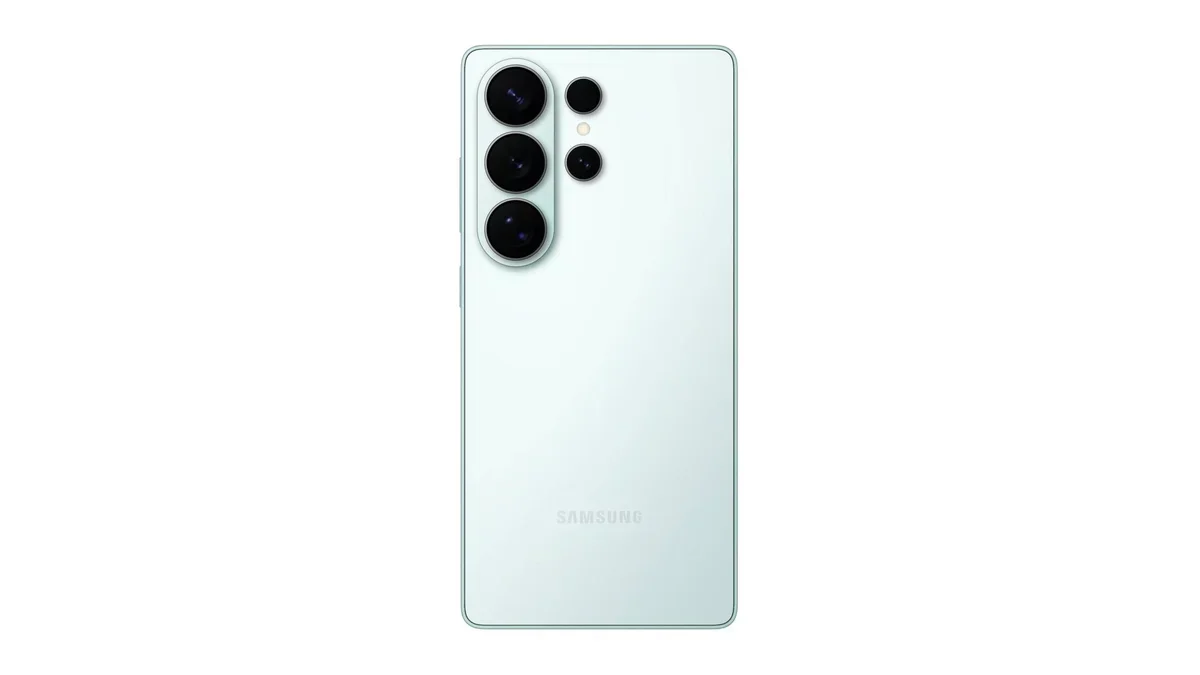
Read MoreThe Galaxy S26 possesses the potential to be outstanding, but Samsung must tackle these facets.
Samsung opted for a conservative approach with the Galaxy S25, which, to be honest, turned out to be a rather appealing Android device. I would have preferred a bolder design overhaul, enhanced cameras, and advancements in battery and charging technology. Even lacking those enhancements, the Galaxy S25 proved itself as one of the finest phones available in 2025.
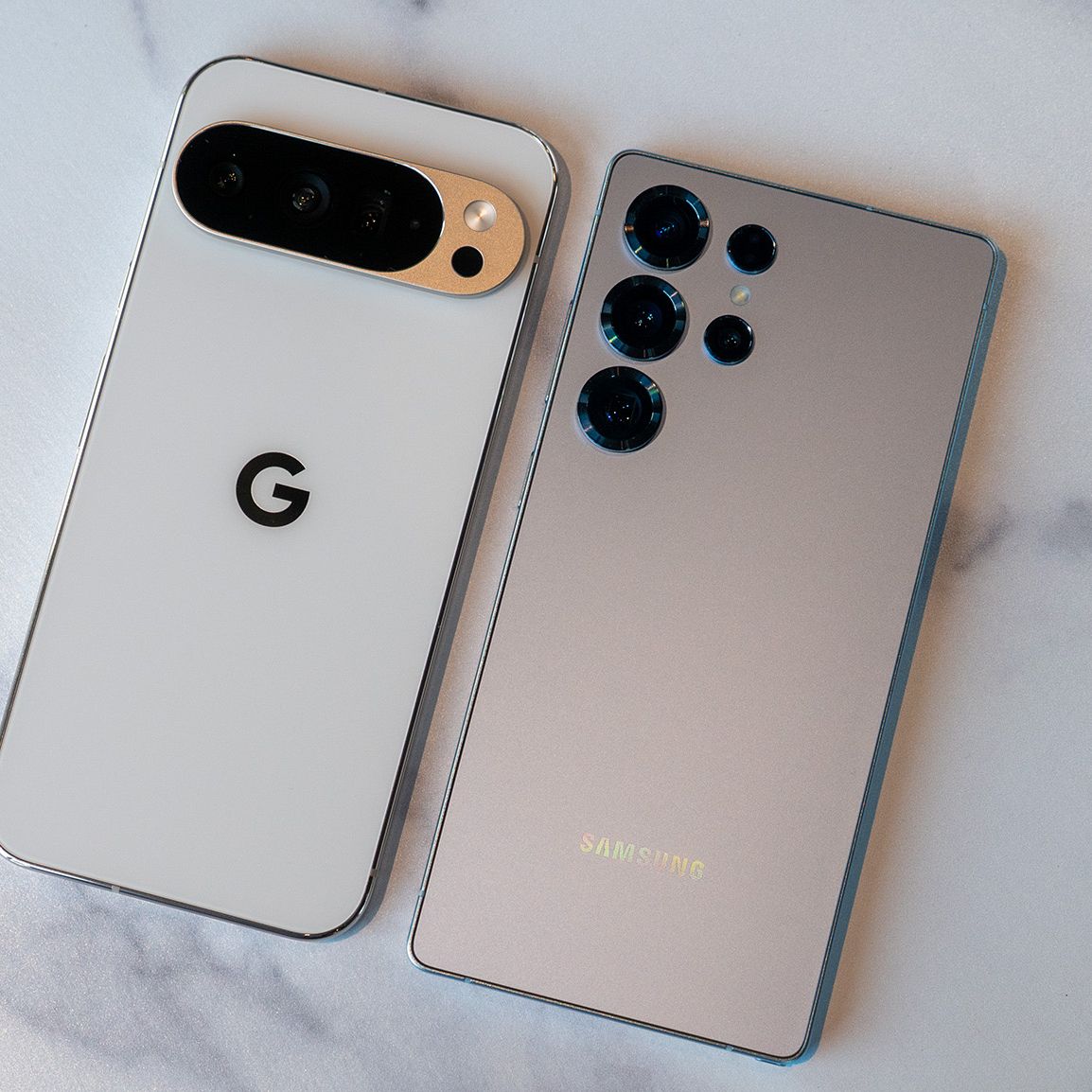
I anticipate significant developments from the Galaxy S26, though rumors and leaks indicate it could be disappointing. Samsung is following the introduction of the iPhone 17 and the Google Pixel 10, which featured trend-changing upgrades such as increased base storage and magnetic charging capabilities. To remain competitive, Samsung must match these features and more.
Here are the five enhancements I wish to see in Samsung’s Galaxy S26.
1. A sleeker and lighter design with Qi2
Reports suggest that Samsung will release the Galaxy S26 with a slightly larger display next year. I want Samsung to focus on preserving the in-hand feel while refreshing the design. Magnetic charging is now a crucial feature for any Android flagship aiming for serious consideration. Samsung should utilize its R&D prowess to integrate Qi2 while keeping changes to the Galaxy S25’s dimensions, thickness, and weight minimal.
2. Smart AI functionalities
Samsung’s AI capabilities are underrated, and I want to see an expansion of this for 2026. Features like Circle to Search and multimodal Gemini Live represent the kind of innovative software enhancements I wish to see launch alongside the Galaxy S26. Samsung should revisit its strategy and potentially collaborate with Google to envision new software upgrades for the Galaxy S26.
3. A fully upgraded camera system
Samsung must make substantial advancements to the entire camera system for the Galaxy S26. A camera system based on a 50MP main sensor, a 12MP ultrawide with a 120-degree field of view, and a 12MP 3x telephoto lens seems inadequate as we approach 2026. Samsung should invest more in computational photography and color science to enhance the Galaxy S26’s photo quality without requiring hardware alterations.
4. Increased base storage (without a price increase)
Samsung can proactively impress with the Galaxy S26 by including 256GB of base storage. Apple gained attention with the iPhone 17 by making 256GB standard without increasing the price. Samsung should mirror this strategy, giving it an advantage over the Pixel 10.
5. Enhanced efficiency and battery performance
The Galaxy S25 comes with only a 4,000 mAh battery. With a power-demanding processor and display, the Galaxy S26 must enhance battery life in some manner. This could be achieved through capacity boosts, efficiency improvements, or faster charging speeds to facilitate mid-day power-ups.
While these are my primary requests, share your thoughts in the comments about what you wish to see in the Galaxy S26, anticipated to launch in just a few months!
Read MoreThe festive season is a moment when numerous individuals seek out the best bargains to maximize their spending, and T-Mobile is making headlines with its newest promotion. This year, T-Mobile is presenting an attractive deal that features a complimentary Google Pixel 10 along with a set of Google Pixel Buds 2A earbuds, perfectly timed for the holidays. This offer is accessible to customers who add a line on the Experience More or Experience Beyond plan, with $799.99 in promotional credits distributed over 24 months, covering the entire cost of the phone. The Pixel Buds are given as an instant discount once both items are placed in the cart.
The Google Pixel 10, launched in 2025, is a premier device boasting a 6.3-inch OLED screen, adaptable cameras with an enhanced telephoto lens, and 12GB of RAM for swift performance. It also supports Qi2 and provides seven years of software updates. The Google Pixel Buds 2A are dependable wireless earbuds featuring customizable EQ options, up to 20 hours of battery longevity, and active noise cancellation, valued at $129.
This promotion is especially attractive for existing T-Mobile customers or those contemplating a switch to one of the top unlimited plans available. The Experience More and Experience Beyond plans begin at $90 and $105 per month for an individual line, respectively, with possible savings when adding additional lines and utilizing AutoPay. These plans feature unlimited talk, text, and premium data on T-Mobile’s 5G network, along with a complimentary mobile hotspot, international perks, and a five-year price lock. Entertainment bonuses such as free subscriptions to Netflix and Hulu are also included.
Although this deal may not suit everyone, particularly those aiming to cut down on their phone expenses or those who prefer unlocked devices, it offers a distinctive opportunity for T-Mobile users to obtain two excellent gadgets for free by simply adding the appropriate line.
Read More### Edge Light: An Ingenious Method to Improve Video Calls on macOS 26.2
While the launch of iOS 26.2 took center stage, Apple unveiled macOS 26.2, featuring a groundbreaking video calling enhancement called Edge Light. This new capability is designed to elevate the video call experience by mimicking the effects of a conventional ring light using the Mac’s screen.
#### How Edge Light Functions
Edge Light works by generating a virtual ring light around the border of the Mac’s screen, brightening the user’s face during video calls. The technology supporting this feature is highly advanced. It employs the Neural Engine to identify the user’s face, dimensions, and placement within the frame, ensuring the best lighting conditions.
The Image Signal Processor fine-tunes the brightness of the Edge Light in accordance with the ambient environment, and users can adjust the light’s color temperature. All settings for Edge Light are readily available in the menu bar when the Mac’s camera is operational, alongside other options like Portrait Mode.
#### Compatibility and Features
Edge Light is compatible with all leading video conferencing platforms, including FaceTime, Zoom, WebEx, and Google Meet. Apple oversees the integration, which means developers do not have to implement extra features for compatibility. This smooth operation is a stark contrast to the manual adjustments necessary when using traditional ring lights.
Users have noticed a significant enhancement in video quality with Edge Light, even in brightly lit spaces. The feature alleviates the burden of achieving perfect lighting for every call, enabling users to join meetings with ease.
#### Edge Light Compatibility
Edge Light is available on all Mac models featuring Apple Silicon. For Macs released in 2024 or later, the feature can automatically engage in low-light situations. Older Mac models need to be manually activated through the menu bar. Moreover, Edge Light works with the Studio Display when linked to an Apple Silicon Mac and is also compatible with external cameras.
In summary, Edge Light in macOS 26.2 marks a notable leap in video calling technology, offering users a simple and efficient method to enhance their appearance during virtual meetings.
Read More# Underrated Features of the Messages App: Essential Elements to Discover
Apple’s Messages app has developed considerably over time, integrating a multitude of features that improve user interaction and functionality. While numerous users rely on basic texting functions, there are various concealed features that can significantly enhance your communication. Here’s an overview of some of the top features you might not be utilizing yet.
## 1. Schedule Messages
The “Schedule Messages” feature enables users to designate texts for future sending. This is particularly advantageous for dispatching birthday greetings or reminders without needing to recall them at the perfect time.
### Steps to Utilize:
– Launch a conversation in the Messages app.
– Compose your message.
– Tap the **+** icon beside the text field.
– Select “Schedule Messages.”
– Pick the desired date and time.
– Tap “Send.”
Your message will show up in the thread with a dotted outline until it gets dispatched.
## 2. Safety Check-In
The “Safety Check-In” feature serves as a security tool that alerts a chosen contact upon your arrival at a particular place. It can also notify them if you face difficulties during your journey, making it an excellent option for parents or anyone wishing to confirm that their loved ones reach safely.
### Steps to Utilize:
– Open a conversation with the contact you wish to inform.
– Tap the **+** icon adjacent to the text box.
– Select “Safety Check-In.”
– Choose “When I arrive” or “After a timer.”
– Define your destination or time constraint.
– Review the information shared (location, battery status, signal).
– Tap “Start Safety Check-In.”
## 3. Voice Messages and Text Conversions
Sending voice messages is practical, but the text conversion option elevates it further. iOS automatically converts your audio messages into text, allowing you to read them instead of listening.
### Steps to Utilize:
– Open a chat.
– Tap the **+** icon adjacent to the text box.
– Select “Voice.”
– Record your message and tap the stop button.
– Tap “Send.”
The text conversion will appear immediately, allowing for reading or copying.
## 4. Direct Replies and Emoji Reactions
In group discussions, direct replies enable you to respond specifically to a message, clarifying conversations. Emoji reactions allow you to acknowledge messages without texting.
### Steps to Use Direct Replies:
– Long-press on the message you wish to respond to or swipe right.
– Type your reply.
### Steps to Use Emoji Reactions:
– Long-press or double-tap on the message.
– Select your emoji reaction from the available options.
You can now react using any emoji, broadening your choices beyond the previous six.
## 5. Favorited Conversations
Favoriting conversations ensures your most crucial chats are readily available. This feature is particularly beneficial for frequently contacted people.
### Steps to Utilize:
– Open the Messages app.
– Locate the conversation you want to favorite.
– Long-press on the conversation.
– Tap “Favorite” or swipe right and tap the star icon.
Keep in mind that you can only favorite up to nine conversations.
## Conclusion
The Messages app has evolved into a comprehensive messaging platform, competing with other popular apps like WhatsApp and Telegram. With functionalities like scheduling messages, safety check-ins, audio transcriptions, direct replies, and favorited conversations, it provides a rich communication experience. Discover these functionalities to elevate your messaging and maximize your iPhone’s features.
Read MoreBuilding a smart home ecosystem can be challenging. With numerous product categories, figuring out which ones to focus on can be difficult. Here are some essential smart home suggestions for equipping your smart home — all of which would make excellent gifts this holiday season.
## Lutron Caséta
For smart lighting systems, the [Lutron Caséta system](https://geni.us/w1jn2) is unparalleled. Lutron’s smart lighting switches can replace your existing wall switches, allowing them to operate through smart control solutions, enabling you to easily turn the lights on and off.
## Smart Bulbs
If Lutron Caséta switches aren’t feasible for you, like in a rental situation, there are alternatives. Smart bulbs are a fundamental part of the HomeKit ecosystem, with more choices available now than ever. They are also extremely beneficial for use in lamps.
## Lutron Aurora
The Lutron Aurora is an excellent addition that addresses one of the most irritating limitations with Philips Hue smart bulbs. These smart lights become unresponsive when a wall switch is turned off since Hue bulbs need the lights to remain in the “on” position to be managed via the Hue app or HomeKit. The Lutron Aurora is designed to fit over your physical wall switches. After setting up the hardware, you integrate the Aurora with the Philips Hue app. The Lutron Aurora is [available on Amazon for just under $40](https://geni.us/DJIZHGx). If you use Philips Hue, this is a simple way to enhance your smart home experience.
## Home Key Smart Locks
A favorite feature of mine within HomeKit is Home Key. It allows you to lock and unlock your door by tapping your iPhone or Apple Watch. The pricing for Home Key-compatible smart locks can vary significantly. My preferred choice is the [Aqara Smart Lock U50](https://geni.us/JPN6), but other options are available as well.
## Smart Plugs
Smart plugs that work with HomeKit make fantastic stocking stuffers. They can convert nearly anything into a smart-enabled device, including lamps, light strips, Christmas trees, and more. I’m particularly fond of the [Meross Smart Plug Mini](https://geni.us/Q5XeMHG), which can be purchased in a [set of four on Amazon](https://geni.us/Q5XeMHG).
## Door and Window Sensors
Having recently moved from the suburbs to the city, ensuring my doors are securely latched and windows are closed has become increasingly important. Fortunately, there’s a HomeKit solution for that.
## Smart Thermostat
Upgrading to a smart thermostat is one of the best quality-of-life enhancements you can invest in. My top choice in this category is the [Ecobee Smart Thermostat](https://geni.us/8mp2), which seamlessly integrates with HomeKit and Siri and features a stylish, easy-to-install design. It sets the standard for smart thermostats.
## Water Sensor
For homeowners, water poses a significant threat to your property. A HomeKit water leak sensor will immediately alert you to any leaks. I suggest acquiring several of these to distribute around your home.
## Smart Light Strips
Smart light strips are a timeless option for accent lighting. Whether you apply them under cabinets, behind a TV, or anywhere else, they significantly enhance your space. I have smart light strips positioned behind my desk and TV, and they are my preferred method for adding accent lighting to my setups.
## Eve Flare
One of my favorite accessories for HomeKit is the
Read More


![Discovering Unused iMessage Features You Might Want to Try [Video]](https://allyoucantech.com/wp-content/uploads/2025/12/discovering-unused-imessage-features-you-might-want-to-try-video.jpg)