Blog Posts

Blog Posts

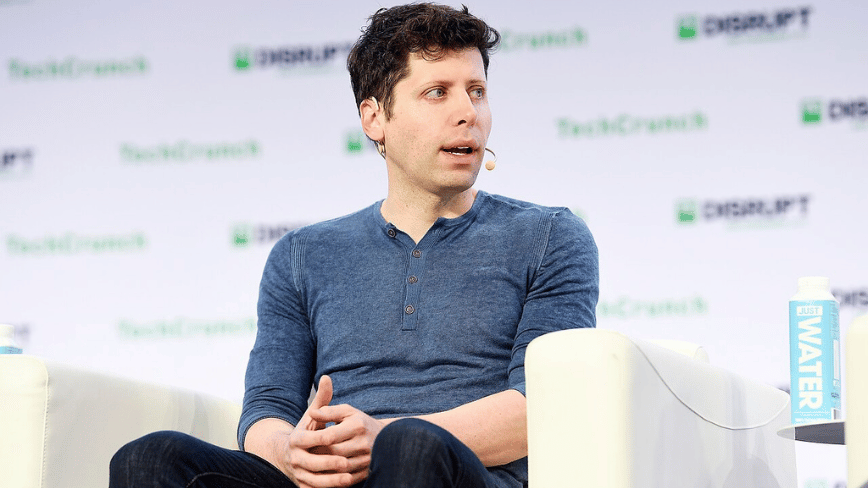
OpenAI Advocates for Robot Taxes, Public Wealth Fund, and Four-Day Workweek

Sam Altman’s 13-page policy blueprint, ‘Industrial Policy for the Intelligence Age,’ proposes auto-triggering safety nets, containment playbooks for rogue AI, and direct citizen dividends from AI-driven growth. He told Axios it is a starting point, not a prescription. OpenAI has published a 13-page policy document calling for sweeping economic reforms to prepare for what it […]

This story continues at The Next Web

IBM and Arm Partner to Integrate Mainframes into the AI Era

In short: IBM and Arm announced a strategic collaboration on 2 April 2026 to enable Arm-based software to run on IBM Z and LinuxONE mainframes, the platforms that process the bulk of the world’s regulated enterprise transactions. The partnership targets three areas: virtualisation to host Arm software environments on IBM hardware, security and compliance for regulated […]

This story continues at The Next Web
UBTech, Chinese Humanoid Robot Maker, Offers $18M to Hire Chief AI Scientist

UBTech’s salary range for Chief Scientist of Embodied Intelligence runs from $2.2M to $18M. The Shenzhen company’s humanoid robot revenue grew twenty-fold last year. Bloomberg calls the offer unusual even by Chinese standards. Chinese humanoid robotics company UBTech has posted a global recruitment notice for a Chief Scientist of Embodied Intelligence, offering an annual salary […]

This story continues at The Next Web
Which Telegram Growth Service Is Worth It?

Which Telegram Growth Service Is Worth It How can I grow my Telegram channels quickly? Are growth services for Telegram safe? What is the best SMM panel for Telegram? Can I grow a Telegram channel without ads? Do fake members hurt my channel? The answers to these questions define the modern growth strategy, and they […]

This story continues at The Next Web

The Rationale for Utilizing a Altered NASA Emblem in Apple TV’s Science Fiction Series “For All Mankind”

“For All Mankind” has received significant acclaim since its debut on Apple TV in 2019, and is regarded as one of the top alternate history TV series available for streaming at the moment. However, if you’ve viewed the show, you may have observed an intriguing design aspect. While “For All Mankind” features a wealth of invented science fiction elements, it also incorporates the NASA logo, albeit with a few alterations.

Rather than the authentic NASA emblem, the logo seen in “For All Mankind” has some notable modifications. Primarily, on the meatball-style logo, the red vector points in the reverse direction and moves behind the blue circle instead of crossing the front. Additionally, you’ll see that the circular “orbit” encircling the A and S letters in NASA has been adjusted.

Given the show’s homage to astronauts and the space race in general, you may wonder why the creators opted for a fictional NASA logo instead of the genuine article. Ron Moore, the creator of “For All Mankind,” explained that this decision was made to honor NASA’s regulations concerning the usage of its logo and branding.

Honoring NASA’s preferences

In a 2019 discussion with various media outlets, Moore and others associated with the project — including former NASA personnel — shared insights about the series. Moore disclosed why “For All Mankind” utilized a version of the NASA logo. He clarified that the alteration wasn’t due to any complications with the space agency, which some might have surmised given the show’s alternate history.

Rather, it was implemented to adhere to the branding policies NASA enforces, which essentially dictate that any use of the official NASA logo must accurately depict events as they unfolded. This is why the official logo appears in films based on true events, but not in alternative history shows like “For All Mankind.”

Garrett Reisman, a former NASA astronaut who served as a technical consultant on the series, revealed that they made attempts to secure the agency’s permission for the logo’s usage. However, considering the timing — just prior to the 50th anniversary of the Apollo 11 mission — it appeared to be too much to request from NASA.

Not an isolated issue for this series

Another participant in the interview, Gerald Griffin — who was a NASA flight director during the Apollo period — pointed out that this situation is not specific to “For All Mankind.” Moore further hypothesized that it could be partially connected to circulating notions about the Moon mission being fabricated. Ultimately, Griffin asserts that everything the agency handles is subjected to heightened scrutiny, and with the Artemis missions currently in progress, that attention is likely to escalate as more individuals focus on NASA’s developments.

However, considering how swiftly this space race series has emerged as a contemporary sci-fi classic, it’s likely a wise choice for the creators to err on the side of caution and utilize an unofficial logo, particularly given NASA’s centrality to the alternate historical narrative unfolding in the show. The story’s timeline extends from the Apollo missions into the 2010s. That encompasses a considerable expanse of newly conceived history, and employing the official NASA logo would probably have necessitated ongoing authorization for the plotlines, which would be difficult at best.

Cutting-Edge Technique for Generating Battery-Quality Lithium Addresses Various Issues

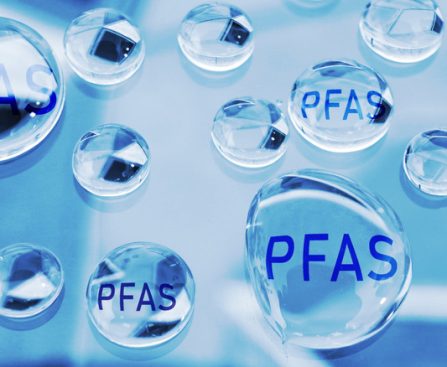
discovered to be present in 99% of bottled water. Typically, researchers have been searching for methods to eliminate these substances, as they do not seem to degrade naturally over time, hence their designation as “forever chemicals.” Nonetheless, one group of researchers appears to have proposed an alternative approach by finding a method to utilize forever chemicals to extract lithium, thus providing us with yet another means to acquire one of the essential elements required for the production of lithium-ion batteries.

Forever chemicals are more scientifically referred to as perfluoroalkyl and polyfluoroalkyl substances, or PFAS. They represent a category of synthetic chemicals that have been incorporated into various consumer goods since the 1950s due to their remarkable resistance to heat, water, and grease. Although some of the most prevalent varieties have been gradually eliminated over the years, they continue to persist in the environment and have even been associated with cancer. This is why there has been considerable effort from scientists to explore ways to eradicate them — such as bacteria that consume forever chemicals.

However, based on this innovative research, which employs forever chemicals to extract lithium from high-salinity brine pools, there may be a pathway not only to remediate the presence of forever chemicals in the environment but also to assist us in procuring more lithium as well.

How the process operates

<div class="slide-key image-holder gallery-image-holder credit-image-wrap " data-post-url="https://www.bgr.com/2135581/battery-grade-lithium-made-using-forever-chemicals/" data-post-title="This New Way To Produce Battery-Grade Lithium Kills Two Birds With One

Enhance Enterprise Architecture Excellence: Enabled by Naseej for Technology and Orbus Software | Naseej For Technology

Naseej for Technology has announced a regional partnership with Orbus Software, a global leader in enterprise transformation platforms, to deliver advanced enterprise architecture and transformation planning solutions across the GCC and MENA. The collaboration empowers public and private organizations to align strategy, governance, and innovation through best-practice frameworks such as TOGAF and ArchiMate.

The post Drive Enterprise Architecture Excellence: Powered by Naseej for Technology and Orbus Software  appeared first on Naseej For Technology.

Can AI Responses Be Influenced? The SEO Industry is Trying

Let’s pretend you work in IT and you’re looking for a new digital service desk platform to help your employees reset passwords or onboard new hires. You use Google’s AI Mode to search for suggestions, which quickly spits out a detailed answer listing companies to explore, their pricing, and what each option is best for. […]

How to Improve Your iPad with a 3D Printer

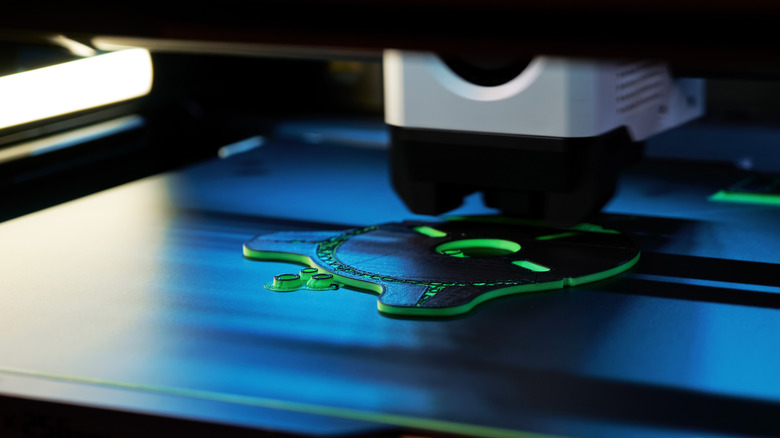
iPad accessory that you will utilize daily, you can leverage your 3D printer to design a custom stand or clamp for it.

A stand is perfect for holding an iPad upright on your desk or tabletop, whereas a clamp can be crafted to secure it to otherwise unstable surfaces such as workbenches or stationary bikes. Best of all, as you would be creating the design from the ground up, it can be customized to match your iPad’s specific dimensions, including any case. If you are a novice to 3D printing feeling apprehensive about making typical errors with your own designs, explore concepts for iPad-supporting projects on platforms like Printables and Thingiverse.

Any FDM printer and slicing software will suffice

In crafting models for 3D-printed iPad upgrades from the ground up, the first and most obvious requirement is a 3D printer. In particular, a fused deposition modeling printer, or FDM for short. These commonly used 3D printers utilize thermoplastic filament, melt it, and extrude it into solid shapes. Naturally, you will need some filament spools to accompany it, but you can acquire both an FDM printer, like the <a href="https://r.bttn.io?btn_ref=org-225e4e0aac880b8f&btn_url=https%3A%2F%2Fwww.amazon.com%2FF

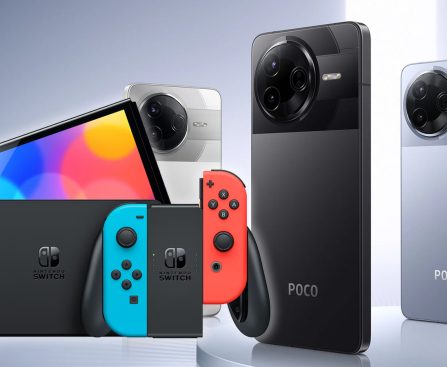
Five Android Smartphones More Powerful Than the Nintendo Switch

importation for access. Despite this limitation, its robust gaming capabilities and price make it a worthy option for emulators.

### ASUS ROG Phone 7

The ASUS ROG Phone 7 is tailored specifically for gamers, featuring the Snapdragon 8 Gen 2 processor alongside a dazzling AMOLED display with a 165Hz refresh rate. With options of 12GB or 16GB of RAM and up to 512GB of storage, it offers the necessary power for running Nintendo Switch emulators effortlessly. This phone supports customizable game profiles, enhancing the gaming experience while emulating titles with ease.

The ROG Phone 7 also incorporates an advanced cooling system, including vapor chambers and air intake vents, which helps maintain optimal temperatures during intensive gaming sessions. Additionally, the battery capacity stands at an impressive 6000 mAh, ensuring extended playtime without frequent charges. However, it’s important to note that its gaming-centric design may not favor users looking for a more versatile smartphone experience in everyday use.

Overall, the ASUS ROG Phone 7 strikes a balance between performance and features, making it an excellent choice for dedicated gamers interested in Nintendo Switch emulation.

### OnePlus 11

The OnePlus 11 represents a premium smartphone experience, powered by the Snapdragon 8 Gen 2 and equipped with up to 16GB of RAM. Its 6.7-inch AMOLED display delivers a refresh rate of 120Hz, ensuring seamless visuals for enhanced gaming experiences. With fast charging capabilities and a large battery, users can enjoy prolonged gaming sessions while minimizing downtime.

While it may not be designed exclusively for gaming, the OnePlus 11 provides sufficient power for emulation tasks and a well-rounded software experience. The OxygenOS interface is known for its smooth performance, offering an appealing alternative for gamers who also value everyday usability.

In conclusion, the OnePlus 11 is a solid option for users seeking a balance between gaming performance and overall smartphone functionality, making it suitable for Nintendo Switch emulation as well.