Specs has long been teasing the next version of its augmented reality glasses. A new partnership with Qualcomm promises some movement in that department.


Specs has long been teasing the next version of its augmented reality glasses. A new partnership with Qualcomm promises some movement in that department.

In short:Â Google has brought end-to-end encryption in Gmail to Android and iOS, closing the mobile gap that remained after the feature launched on the web in April 2025. Enterprise users on Google Workspace Enterprise Plus with the Assured Controls add-on can now compose and read encrypted messages directly in the Gmail app, with no extra […]
This story continues at The Next Web


Youâve just closed a massive deal with a dream enterprise client. Then, the email lands: âPlease send over your SOC 2 Type II report.â Panic sets in. You donât have one. You have a folder of screenshots, a few outdated policy documents, and a CTO who is already overworked. SOC 2 compliance software exists to […]
This story continues at The Next Web

Genki Kawamura’s adaptation of “The Exit 8” game is a chilling, looping thriller and a cinematic marvel. Movie review.

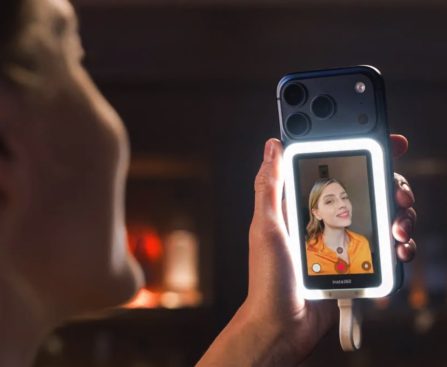
The iPhone 17 series has brought a selfie camera enhancement through a square sensor, enabling users to capture higher-quality selfies than before. Remarkably, users can take selfies in both portrait and landscape orientations without the need to rotate the phone. This minimizes the hassle of adjusting the device for the ideal shot. However, iPhone users who frequently take selfies and film themselves with the front camera might prefer utilizing the superior main sensor located on the back of the phone instead of the selfie camera. This is where an innovative new accessory from Insta360 proves beneficial. The Insta360 Snap Selfie Screen is a 3.5-inch magnetic display that attaches to the back of the phone, allowing users to employ the rear camera for selfies. Its ability to securely connect to the iPhone’s MagSafe ring is the reason most Android devices can’t easily utilize it.
If the Insta360 Snap seems recognizable, it’s due to a recent viral Kickstarter campaign proposing a similar idea to enhance iPhone selfies. The Selfix case is designed for iPhone 17 Pro users, featuring a small round display on its back. Although the Insta360 Snap is thicker than a case, it is compatible with more iPhone models. This magnetic monitor works with iPhone 15 models or later and is available for immediate purchase, so users won’t have to wait for a crowdfunding initiative to finish.
What can the Insta360 Snap accomplish
The Insta360 Snap will undoubtedly attract content creators, especially those who film themselves. It also appeals to iPhone users who frequently take selfies. Since it doesn’t have its own battery, the Snap draws power from the iPhone while connected. It includes a built-in USB-C cable, which is how it connects to the iPhone once it’s magnetically attached to the back of the device. According to Insta360, the monitor utilizes approximately 6% of battery life during 10 minutes of continuous use, so it’s advisable to turn the screen off or detach it from the phone when it’s not in use.
The Insta360 Snap features a 3.5-inch display with 550 nits of brightness and an 800×480-pixel resolution. The touch screen enables users to operate the camera app just as they would when using the iPhone’s screen. You can switch between cameras, zoom in and out, and take a picture. As the monitor mirrors the iPhone’s display, the Insta360 Snap is compatible with other camera apps as well, not just the iPhone’s pre-installed Camera app. Additionally, the Insta360 Snap comes with a protective cover that can fold over the iPhone display to prevent unintended screen taps.
Insta360 is presenting two variations of the Snap – a basic version and one with a light ring surrounding the display for those who frequently photograph in low-light conditions. The standard model begins at $79.99, whereas the Insta360 Snap Selfie Screen with Light costs $89.99. The more affordable option weighs 75.5 grams and is 7.3 mm thick, while the variant with a light ring is somewhat thicker and heavier at 8.2 mm and 88.6 grams.
What about support for Android?
Insta360’s promotional materials, images, and videos predominantly showcase iPhone devices, indicating that the Snap Selfie Screen is primarily aimed at Apple users. This is due to MagSafe being the crucial iPhone feature that ensures the Insta360 Snap remains securely attached. The monitor needs to be firmly affixed to the rear panel of the handset to allow use without the concern of it shifting. This is why Android devices are not represented in Insta360’s announcements or presentations, as they typically lack magnetic rings on their backs. However, the Google Pixel 10 series supports Pixel Snap, making them compatible.
Nevertheless, Insta360 has devised a solution for Android users who wish to take selfies utilizing the rear camera module with the Snap monitor’s assistance. The device includes a magnetic ring that can be affixed to the back of any Android phone. Alternatively, utilizing a MagSafe-compatible case with your phone is another option. Once properly set up, any phone can connect to the monitor as long as it supports screen casting via USB-C.
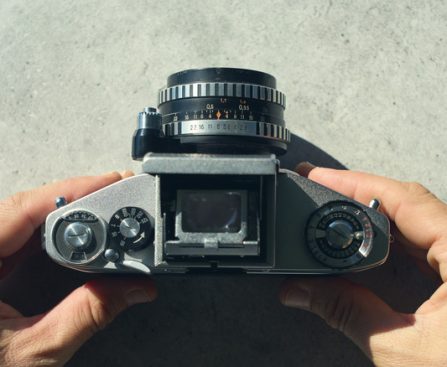
DSLR cameras available for purchase can deliver an exceptional photographic experience, and numerous smartphones also offer high-quality image capture. However, not everyone prioritizes top-tier image quality or premium camera equipment. For many, the joy of taking photos is what counts. Nevertheless, smartphones can fall short, as their touchscreen controls and awkward ergonomics can render the photo-taking process quite frustrating.
Just as there is a specialized photography device for every type of professional photographer, there exists a playful camera for every photography enthusiast seeking fun — and you don’t necessarily need to spend a fortune to document your daily moments. Companies like Kodak and Fujifilm produce cameras intended for amateur photographers, along with some emerging camera brands that cater to the same audience.
With years of firsthand camera usage and technological insights, we have curated a selection of cameras that enhance the enjoyment of photography. Within this selection, you’ll discover various compact models that are suitable for children and novice photographers, alongside some entertaining camera designs that focus more on image quality, appealing to seasoned photographers who might feel creatively stuck.
Similar to many cameras designed with user experience in mind rather than professional specifications, the Kodak Pixpro FZ45’s features won’t necessarily impress the experts. However, for individuals seeking a more camera-oriented experience compared to that offered by smartphones, the Pixpro FZ45 performs admirably. It boasts a 16-megapixel sensor paired with a 27mm lens. This is complemented by a 2.7-inch LCD screen and functionalities such as automatic face detection and red-eye
YouTube Premium has revealed a hike in the prices of its subscription offerings in the United States, impacting individual, family, and student plans. Beginning next month, the individual plan will increase to $15.99 monthly, up from $13.99. The family plan will jump from $22.99 to $26.99 each month, while the student plan will rise from $7.99 to $8.99 per month. The annual subscription will also escalate from $139.99 to $159.99.
This escalation in prices comes as YouTube has been increasing the number of ads displayed to free users and tightening its stance on ad blockers. Despite this increase, YouTube has not issued a formal statement via press release but has started informing users through email. The last price adjustment took place in July 2023, when the individual plan increased from $11.99 to $13.99 per month.
The timing of this price adjustment is significant, as YouTube has been intensifying its advertising for non-paying users. Paying subscribers are now confronting a price hike with little forewarning, which might not be well-received by numerous users. As YouTube Premium rates continue to ascend, it remains uncertain if Google will roll out new features to validate the price point.

### Tribit StormBox Micro 3: An Upgrade Worth Evaluating
The Tribit StormBox Micro 3 has made its debut, taking the place of the well-regarded Micro 2 model that has been a go-to for many users, myself included, over the years. Although the modifications may appear subtle, they deliver noteworthy improvements that could affect your purchasing choice.
#### Design and Portability
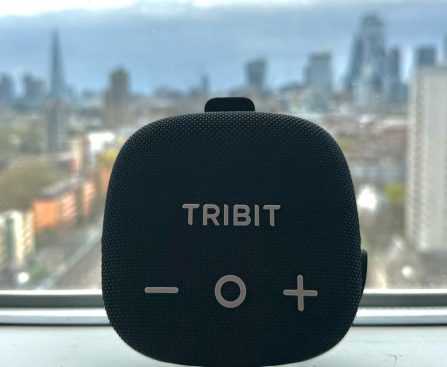
The Micro 3 preserves the small and portable design of its forerunner, measuring just a little over four inches square and under two inches in thickness. Weighing roughly the same as a soda can, it’s convenient to pack in a bag for travel. The black mesh design showcases large buttons for volume adjustment and playback, ensuring user-friendliness. Furthermore, it comes with a stretchable rubber strap suitable for securing to bicycles or backpacks, appealing to outdoor enthusiasts.
#### Key Features and Enhancements
1. **Audio Performance**: The sound output has grown from 10W to 13W, delivering a 30% increase in audio power. While this might not be critical for every user, it can enhance the auditory experience in larger or more chaotic settings.
2. **Battery Life**: One of the key enhancements is the upgraded 4800 mAh battery, which extends playtime from 12 hours to an impressive 24 hours. This means you can relish your music for more extended periods without the need for recharging.
3. **Waterproofing**: The Micro 3 has boosted its waterproof rating from IP67 to IP68, granting improved protection against water submersion. This upgrade brings peace of mind for those who may utilize the speaker in damp environments.
4. **Bluetooth Connectivity**: The Bluetooth version has been enhanced to 6.0, enabling a connection range that exceeds 140 feet. While this range might not be required by all, it does ensure a more reliable connection.
5. **Flexible Attachment Options**: A new magnetic attachment feature supplements the current strap, allowing users to conveniently stick the speaker to metal surfaces like refrigerators, adding to its versatility.
#### Pricing and Availability
The Tribit StormBox Micro 3 is available for $65, a slight increase from the Micro 2’s retail price of $60. However, an introductory price of $45.49 is offered until April 12th, presenting an excellent opportunity for those looking to upgrade or buy their first portable Bluetooth speaker.
#### Conclusion
Although the Tribit StormBox Micro 3 might not signify a revolutionary leap from its predecessor, the improvements in audio output, battery duration, waterproof features, and connectivity render it an appealing option for both new customers and current Micro 2 users. With the current introductory pricing, it stands as an enticing choice for anyone searching for a dependable and portable Bluetooth speaker.
YouTube Premium is getting more expensive in the US, with prices rising by $2 on standard individual accounts and as much as $4 for the family plan. The price hike is already in effect for new accounts, and is rolling out now for existing customers. Premium’s Individual plan now costs $15.99 per month, up from […]

Gen Z is increasingly disillusioned with AI – just not enough to stop using it. A new Gallup report released this week, based on responses from nearly 1,600 people ages 14 to 29 across the US, suggests the hype is wearing off for the digital-native generation as AI becomes more embedded in school and work. […]