

Rats Are Ruining Fiber Optic Internet Cables – And It’s a Larger Issue Than You Realize
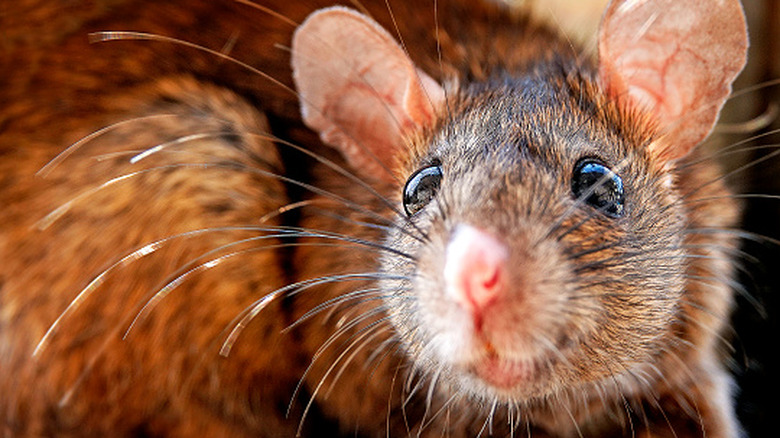
Every animal seeks shelter in one form or another, and given that humans construct the largest and most durable buildings, creatures like rats often congregate in human infrastructure. With no understanding of personal or public property, rats tend to gnaw on everything, from food to fiber optic cables. In early 2026, G.Network — an internet service provider based in London, England — declared bankruptcy due to numerous rats chewing through its internet lines.
Initially (as reported by The Telegraph), the competing internet provider Community Fibre was considering purchasing G.Network, but they retracted their offer because of the extent of the damage inflicted by the rats. This incident was merely the latest in a series of internet-related disasters caused by a group of rats (known as a mischief). In 2023, the entire Tring area (a borough in Hertfordshire, England) experienced a complete internet outage because nesting rats had chewed through multiple cables.
According to engineers at Openreach (via BBC) — the communications firm servicing that region — this was no simple task as the outer layer was so tough that typically, a drill would be necessary to penetrate it. Just last month, the internet in Doncaster, England, went offline because, unsurprisingly, rodents damaged the cables. It raises a question: since researchers can teach rats to operate small cars, could they potentially train them to chew through internet cables of foreign enemies to disrupt their communications?
Rats Disrupt Eco-Friendly Fiber Optic Cable Plans
Rats chew on virtually anything within their reach due to an uncontrollable instinct. In nature, rats utilize their incisors to forage for food, gather nesting materials, and assist in climbing. Since rats can’t discern between a forest and a basement, why would they behave differently when encountering a cable? Especially if it emits a food-like scent.
Rats could represent a serious risk to biodegradable internet cable coverings — such as those used by G.Network — as they are typically made from soy or corn-based materials. It’s well-known that rats possess an acute sense of smell which they employ for everything from finding food to recognizing other rats — scientists even developed a robot mimicking the scent of rats to trick them. Although biodegradable fiber optic cables are not yet widespread, rats could potentially detect them and, unable to distinguish between corn-based sheaths and genuine corn, munch on the cables, leading to additional internet outages.
When Openreach addressed the issue of rats gnawing through fiber optic cables, a representative described the occurrence as “rare,” but according to Community Fibre’s CEO, Graem Oxby, rats still target cables because they are “very tasty.” If companies begin using biodegradable cable coverings, the problem of rats chewing through cables could become a regular and pricey issue.
Rats Are Not the Only Creatures That Damage Cables
Rats are particularly dangerous to fiber optic cables due to their population size and exceedingly sharp incisors. However, rats are not the only rodent species, and related species also tend to damage other types of cables. Gophers are a considerable nuisance in various regions of the U.S., quickly consuming crops on farms. They are also known to chew through electrical wires, irrigation systems, water pipes, and buried fiber optic cables.
To complicate matters, gophers are significantly sturdier than smaller rodents, and repellents that are effective against mice fail to deter gophers. Squirrels also pose a threat to cable infrastructure. While not as numerous as rats, squirrel incisors match their sharpness, and they are better climbers, allowing them to access cables that rats cannot reach. In 2011, Time Warner Cable was forced to replace 87 miles of cable in New York due to damage caused by squirrels.
Moreover, squirrels have a greater impact on power grids and have been known to burrow into substations and chew on wire insulation. One of the most devastating squirrel incidents occurred in 1987 when a squirrel inadvertently cut power to NASDAQ. Traders were unable to operate for over an hour and a half, and even after the computers regained function, a sudden power surge damaged NASDAQ’s mainframe and rendered backup generators useless. Cyber terrorists would envy the level of disruption squirrels can inflict on electrical systems.