
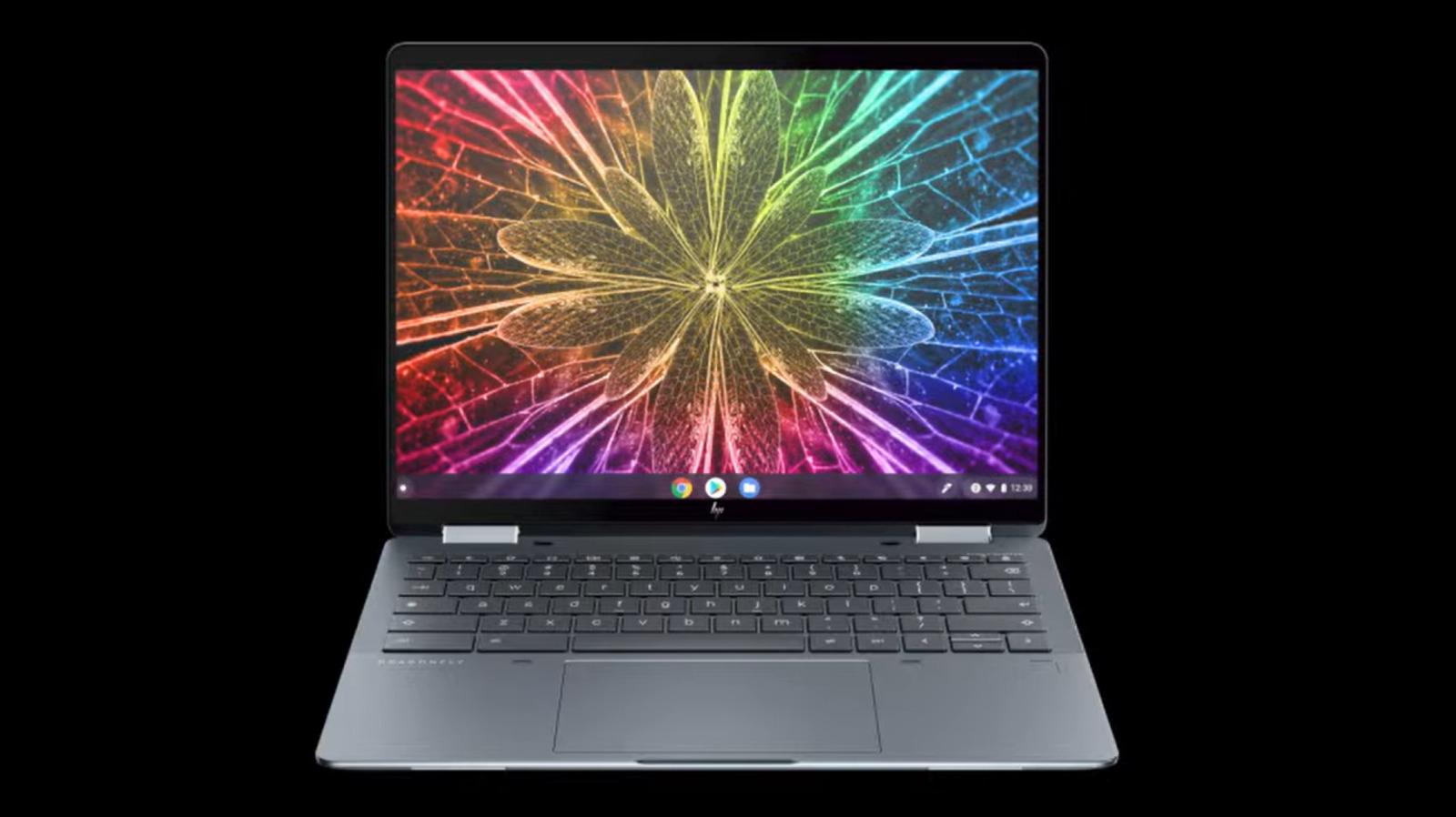

When visuals of Google’s Aluminum operating system surfaced online, Android enthusiasts rejoiced at the prospect of merging ChromeOS and Android into one platform. Despite Google’s historical separation of its PC and mobile systems, the new operating system indicates a more ambitious vision in the computing sector. Company representatives have praised the system for delivering on Google’s significant AI developments, with expectations that it will introduce a range of new Gemini AI features aimed at pushing Google’s computers ahead of Mac and Windows in the premium PC arena. However, whether users will embrace such features remains a separate topic.
In September 2025, Sameer Samat, head of the Android Ecosystem, stated during a presentation at Qualcomm’s Snapdragon Summit that bringing the two systems together was “something we’re super excited about for next year.” While describing this merger, Samat mentioned that Google was “redefining the ChromeOS experience by recalibrating the technology beneath it on Android.” The explanation was somewhat ambiguous. Nonetheless, a recent leak of the operating system, first reported by 9to5Google, provided fans with their initial glimpse of the new platform.
As of now, speculations suggest that Aluminum will operate on the high-performance MediaTek Kompanio Ultra-powered tablet Sapphire and the Intel Panther Lake-powered Ruby. However, a new report from The Verge has cast doubt on the hopeful timelines for Aluminum’s commercial launch in 2026. Referring to previously unreleased court documents from Google’s recent antitrust litigation, The Verge disclosed that Aluminum OS is not one of the major changes expected for Chromebooks this year. Instead, the court records propose a more pragmatic timeline, pushing the launch to 2028. Besides the release specifics, the documents outline a strategy for Google’s existing Chrome OS devices, bearing implications for both current and future users.
The insights arise from the federal government’s antitrust suit against Google, in which officials sought to compel Google to divest its Chrome internet browser amid ongoing monopoly issues. As per a court transcript shared with The Verge, while Samat indicated to the court that Google was “working diligently” towards a 2026 release, the transcripts implied that the expedited timeline was more aspirational than a concrete objective. Conversely, documents filed by Google indicated that the company’s “swiftest route” would involve releasing test versions of the operating system to a select group of “trusted” commercial users by late 2026, with broader releases—particularly for the “enterprise and education sectors,” which have a significant ChromeOS user base—currently aimed for 2028.
The report also highlighted the timeline regarding Google’s strategy for transitioning its operating systems. According to Google’s attorneys during the proceedings, the company is committed to its 2024 pledge to provide “10-year support” for existing Chrome OS users, which means support will last at least until 2033. Although this was not new information, court records clarified that Google plans to “phase out” the operating system almost immediately after this commitment lapses, suggesting that ChromeOS support would cease starting in 2034. Whether users can transition from Chrome to Aluminum is still uncertain. As John Maletis, Google’s VP of Product Management for Chrome OS, conveyed to Chrome Unboxed in January 2026, not all devices will automatically transition to Aluminum OS due to variations in technical specifications. Nevertheless, Google is reportedly “working on a way” to facilitate the migration of newer models to Aluminum.
In essence, the integration of ChromeOS and Android will enable users to run Android applications on their laptops, fostering cross-device compatibility akin to Apple’s offerings. At the Qualcomm Snapdragon Summit in 2025, Google VP of Devices and Services Rick Osterloh characterized the initiative as a “shared technical foundation” between Google’s two offerings, highlighting that this strategy will enable the tech giant to “capitalize on all the impressive work we’re doing collectively on our AI stack by introducing Gemini models—bringing our entire application and developer community into the PC sphere.” Ultimately, Google aspires for its Aluminum OS to emerge as a legitimate counterpart to macOS and Windows 11 within the premium PC sector.
Android supporters were given a glimpse of the emerging operating system in January 2026, when 9to5Google reported on two videos that inadvertently showcased early previews of the operating system’s user interface. Uploaded to a bug report on the Chromium Issue Tracker, the videos display screen captures of a split-screen Chrome development environment running on an HP Elite Dragonfly 13.5 Chromebook. Although limited in detail, the recordings depict Aluminum as the stylistic and functional offspring of Chrome OS and Android 16. Observers speculate that Aluminum will likely adopt Android’s big-screen approach, featuring some aesthetic modifications like a taller taskbar and design elements from both operating systems. Even though the leaked visuals are somewhat indistinct, experts quickly note that both the Android 16 icon and the Aluminum OS build number