

Dedi rinaldi08/Shutterstock
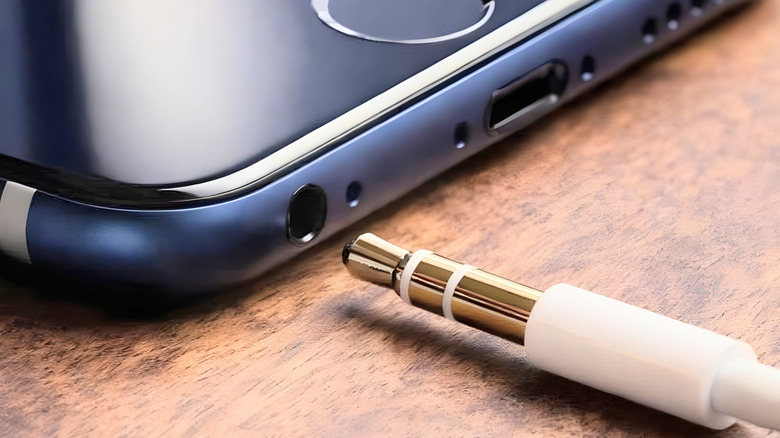
In the last ten years, smartphone producers have increasingly eliminated the 3.5mm headphone jack. Apple led the way with the iPhone 7, making the Lightning port the main connector for charging and wired audio devices. Initially, this move was deemed an unnecessary design alteration.
Over time, as additional manufacturers adapted similarly, users argued that by omitting the port, companies were nudging customers towards earbuds and wireless headphones, creating an undue financial burden. Nevertheless, the trend persisted, and now only a handful of smartphones retain a headphone jack.
Frequently mentioned motives for the removal of headphone jacks by smartphone brands comprise enhancing the phone’s slimness, liberating internal space for essential components, eliminating a potential entry point for dust and moisture, and boosting audio quality. While the latter might be subjective, the transition to USB-C connectors also heralded digital audio, which is widely viewed as superior for sound fidelity. Whether you support the shift from 3.5mm jacks to USB-C or not, smartphone manufacturers have predominantly phased out the former, leaving disgruntled consumers to adjust.
USB-C allowed for sleeker phones and created additional space
Dedi rinaldi08/Shutterstock
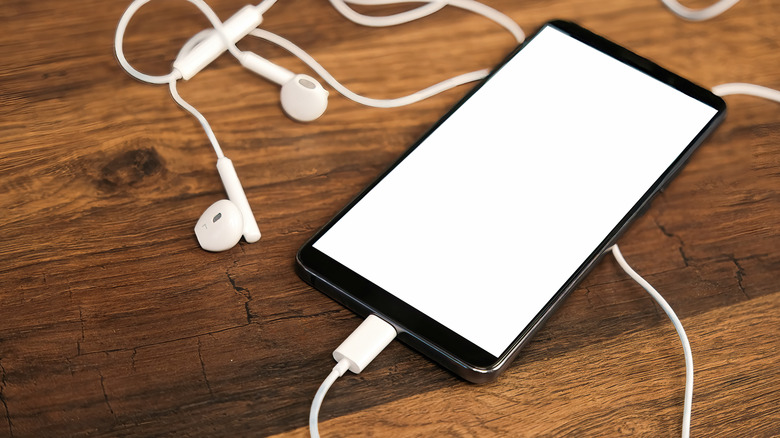
The transition to USB-C has played a significant role in enabling manufacturers to create slimmer phones while also providing more room for other critical components within the device. The elimination of the headphone jack has been a pivotal factor in this regard.
By using USB-C connectors, manufacturers have not only streamlined the phone’s design but also embraced digital audio technologies, which are often perceived as delivering superior sound quality compared to traditional analog systems. This change has been welcomed by many, even as it has led consumers to adapt to new audio accessories.