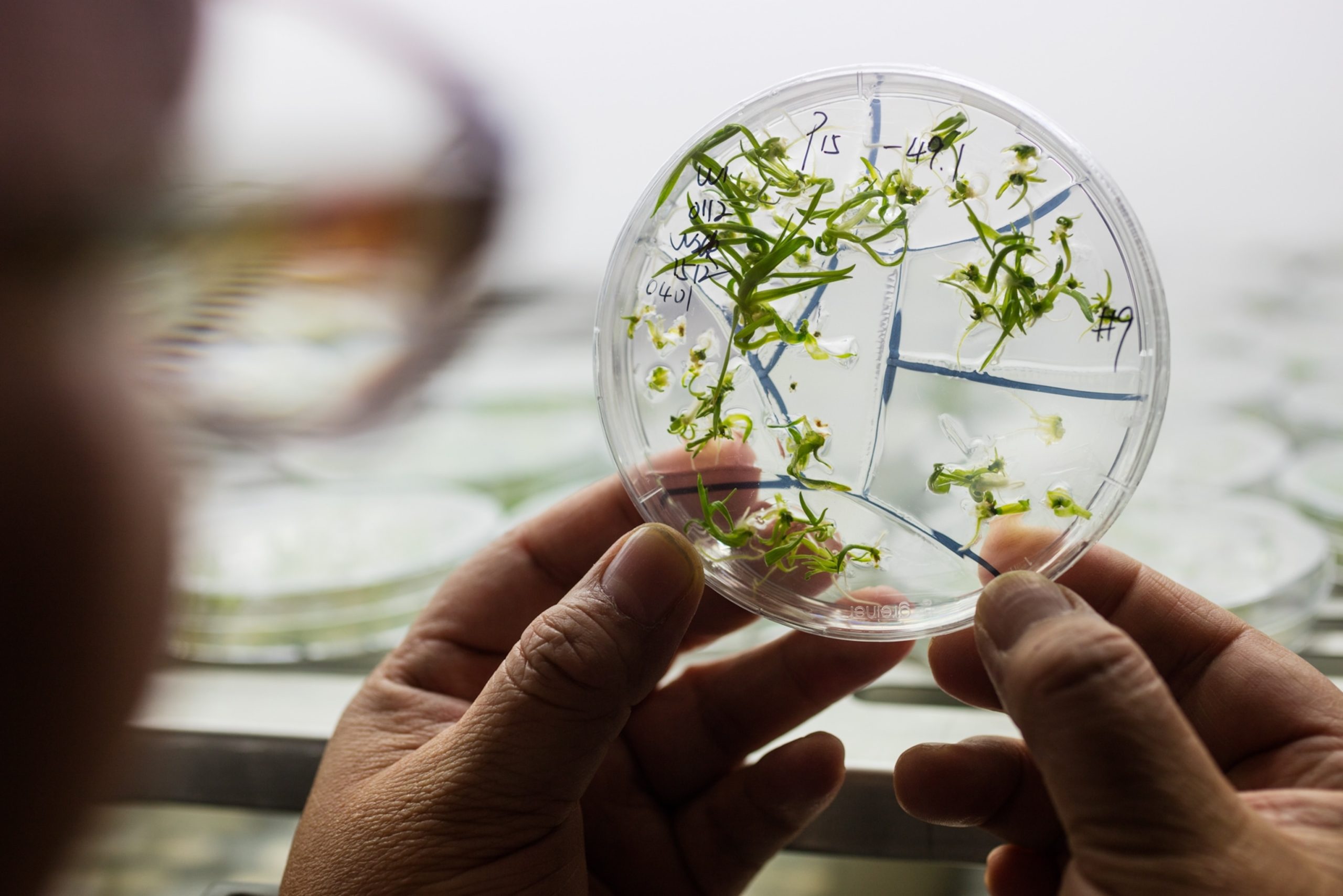
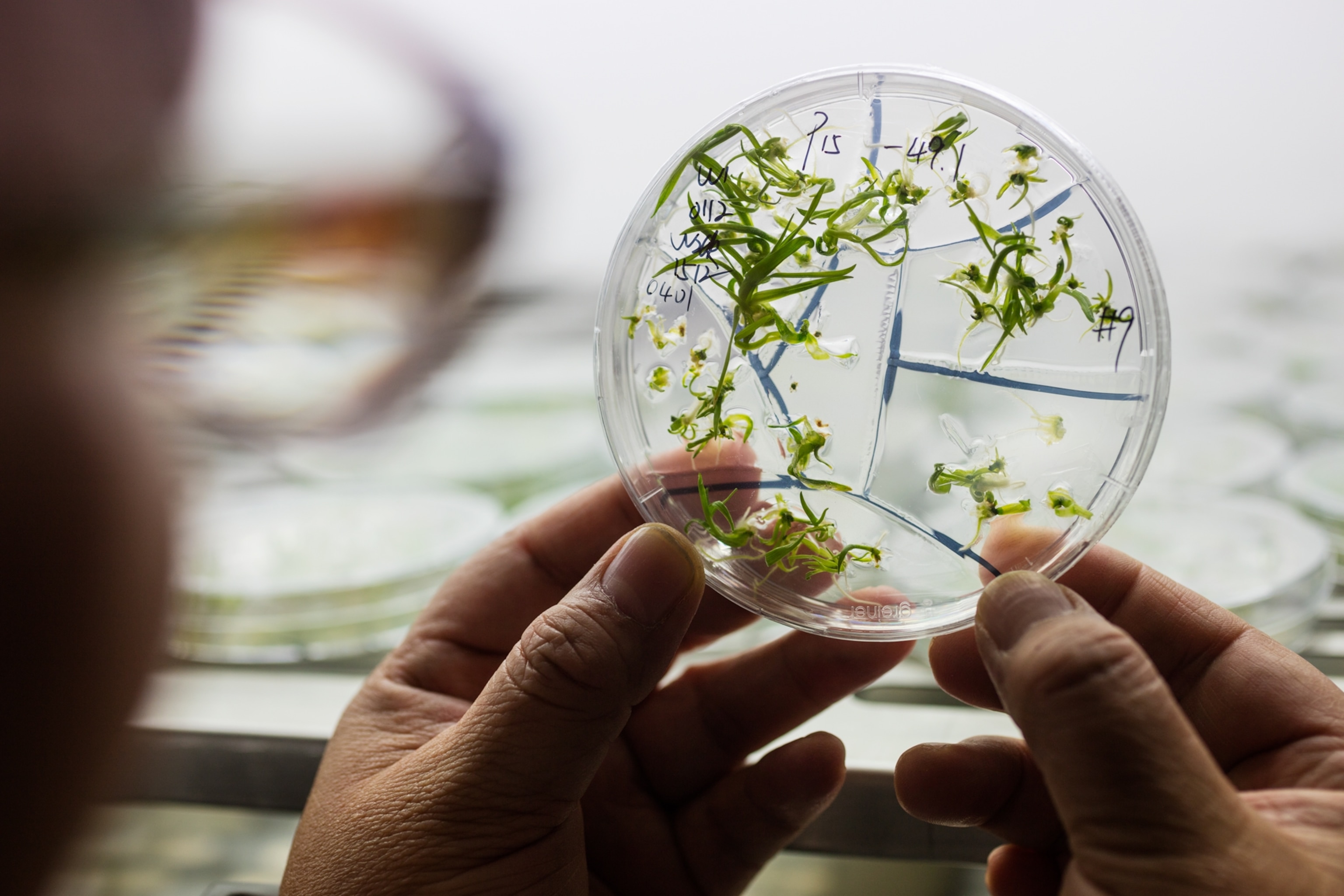
slowing the aging process. Utilizing the gene editing technology CRISPR-Cas9, a research group at Georgia State University has reintroduced a revamped version of the ancient enzyme gene uricase into human liver cells. The laboratory experiments yielded promising results, suggesting a future in which humanity could be free from the debilitating joint pain associated with gout. The concept is straightforward yet audacious: to reinstate a fragment of our evolutionary past to address contemporary health challenges.
Currently, the experimentation takes place in petri dishes rather than in human subjects. No treatments have been administered thus far, and human clinical trials have not commenced, but the potential ramifications are significant. The ability to reintroduce previously lost genes signifies that we have a new tool to combat modern diseases and enhance the quality of life.
