Critical Devices to Stay Linked through Ethernet Ports

We may earn a commission on purchases completed through links.

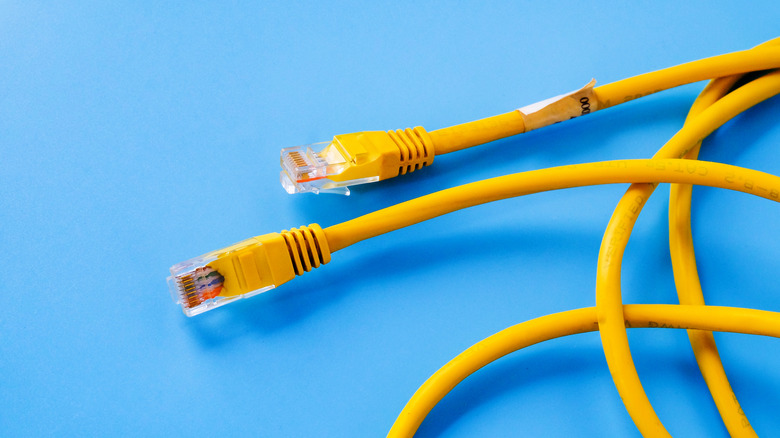
Residences and commercial spaces are filled with internet-linked gadgets we can’t do without. Smart lighting, surveillance cameras, and thermostats depend on Wi-Fi for operation, but an overloaded network is one of the quickest ways to degrade performance. Luckily, most routers are dual-band, if not triple-band, nowadays, but nothing beats a wired Ethernet connection to your router.

Contemporary Ethernet ports commonly provide speeds ranging from 100 to 1,000Mbps, but speeds can reach up to 2.5, 5, and even 10Gbps based on the device you’re utilizing. By connecting a single Cat5, 6, or 7 cable between your web-enabled devices and router, you’ll enhance bandwidth available for smart home appliances and other devices that operate solely wirelessly.

Here’s a rundown of five devices you should consistently connect to Ethernet ports. We made an effort to cover a variety of product categories, and we also included links to a few specific products available for purchase right now.

Smart TVs and streaming devices

Streaming services have exploded in popularity, making smart TVs and streaming gadgets essential for any entertainment setup. Connecting these devices via Ethernet not only reduces interruptions but also enhances video quality by maintaining consistent bandwidth. Whether you’re binge-watching your favorite series or hosting a movie night, a stable connection is a must.
8 Devices Expected to Experience Price Hikes Due to RAM Shortage

We may earn a commission on purchases made through our links.

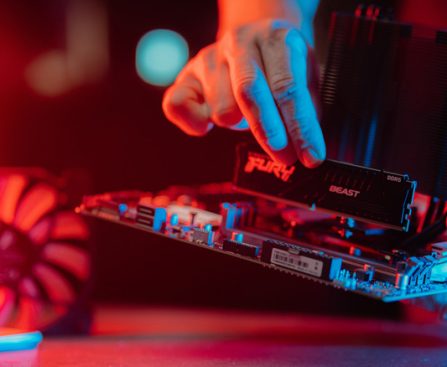
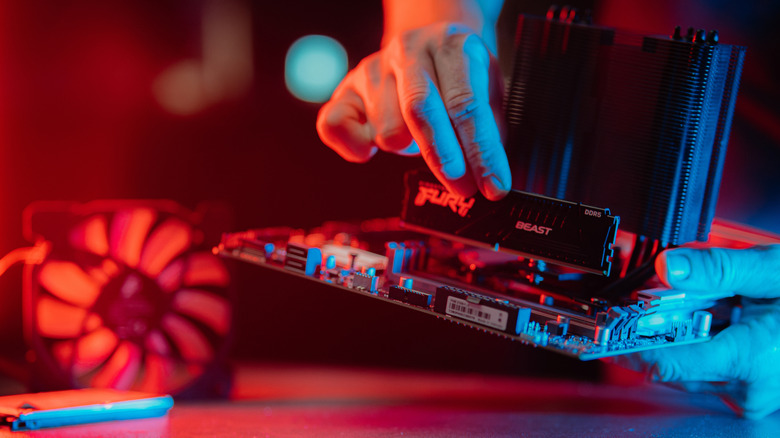
The artificial intelligence sector is thriving, with leading tech firms pouring substantial amounts of money into AI to maintain their competitive edge. Concerns about AI technology are widely recognized, as individuals fret over the job market, the rampant dissemination of false information, and — importantly — the escalating RAM shortage. AI data centers, which are heavily dependent on RAM to fulfill their substantial computing needs, have led to an unprecedented scarcity in the market. The fact that RAM prices surged by 90% in the first quarter of 2026 compared to the last quarter of 2025 serves as clear evidence of this trend. OpenAI, arguably the foremost player in the AI field, has secured an astonishing 40% of the global DRAM supply for the years to come, compounding this issue.

Compounding the problem, everyday consumers who infrequently use AI tools are adversely affected by this RAM scarcity. Every smart gadget and processor-heavy system necessitates RAM for optimal functionality. Smartphones, gaming consoles, IoT devices, and computers are merely a few of the numerous entities suffering from this dilemma, compelling manufacturers to either suspend production or impose a significant markup to account for rising RAM prices. In any case, the overall impact is detrimental for consumers. If you’re considering a tech upgrade, be aware that these products will increasingly strain your finances, a situation likely to worsen as the AI sector continues to expand.

Gaming consoles and handhelds

Safe Techniques for Cleaning Your Phone’s Speakers

thoroughly clean your phone from time to time and regularly wipe the screen, and it’s certainly beneficial to know techniques for clearing out your dusty charging port. However, even with routine phone maintenance and keeping it snug in one of the top cases available, the tiny speaker openings on your device will remain susceptible to dust and dampness.

If you’ve been experiencing muffled phone calls and similarly compromised audio from your device’s speakers, it’s quite likely that the grilles require a comprehensive cleaning. No need to fret, though: with a little perseverance and the correct tools (and don’t worry, they’re not too many), you’ll restore those speaker ports to their like-new condition.

First things first, let’s collect our materials: You’ll need a soft-bristled brush (like a toothbrush or a smaller paintbrush), a couple of non-scratch dental picks, a handful of cotton swabs, and isopropyl alcohol. The latter is optional, but it’s one of the most effective means to disinfect the surrounding areas after extracting a bunch of debris from your speaker grilles.

Gather your supplies, which likely just means reaching into your medicine cabinet

Typical Lifespan and Shelf Life of AA Batteries

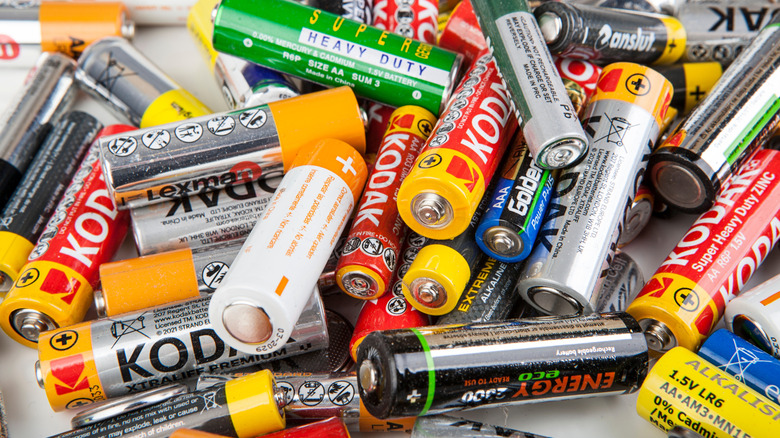
There are likely many items you store away in drawers for occasional use that you aren’t aware actually have an expiration date. One such item is AA batteries. Although they don’t “expire” like food does, they do have a limited shelf life. It’s alluring to purchase a large pack in bulk to retrieve a few as needed for remote controls, toys, and other electronic devices that require batteries. This could even be years after you originally purchased them for a device that doesn’t need battery replacements often, such as a TV remote, wall clock, or smoke detector. However, it’s crucial to recognize that they do have a shelf life that requires attention.

That said, most alkaline AA batteries can last quite a while, potentially up to 10 years or more. Nevertheless, you might discover a pack you had forgotten about or a supply your older parent or grandparent has stored for years, assuming they “never go bad.” It’s vital to grasp the average lifespan of AA batteries. Utilizing them past their intended duration could be hazardous if there are indications of leakage, swelling, or corrosion, in the worst cases, or they might simply fail to operate, or not perform at optimal efficiency, in the best scenarios.

Duration of AA Battery Life

Variations Between European and American iPhones

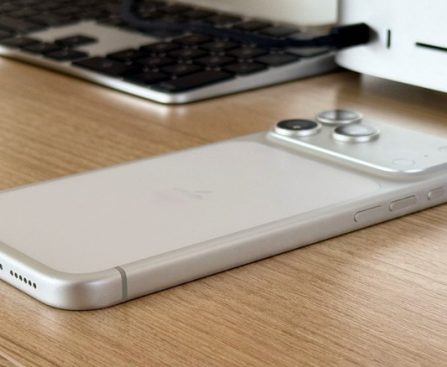
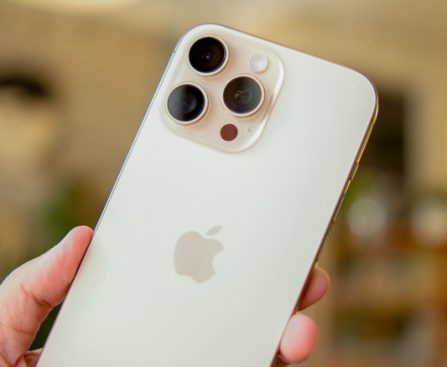
Typically, European iPhones differ from those in the U.S. because of local laws, as Apple must adhere to various Digital Markets Act (DMA) adjustments in the area. However, additional factors contribute to the distinctions between European and American iPhones. For instance, iPhones in the U.S. and some other areas are exclusively eSIM. Therefore, if you are considering purchasing the iPhone 17 series in the U.S., you will receive a device that does not support a physical SIM, which leads to approximately 5% increased battery life.

A further advantage for iPhones in the U.S. is the support for mmWave. Yet, this lightning-fast 5G connection is only available if you are using a compatible carrier in the nation. Notably, Apple has also introduced hardware variations across different regions. iPhones sold in China come with dual physical SIMs, while Japanese iPhones continuously emit a shutter sound whenever a photo is taken.

In Europe, an iPhone purchase will closely resemble most iPhones available internationally. This indicates that it will include a SIM tray compatible with one physical SIM and will offer standard 5G functionality, but excluding mmWave. Conversely, the iPhone Air will adopt a similar approach to the U.S. with an exclusive eSIM version. Nevertheless, as previously noted, software differences in European iPhones can be quite significant, but only if you possess a European Apple Account.

European regulations result in substantial differences for iPhones compared to American versions

The Intricate Procedure and Schedule of Refueling a Nuclear Submarine

charge your mobile device on a daily basis, while your automobile requires refueling or a battery maintenance every few days. Yet, you don’t need to disassemble the gadget or vehicle when you attach it to a power source or replenish the fuel tank. Conversely, supplying fuel to a nuclear submarine is a complex undertaking that spans years, akin to the refueling of a nuclear aircraft carrier. However, unlike carriers that may undergo the Refueling and Complex Overhaul (RCOH) process for up to six years, a nuclear submarine typically completes its Engineered Refueling Overhaul (ERO) process in a shorter duration. This task can be accomplished in two to three years, provided that unforeseen events do not introduce additional delays. In addition to the safe extraction of the nuclear core from the submarine and the installation of a new core that will power the vessel for another couple of decades, the engineers also conduct the overhaul process aimed at updating the equipment to modern standards.

Taking a submarine offline for several years might appear to be a security concern, but the U.S. Navy operates 71 submarines across various classes. Every one of them is powered by nuclear reactors capable of functioning for decades. Additionally, new submarines are continually being constructed. Lastly, not every submarine class currently in service necessitates refueling. Virginia-class and Columbia-class designs are equipped with nuclear cores designed to last for the full lifespan of the vessel, approximately 33 years and 43 years, respectively. It is the Ohio and Los Angeles class models that will require mid-life ERO processes.

What occurs during a submarine refueling?

Recovery of the Initial Transatlantic Internet Cable Following Almost 40 Years

how you can effortlessly transform outdated telephone wiring into Ethernet. Nevertheless, TAT-8 was ultimately decommissioned in 2002 following an irreparable fault — irreparable due to the prohibitive cost of repairs. Even so, it remains on the ocean floor to this day.

Subsea Environmental Services is presently extracting the cable from the seabed, after which it will be recycled. The overarching goal, however, is to clear the seabed where the TAT-8 cable lay for years to allow for new cables — utilizing an established cable route for any forthcoming, essential communication cables is the objective.

Although it might appear to be a straightforward task, the cable must be coiled manually to safeguard the fragile components inside, such as the glass fibers, making it quite a slow, deliberate process. The materials of the cable hold significant value, particularly the copper conductors, which are becoming increasingly critical in light of an anticipated copper shortage in the upcoming years. It certainly makes sense to recycle TAT-8 rather than discard it completely.

No TAT transatlantic cables are currently in operation

<div class="slide-key image-holder gallery-image-holder credit-image-wrap" data-post-url="https://www.bgr.com/2116741/worlds-first-transatlantic-internet-cable-tat-8-pulled-from-ocean/" data-post-title="The First Transatlantic Internet Cable Ever Is Being Pulled From The Ocean After Almost 40 Years" data-slide

Five Cutting-Edge iPhone Add-Ons from External Developers

popular iPhone accessories you should evade, the products listed here have a certain flair while still offering something useful. Naturally, they boast their own distinct style as well. Adorning your iPhone goes beyond mere physical items, as many of the same principles for selecting iPhone gadgets can also be applied to the Apple App Store. This is why you might want to explore 10 of the top free iPhone applications you’ve yet to discover.

LvShuLiangPin Anteel Silicone Suction Case Mount

Priced at $6.99 on Amazon, the LvShuLiangPin Ante

The Explanation for Why Keyboards Come with Two USB Cables

If you’ve recently acquired a new keyboard and observed that it includes two cables rather than one, it may have seemed unusual. The majority of keyboards are equipped with a single cable, and even those that have two can function properly with just one connected. That second cable isn’t a backup meant for when the first one fails; it’s connected to extra features on the keyboard such as USB passthrough or RGB lighting.

Typically, the dual-cable configuration is seen in higher-end gaming or mechanical keyboards, like the Logitech G513 Carbon or Corsair K70, both of which are loaded with features. One cable transmits keystrokes and commands related to the keyboard to the computer, while the other cable supplies power or connectivity for the additional features. This is why the second cable might appear unnecessary — the keyboard still operates without it, at least for its fundamental purpose. However, if you invested more in a feature-rich keyboard, you’ll likely want to utilize the second cable to ensure you are maximizing your investment.

The other cable powers RGB lighting or USB passthrough

Washington Suggests Prohibition on Microchipping Technology

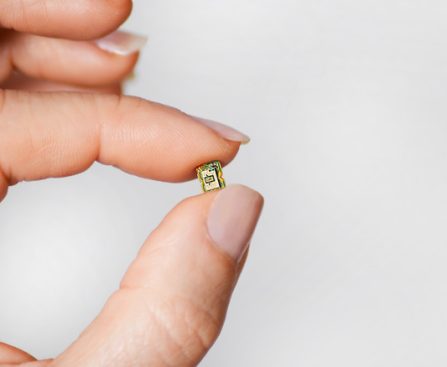
The Washington State House has enacted legislation that prohibits microchipping when mandated by employers. HB 2303 (downloads a PDF to your device) stipulates that businesses and employers must not “request, require, or coerce” employees into having microchips embedded in their bodies “for any reason.” If this seems somewhat dystopian, the legislation appears to be more of a precaution than a response—currently, there are no reports of companies enforcing such a requirement on their employees.

Subdermal human microchips do exist and can be utilized for various purposes. They can assist in identity verification or medical information, akin to how pet microchips function. These microchips can monitor vital signs, connect with prosthetic devices such as artificial retinas, unlock smart gadgets, facilitate contactless payments, provide access to restricted or secured areas, and much more. Notably, one Tesla owner had a key embedded in his hand (an NFC-enabled chip) to unlock his vehicle. Additionally, there are businesses that offer DIY microchip implant kits, although these are not officially sanctioned by any regulatory bodies or health organizations.

Naturally, opting to microchip oneself is entirely different from employers compelling this action. This legislation would prevent businesses from doing so and enact a minimum fine of $10,000 for a first violation and $20,000 for subsequent offenses. One might contend that this is a modest cost for a multi-billion-dollar company to maintain its own group of microchipped sales employees. The bill has already cleared both the House and Senate, and is now headed to the governor.

Washington is not the first and may not be the last

<div class="slide-key image-holder gallery-image-holder credit-image-wrap " data-post-url="https://www.b