
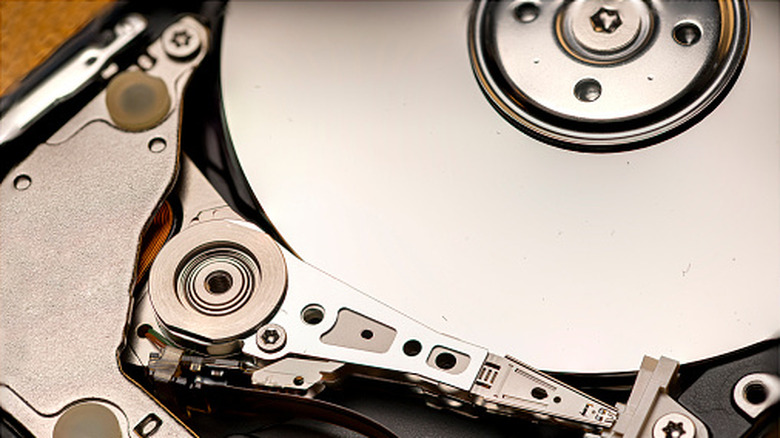

The largest HDDs available today surpass 30TB, with various drives employing helium to boost efficiency and accommodate additional platters within their casings. While SSDs have gained popularity, particularly among gamers, the forthcoming significant advancement in hard drive technology may involve… DNA? As in the helical structure that serves as the foundation of all life? Well, somewhat.
In September 2025, a group of researchers from the University of Missouri revealed their newest advancement in what can be described as a “DNA hard drive.” Their study, published in PNAS Nexus, presents the concept of transferring data onto a “universal DNA template” (presumably synthetic DNA) using heated microstaples of varying lengths. Imagine converting DNA molecules into punch cards through branding. The team encountered several challenges throughout their journey, including the high expenses associated with data transcription and the inability to alter information after it was recorded.
Nevertheless, the latest breakthrough employs a method similar to how viruses invade cellular DNA (known as “viral ribosomal frameshifting”) to inscribe data onto the universal DNA template without requiring synthesis or enzymatic procedures. In simpler terms, the researchers have simplified the process to be “rapid” and “cost-effective,” which could potentially pave the way for extensive future applications. Provided you’re comfortable with future computers functioning like the Animus from “Assassin’s Creed,” that is.