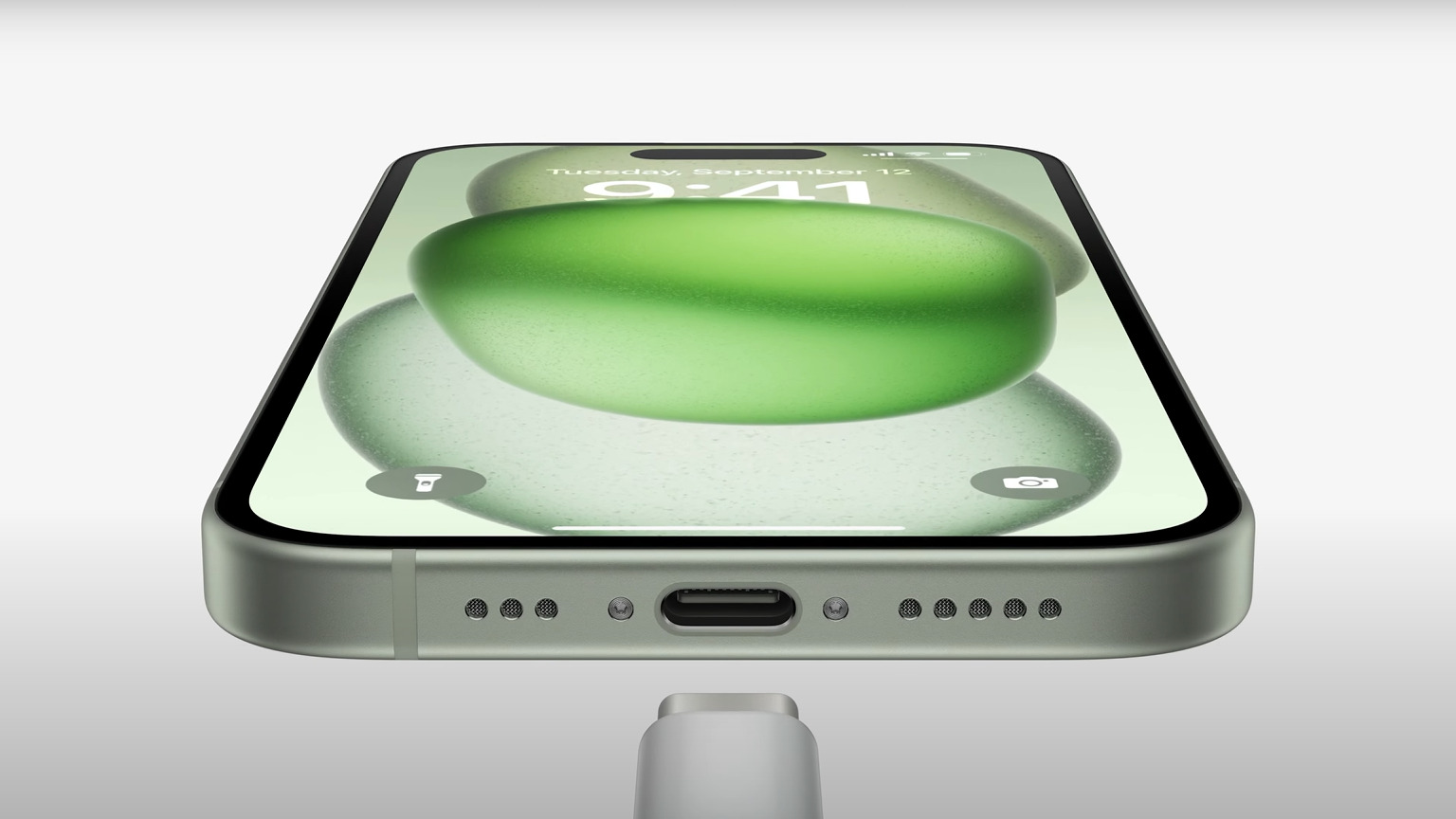
USB-C has become ubiquitous by 2025. If it seems like every new gadget you acquire, from smartphones to laptops and tablets, incorporates a USB-C port for charging, you’re not mistaken. USB-C has swiftly emerged as the predominant connector found in today’s technology landscape. This transformation isn’t merely a fleeting trend; it’s the tech sector settling on a more intelligent, efficient, and, crucially, universal standard connector.
The remarkable aspect of USB-C is its extensive capabilities. A single, reversible cable can rapidly charge your smartphone, move large files in moments, support video and audio, and even power a 4K display. This versatility marks a significant improvement from prior technology eras, where distinct ports and cables were necessary for power, data, and video interfaces. For manufacturers, streamlining ports results in sleeker designs and fewer compromises. For us, the consumers, it translates to reduced clutter in work environments and enhanced device compatibility.
Additionally, there is a movement from regulators, particularly within the European Union, encouraging tech firms to embrace a unified charging standard to diminish e-waste. That demand, coupled with USB-C’s evident performance benefits, has facilitated its widespread adoption across devices, including iPhones, Android devices, MacBooks, and Windows laptops.
