
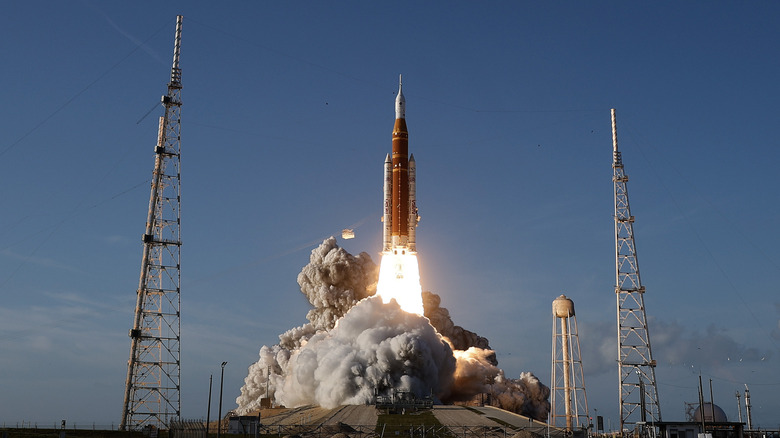

Artemis II has officially commenced, signifying the next phase of humanity’s voyage into space. This mission is the inaugural crewed Artemis flight, and it represents the first occasion in over 50 years that humans will return to the moon — since the Apollo era. Declaring that this mission carries substantial significance for the future of lunar and space exploration as a whole is somewhat of an understatement. However, if you haven’t been keeping up with the Artemis program since its beginning several years ago, here’s why Artemis II is an exceptional mission for space enthusiasts.
There’s a great deal happening at NASA in 2026, and Artemis II is just one aspect of that. Nevertheless, as previously mentioned, a key reason this mission is so remarkable is that it signifies a return to the moon for humanity. Although we landed men on the moon in the 1960s and 1970s, recent lunar endeavors have all been uncrewed. Even the initial Artemis mission was an uncrewed flight intended to assess the spacecraft’s capabilities and safety protocols. However, with Artemis II, NASA is finally closing the gap between unmanned and crewed missions, demonstrating its ability to send humans to the moon.