


Sussa Mgt/Shutterstock
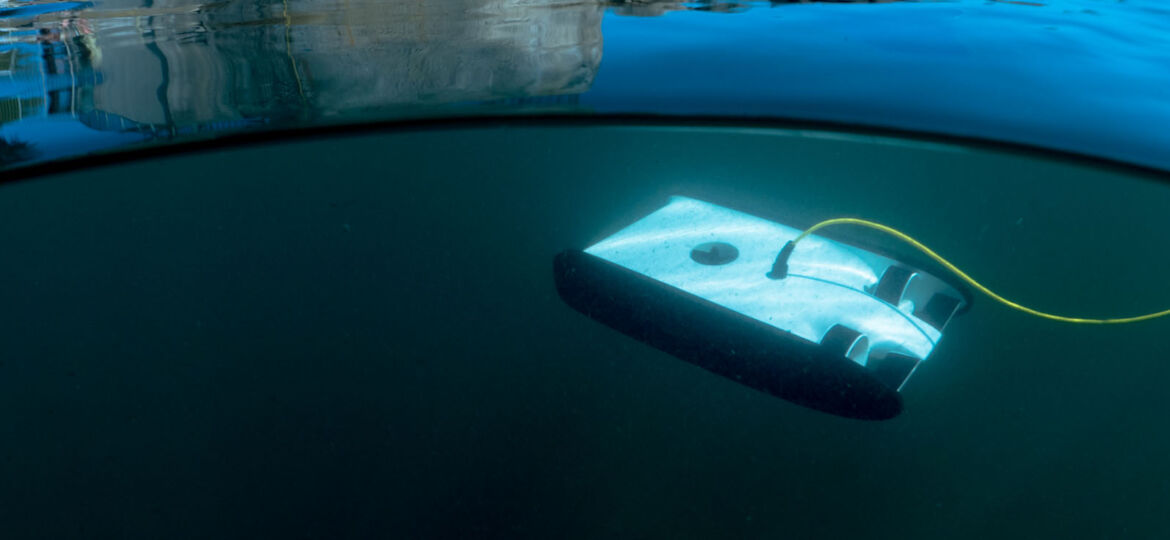
Lithium-ion batteries have volatile electrolytes that render them prone to catching fire, even when used in an underwater drone. On February 4, 2026, a 12-foot-long underwater drone ignited while being moved on a trailer along Route 24 in Tiverton, Rhode Island. The drone was reported to possess a “significant amount” of lithium-ion batteries, leading to the need for a hazmat team from the Department of Environmental Management to safely manage the flames from the batteries.
Even though this event took place on land, it illustrates how lithium-ion batteries can ignite in various environments, including underwater. In fact, when a lithium-ion battery is submerged, it can be more prone to igniting. Lithium, being a highly reactive chemical element, interacts with water molecules, which can lead to a reaction that produces heat; sometimes sufficient to initiate a short circuit, fire, or even an explosion.
The occurrence in Tiverton exemplifies how even a slight external disturbance can trigger a chemical fire within a lithium-ion battery. Aside from generating heat through chemical reactions, the battery can emit flammable gases that can further fuel the fire. Subsequently, the battery may undergo thermal runaway, a phenomenon where the fire continues to sustain itself indefinitely. In Tiverton, the Route 24 on-ramp was closed for three hours as the hazmat team methodically cooled the batteries to prevent the consequences of thermal runaway.