
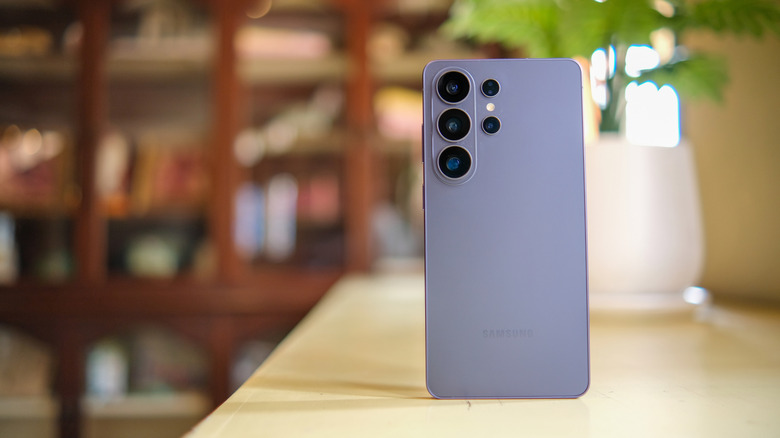

the Galaxy S26 lineup in February 2026, unveiling the trio of devices that enthusiasts have anticipated: the standard Galaxy S26, the Galaxy S26 Plus, and the Galaxy S26 Ultra. These three variants are available for purchase in the U.S., Europe, and other global markets, yet Samsung does not provide perfectly uniform versions in all areas. As speculations indicated in the months leading up to the Galaxy S26 launch, the American and European markets have access to two fundamentally distinct Galaxy S26 series, as Samsung has utilized two different chips for some of the three devices: Qualcomm’s Snapdragon 8 Elite Gen 5 chip specifically designed for the Galaxy S26 series (the one that carries the “for Galaxy” label) and Samsung’s own Exynos 2600 chip. This serves as the primary distinction between the U.S. and European Galaxy S26 phones.
Samsung has implemented this dual-chip approach for Galaxy S flagship devices multiple times in the past. Since 2020, only the Galaxy S23 series and S25 series featured the same processor across regions (previous Qualcomm chips). However, Samsung isn’t the sole company to produce varying versions of flagship smartphones for different markets. For instance, there are variations between American and European iPhone 17 models, as those available in the U.S. lack physical SIM cards and come with slightly larger batteries. Nevertheless, unlike Samsung, Apple must also modify the software experience in Europe to comply with local regulations. The Galaxy S26 software experience, which is comprised of Google’s Android with Samsung’s One UI interface layered on top, remains almost indistinguishable across regions.
Other minor distinctions in the Galaxy S26 include the ability to support two physical SIM cards in the European models instead of one in the American versions. Conversely, American Galaxy S26 models include 5G mmWave support compared to 5G Sub6 for the European counterparts.