On Tuesday, Spotify expanded its Prompted Playlists feature to include podcasts, an update that could make it easier for Premium users to find new shows to listen to. Prompted Playlists were originally launched as a beta feature in December, but previously only worked for music. You can use the feature to effectively generate customized Discover […]

Reasons for Speaker Distortion in Vehicles at Elevated Volume Levels
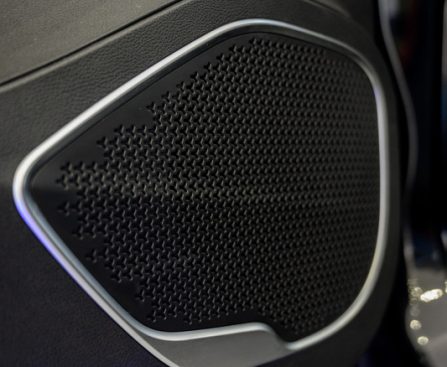
Apple CarPlay and Android Auto simplify the process of streaming albums, artists, and playlists using just a smartphone and Bluetooth. Although the music may originate from your phone or another source, you remain dependent on your car’s audio system. They represent a category of consumer technology where the possibilities are endless, and spending thousands of dollars on a high-end speaker setup is not unusual. Nevertheless, even a new car with factory-installed speakers can encounter problems, notably the primary speaker culprit: crackling. Specifically, we refer to the kind of crackling that occurs as you increase the volume.
This typically takes place because your vehicle’s speakers are connected to the integrated stereo receiver of your car’s infotainment system. That receiver contains a built-in amplifier that supplies a limited amount of power to your car speakers. If the factory-installed sound system cannot provide sufficient power to each channel, the outcome is often a crackling, distorted sound emanating from one or more speakers.
Overusing your car speakers might even lead to physical damage to them, with a damaged cone or broken voice coil certainly introducing crackling. That being said, if you enjoy blasting music at maximum volume, it could be time to consider investing in an aftermarket amplifier and a dedicated subwoofer.
Speakers can handle only a limited amount of power, and car speakers are no different
Grasping the Function of the Ethernet Port on Your Display
MacBook Neo often bypasses built-in Ethernet ports completely. When connecting an Ethernet cable from your router to your monitor’s docking station, the monitor is capable of relaying the signal to other devices linked to its USB ports. However, it’s important to remember that not every monitor featuring USB-C or USB-A docking capabilities comes with Ethernet connectivity. The value of utilizing your monitor’s Ethernet port is determined by your specific use cases and connectivity needs.
The advantages of utilizing a monitor with an Ethernet port
The primary advantage of employing an Ethernet monitor as your external display lies in its dock-like features while providing wired internet access to your laptop. Numerous users find Ethernet connections to be more dependable than Wi-Fi; they provide reduced latency and increased connection speeds, particularly in households filled with multiple electronic devices. If your monitor comes equipped with an Ethernet port, it can significantly enhance your wired networking capabilities without the need for extra accessories, such as docking stations or USB-to-Ethernet converters, the latter allowing you to attach an Ethernet cable directly to your computer’s USB ports.
If you prefer Ethernet over Wi-Fi, utilizing the LAN port on an external monitor or a <a href="https://www.bgr.com/2105850/best-docking-station-gaming-laptops-