
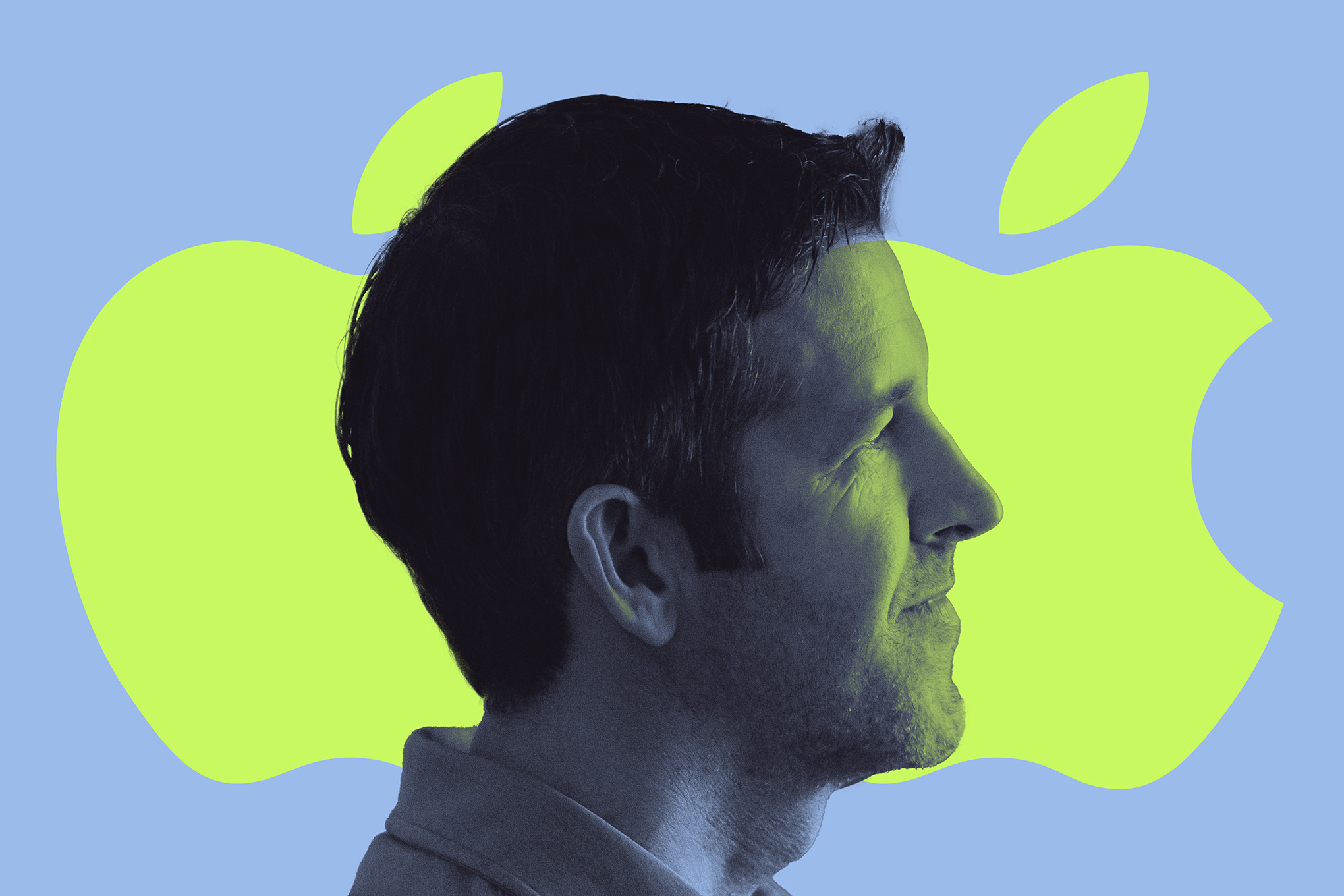

Less than a year ago, Apple made headlines for a lack of AI announcements at its annual WWDC event. Now, ten months later, the company has announced John Ternus as the successor to longtime CEO Tim Cook, without mentioning AI in its press release. Ternus, currently Apple’s SVP of hardware engineering, will take over as CEO on September 1st. He is a 25-year veteran of the company and the first Apple CEO in about 30 years to hail from the hardware sector, having led work on every iPad model as well as the latest iPhone family and AirPods. The announcement emphasized Ternus’s work on improving noise cancellation, hearing health upgrades for AirPods, introducing the MacBook Neo, and increasing device durability and repairability, but made no mention of AI plans. With Apple’s AI assistant offerings garnering attention after unfulfilled promises, this omission is noticeable.
Apple has developed a reputation for lagging behind competitors in the AI race, with Siri lacking the capabilities of rival products from Google, Microsoft, OpenAI, and Anthropic. While Microsoft and Google have heavily integrated agentic AI features into their operating systems, Apple has refrained, and their attempts like the Apple Intelligence notification summaries have been criticized. However, over-integrating AI isn’t necessarily beneficial, as seen with Microsoft’s backlash over AI integration in Windows 11. Apple’s thoughtful, well-designed, and simplistic approach could be advantageous if Ternus can advance their AI systems effectively.
Despite integration considerations, Apple still faces challenges with actual AI assistant features, where it has fallen behind. Meanwhile, other AI labs have been advancing agentic AI systems designed for complex and multistep tasks. While Apple has a history of entering product categories late but with strong entries, this time it has failed to deliver on promises. At the 2025 WWDC, Apple executives touted Apple Intelligence, but postponed personalization features for Siri, initially promised in 2024, to a rollout across the next year. Ads from 2024 displayed Siri with features that have yet to be delivered, and there is still no official timeline for the new Siri’s arrival as WWDC 2026 approaches.
Recently, Apple leaned on OpenAI’s ChatGPT to bridge some of Siri’s gaps, integrating ChatGPT into Apple’s Image Playground and incorporating visual intelligence features. In January, a deal was struck with Google to use its Gemini technology for Apple’s future foundation models, potentially costing $1 billion annually. This partnership agreement, discussed in Google’s search monopoly trial, was intended for a rollout by the end of 2025, yet might be delayed.
The burning question is whether Gemini-powered Siri will launch by WWDC 2026, or afterwards as Ternus assumes leadership. During Alphabet’s February earnings call, Google’s executives largely dodged questions regarding AI partnerships with Apple, although Pichai expressed enthusiasm about Google’s role powering the next generation of Apple’s foundation models with Gemini technology.
Ternus, known for maintaining rather than innovating Apple products, faces a tremendous challenge in guiding the world’s first trillion-dollar company into its AI era. Beyond playing catch-up, he must try to outpace competitors already rapidly progressing.