
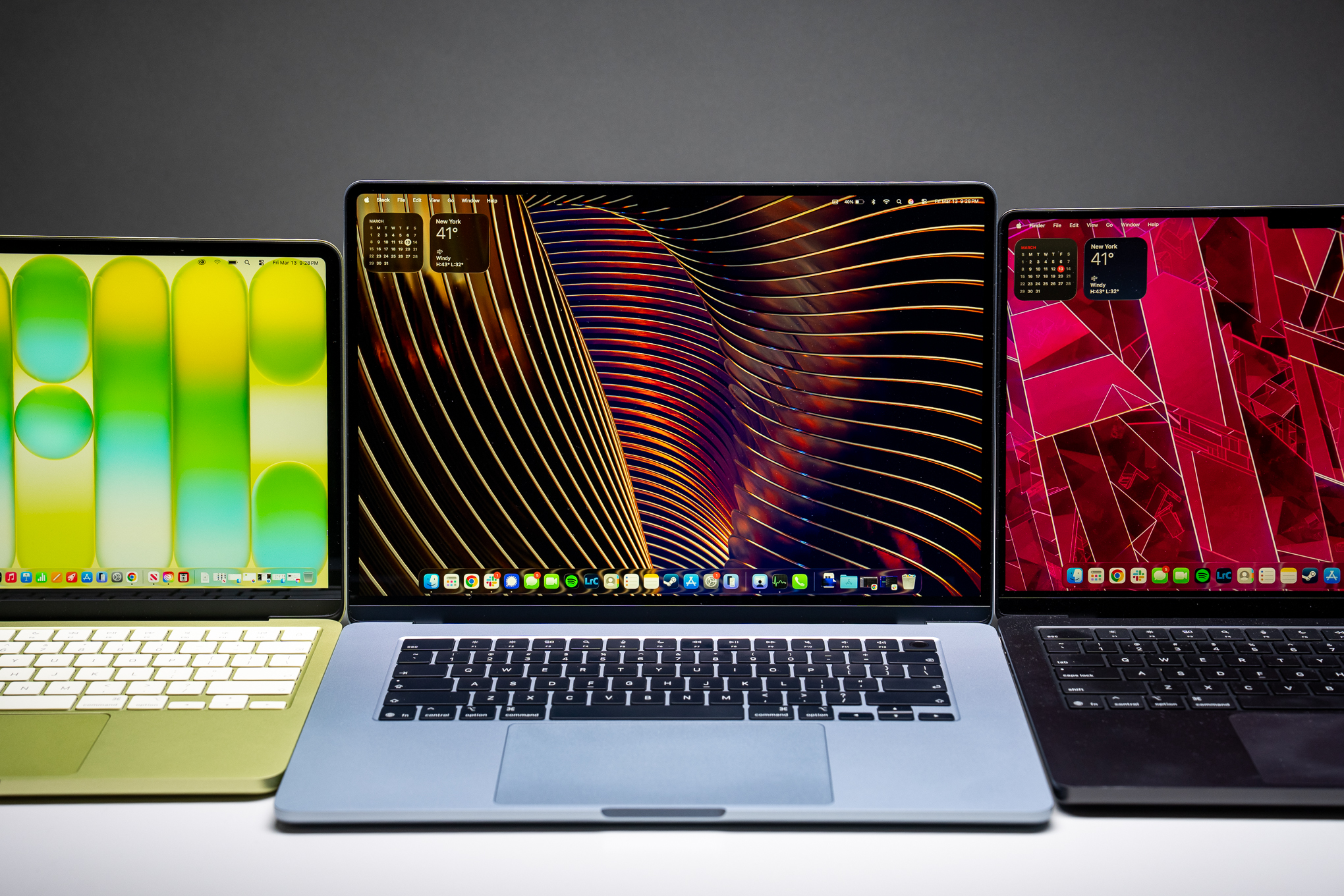

Following the promotion of Johny Srouji, Apple is expected to maintain its focus on what defines the excellence of its recent Macs: the chips.
During Tim Cook’s tenure, the Mac faced significant challenges, including the controversial butterfly keyboard, awkward USB-C transition, limited Touch Bar use, and underwhelming Intel chip performance. It seemed Apple’s focus shifted towards the iPad, making it a challenging period for Mac enthusiasts.
However, with the 2020 introduction of Apple Silicon, there was a transformative shift. The Macs were revitalized with powerful new chips, and Apple began prioritizing usability over ultra-thin designs. This marks a new prosperous era for Macs, and the recent changes indicate a promising outlook.
Apple’s leadership restructuring involves Tim Cook stepping down to make way for John Ternus as CEO in September. Ternus, a seasoned hardware expert, has worked on key Apple products including the iPhone, iPad, Apple Watch, AirPods, and multiple Mac iterations. He was also pivotal in the MacBook Neo launch and its promotions.
The other major leadership change involves Johny Srouji assuming Ternus’ former position, overseeing Apple’s hardware engineering. Known as “The Chip Guy,” Srouji’s work at Intel and IBM laid the foundation for his role at Apple starting in 2008, culminating in the creation of the A4 chip and driving the growth of Apple’s chip team. His strategic vision redefined modern computer performance levels.
Srouji’s promotion suggests Apple will continue prioritizing Mac performance and efficiency, highlighting the importance of the new M-series chips. These chips are integral to the MacBook’s core appeal, enhancing performance and battery life.
Concerns persist that Apple might repeat past mistakes focusing excessively on thinness. Rumors about a new, thinner OLED touchscreen MacBook Pro raise concerns, reminiscent of the problematic butterfly keyboard era under Jony Ive’s design leadership. However, steering away from thinness-focused decisions, such as with the MacBook Neo, suggests a focus on repairability and performance integrity rather than design compromises.
Apple’s management under Ternus and Srouji seems poised to maintain Macs as a standout product. While Apple might face some missteps, the trajectory set by these leaders with a focus on hardware and chip innovation promises continued success for the brand’s computer line.