
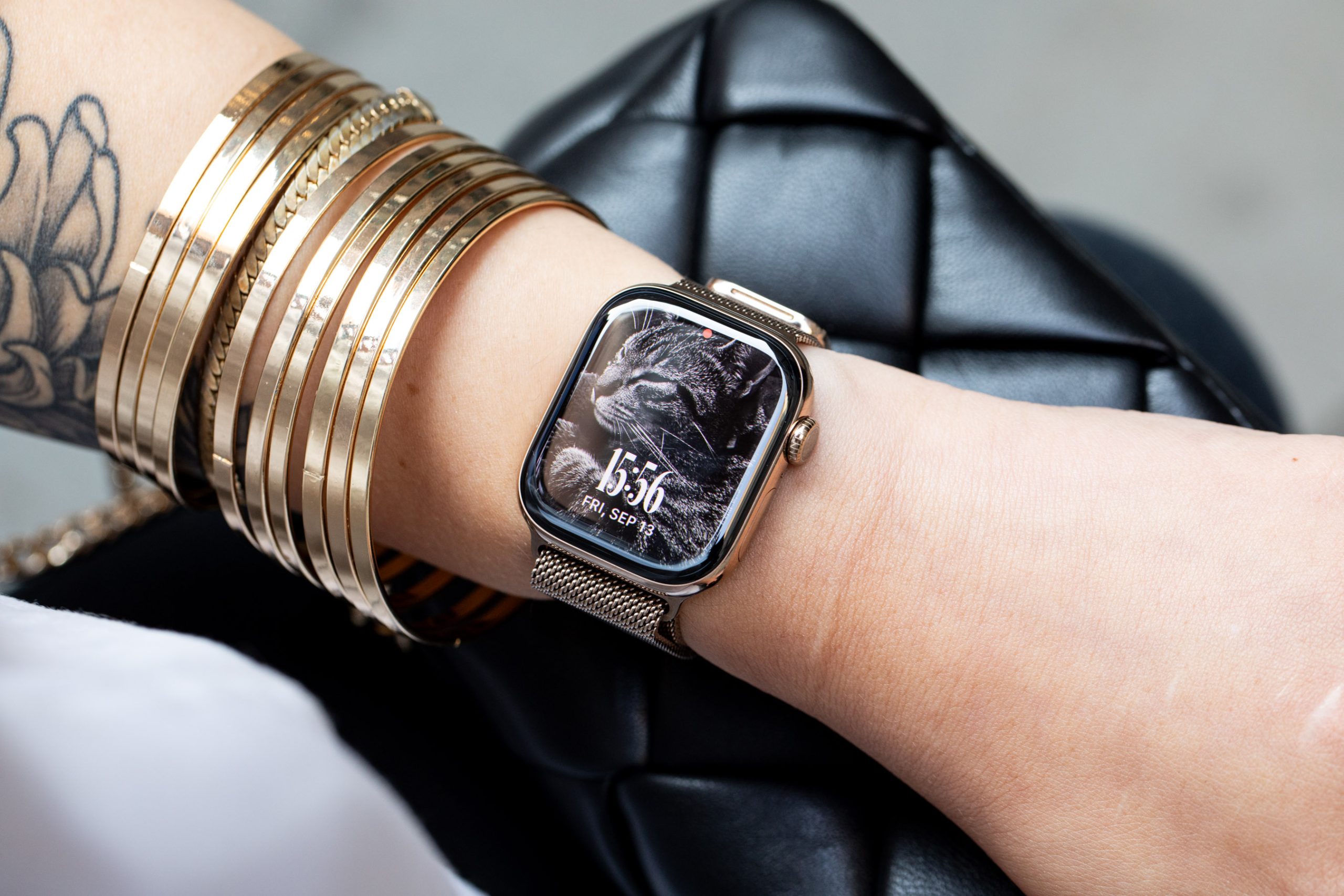

Tim Cook once stated that Apple’s most significant impact on humanity would be related to health, and if that proves true, he will be largely credited for it.
An apple a day keeps the doctor away—originally referring to the fruit, but Tim Cook has reshaped this saying with the debut of the Apple Watch. When he steps down in September, his legacy will not be defined by the iPhone, Mac, AirPods, or Vision Pro, but by the path the Apple Watch charted for modern health technology.
Tim Cook, according to his own words in 2019, told Mad Money host Jim Cramer, “…If you zoom out into the future, and you look back, and you ask the question, ‘What was Apple’s greatest contribution to mankind?’, it will be about health.”
As the first new product from Apple post-Steve Jobs, the Apple Watch was created without Jobs’ direct input, though Cook insisted that Jobs’ influence could be sensed in the device. It became a test of Cook’s leadership, and if Apple could continue innovation without Jobs’ unique vision.
The initial launch was rocky, with Apple positioning the Watch as a high-end fashion item— a strategy that didn’t hold. However, eventually, the Watch would redefine the wearables industry. Before Series 4, FDA-cleared digital health screening features were unheard of, but now various devices, including wearables, can detect medical conditions and contact emergency services in crises. Apple’s “Dear Tim” ad campaign highlights people saved by the Apple Watch, showcasing the genuine impact of Cook’s vision.
Cook was among the first tech leaders to approach wearables as tools that democratize healthcare and science. The pioneering Apple Heart Study and the Apple Research app have opened new avenues for clinical research. With 400,000 participants in 2017, the Apple Heart Study set a precedent; during the COVID-19 pandemic, researchers evaluated wearables for early illness detection. Studies revealed that the Apple Watch was able to identify COVID-19 signs up to a week early, extending Apple’s influence beyond its products as other organizations adopted the Oura Ring for similar purposes.
Current Health Secretary Robert F. Kennedy Jr. also advocates for taking charge of one’s health via wearable tech, influenced by the groundwork Apple laid with the Watch. Kennedy sees this technology as a key component of the Make America Healthy Again movement.
It could be tempting to downplay Tim Cook’s involvement in Apple’s health initiatives, with credit often going to Jony Ive’s design or Steve Jobs’ battle with pancreatic cancer influencing the Apple Watch’s creation. Yet, you can’t separate Cook from Apple’s health tech approach. With an interest in fitness and a regimented exercise routine, Cook embodied the principles applied in Apple’s health services, like Fitness Plus and Apple Watch Ultra’s features.
The future of Apple’s focus on health under John Ternus, Cook’s successor, remains uncertain. As a driving force behind the Apple Watch Ultra 3’s advancements, Ternus could bring innovations, such as noninvasive glucose monitoring. Apple has expressed the intention of incorporating health features into other devices, as seen with the AirPods Pro.
While Cook established a strong foundation, competing brands continue to push the boundaries of wearable health tech. In the future, as glucose monitors become commonplace and illness detection from earphones is the norm, Cook’s efforts will be recognized as the starting point.