
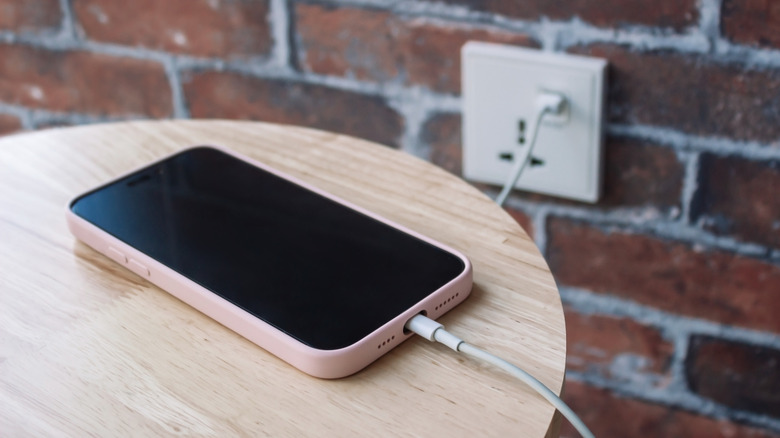

iPhone 17 variants provide over a day’s worth of battery endurance, while Android devices are equipped with high-capacity silicon-carbon batteries. Smartphone users consistently track battery life, ensuring they have charging solutions readily available. This may involve recharging the device at the office or in a vehicle, as well as utilizing power banks during travel. Users will also charge their phones at home and in public areas, whether with their own chargers or by borrowing from others.
With the majority of smartphones now incorporating USB-C ports, locating a charger or a USB wall socket compatible with USB-C has become more straightforward than ever. Some wall outlets additionally include USB-A ports, and sockets can be set up at home for even more convenient charging options. For those questioning the safety of using USB wall sockets instead of traditional power adapters, the answer is affirmative; it is completely safe to connect a phone directly to the wall, provided you are mindful of certain specific criteria regarding safety and security.
When setting up USB wall sockets in your home, it’s advisable to invest in high-quality products that will guarantee the safety of your devices and residence. This should not pose a risk for USB wall sockets in workplaces or public venues like cafes and hotels. One must trust that the owner of that property has opted for high-quality wall outlets featuring USB ports. However, the security aspect is important when evaluating public USB wall sockets. Given that USB cables can transmit data, public USB sockets could potentially be compromised. Some attackers might try to exploit unsuspecting users while they charge their devices.