

Apple’s new CEO might just be the catalyst for change.
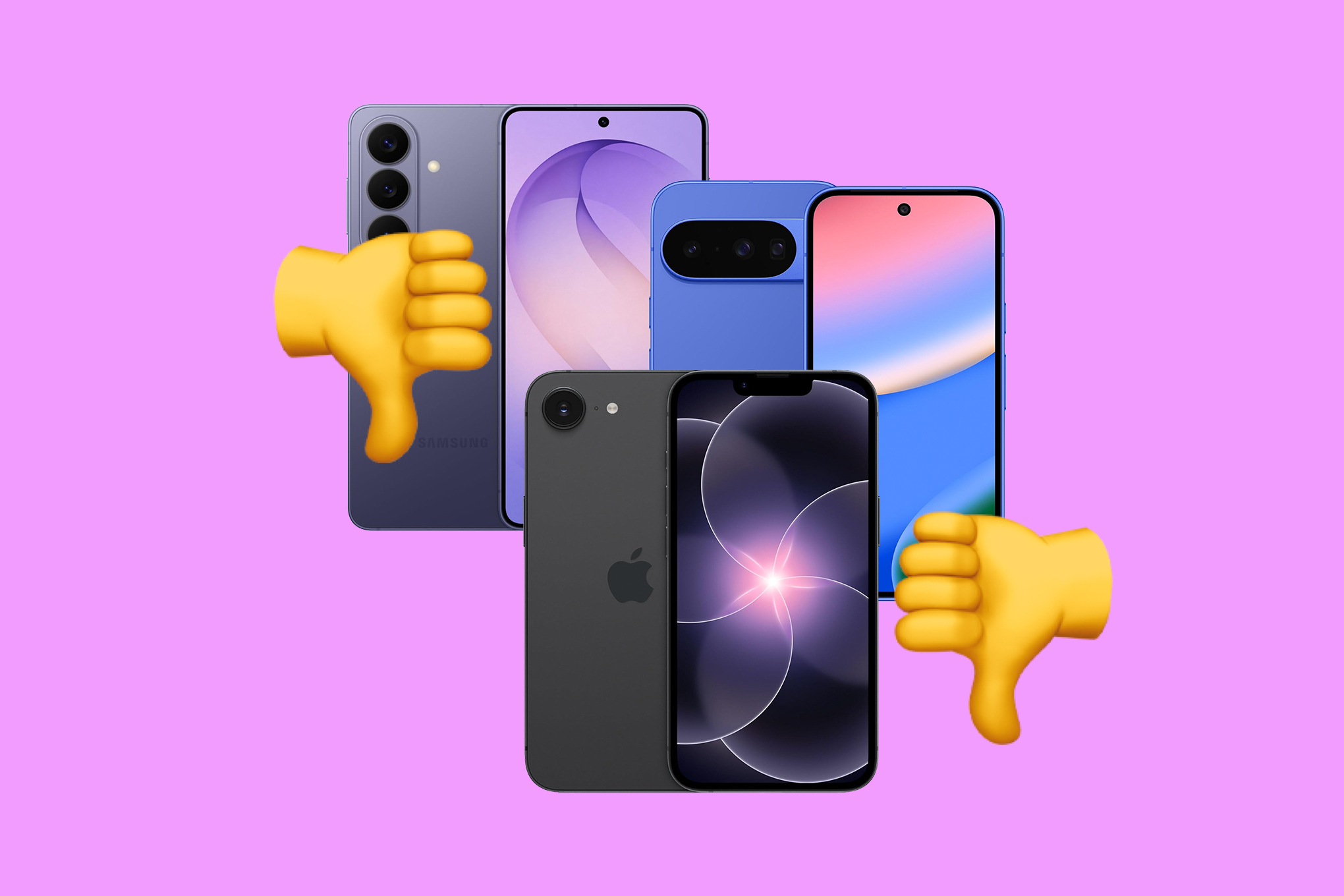
Apple and Samsung have long reigned over the US phone market, consistently pushing the limits of mobile technology. However, lately, they seem to have taken a backseat as Chinese tech companies forge ahead, creating a significant disparity between US phones and those available globally. A significant portion of this discrepancy can be attributed to Apple’s previously slow pace. With the appointment of John Ternus as CEO, known for his hardware expertise, there is hope for a shift from Tim Cook’s careful updates.
In the US, smartphone advancements lag considerably—particularly in camera and battery technology. Chinese manufacturers have embraced silicon-carbon batteries, enhancing capacity without increasing size, a trend yet to be adopted by American giants. Though these batteries pose potential longevity concerns, Chinese companies claim to have solutions, but only time will tell. US manufacturers are cautious, especially with upcoming EU legislation mandating 80% capacity retention over five years.
Camera advancements also highlight the discrepancy. Chinese brands continually advance camera technology, entering partnerships with companies like Zeiss and Leica, innovating beyond hardware to camera-inspired designs and accessories. The likes of Vivo and Oppo have introduced features like external telephoto extenders and phone grips mimicking compact camera technology, yet these have not reached mainstream US markets.
While camera enhancements add bulk, challenging aesthetics might deter US companies known for sleek designs. Additionally, high costs impact profit margins, possibly explaining Apple’s reluctance to rapidly innovate. As I explore Vivo’s X300 Ultra, packed with features yet to inspire American counterparts, it becomes apparent that these growths aren’t isolated. Many flagship Chinese phones integrate impressive specifications, surpassing those of US models.
The limited spec reach in the US can primarily be attributed to a duopoly of Apple and Samsung, despite various companies like Google and Motorola vying for market presence. Some models launching globally with unprecedented features like vibrant lighting, liquid cooling, and more have yet to break into the American market due to hesitancy towards Chinese tech and carrier restrictions.
Hardware isn’t the sole factor in success—US companies have thrived on design and ecosystem integration, though Chinese firms are catching up in software optimization by mimicking Apple’s design and refining interfaces. Oppo’s ColorOS proves comparable, if not superior, in certain respects.
The lack of disparity isn’t exclusively about premium models either. Mid-range phones abroad offer specs seemingly unattainable for similar prices Stateside. The likes of Honor and Poco have products boasting superior battery life, camera tech, and ingress protection, yet remain inaccessible in the US. The void in consumer choices is glaring.
US brands have historically relied on software and ecosystem strengths to compensate for hardware, but there is increasing pressure with each missed hardware leap. With replacement cycles lengthened and spec discrepancies stark, even lifelong users of brands can shift, evidenced by personal anecdotes.
With the potential for Apple’s innovation under Ternus, the entire market could benefit, driving competitors like Samsung and Google to adapt. His history indicates bold innovation with pragmatic cost consideration. Nonetheless, economic factors and legislative hurdles could deter aggressive movement.
The aftermath of Apple’s strategic decisions will extend beyond their brand, potentially urging US markets to elevate hardware to global standards, benefiting all smartphone consumers nationwide.