

American Chemical Society meeting.
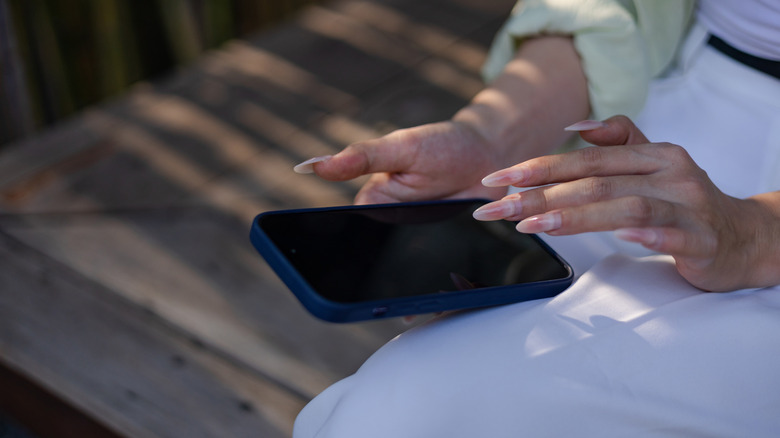
The mechanism is straightforward. Touchscreen devices are constructed with a thin layer of conductive material, shielded by a transparent glass layer. This conductive layer generates an electric field that extends across the top surface of the device. When you apply a stylus or your fingertip to the glass, it alters the field — producing a distinct electric signal. The device interprets that engagement into a digital response like gestures and controls. Ordinary nails lack the conductivity of your fingers and therefore do not affect that field. However, through research, scientists developed special polish formulations that can disrupt it. This is encouraging, as many of the top smart home devices appealing to minimalists now feature touchscreens or touch panels.
Manasi Desai, a chemistry and biology student at Centenary College of Louisiana in Shreveport, and Joshua Lawrence — an expert in organometallic chemistry — collaborated to add substances to commercially accessible clear nail polish. The objective was to maintain the formula’s clarity so that it can be applied over natural nails or any type of manicure.