
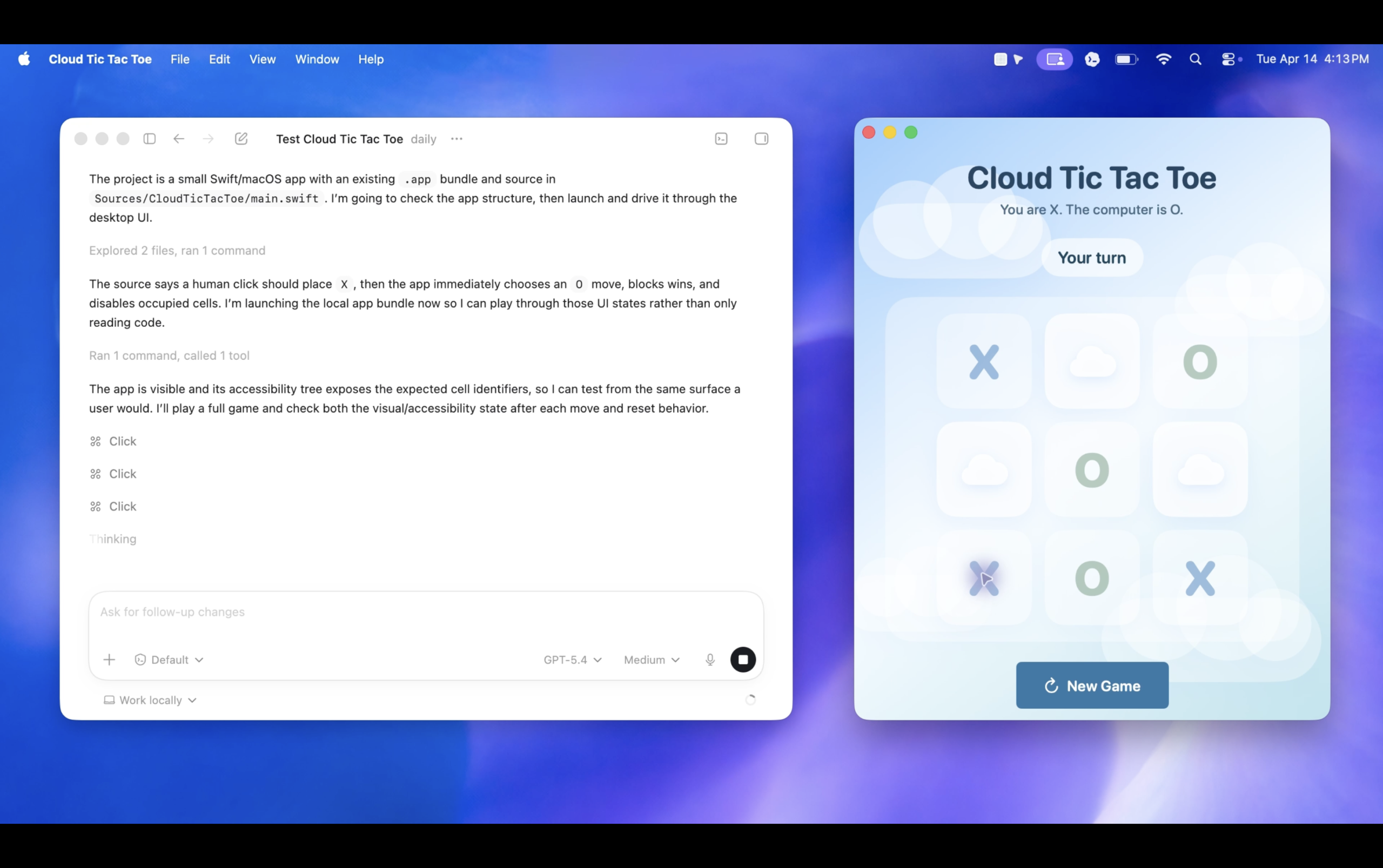

Codex is now capable of independently using your macOS applications. OpenAI has enhanced its Codex system with updates that enable it to use your computer, generate images, and remember past interactions. Codex can now operate desktop apps without disrupting your work in other applications, allowing multiple agents to function simultaneously. This is beneficial for developers who need to test and iterate frontend changes, test apps, or work with apps lacking an API.
The feature begins rolling out today for Codex desktop app users on macOS with ChatGPT, with future support for other systems unannounced. EU users will receive the update shortly. Codex can now create and iterate images using gpt-image-1.5, access new plug-ins for GitLab, Atlassian Rovo, Microsoft Suite, and utilize an in-app browser for web browsing, enabling users to provide direct page instructions.
Task automation has become easier as Codex can reuse conversation threads and schedule tasks. Codex is also introducing a memory function for retaining useful context like preferences, corrections, and gathered information. This opt-in feature will be previewed to enhance task completion speed and quality. Personalization features will also be available to Enterprise, Edu, and EU users soon.
These updates are part of OpenAI’s efforts to compete with Google and Anthropic, as coding and software tasks increasingly become automated. The rivalry with Anthropic is highlighted by notable developments such as Claude Code’s achievements and OpenAI’s aggressive strategies to remain competitive.