
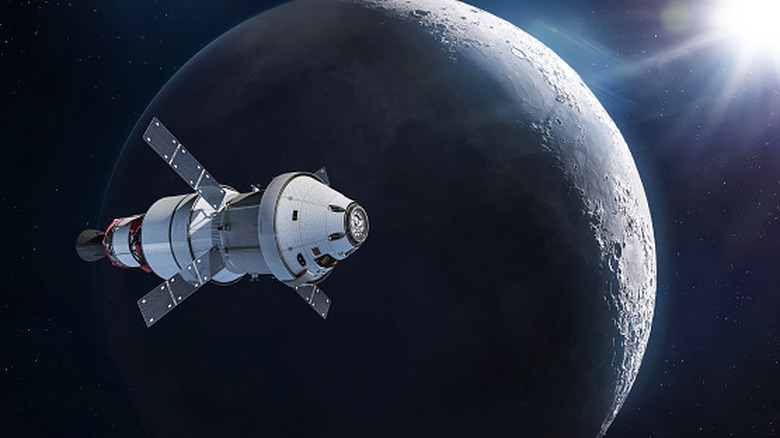

Artemis II was a remarkable mission that took four astronauts farther from Earth than anyone had ventured before. This marked Artemis’s initial crewed mission following a 2022 test flight, with further missions planned to return astronauts to the moon in 2028 and, ultimately, to Mars. The 10-day expedition captured global interest and is broadly viewed as a triumph, although some significant issues exist with the Orion spacecraft.
Orion employs helium pressure to deliver fuel to the engine as part of its propulsion mechanism, but an internal helium leak exists in the oxygen pressurization system. While this did not affect Artemis II’s safe reentry into Earth’s atmosphere, it must be resolved prior to any upcoming missions. Notably, NASA was aware of the leak prior to Artemis II’s launch, but it wasn’t considered severe enough to postpone the mission.
Although the propulsion system appeared to operate normally, this mission utilized the larger engine only once. This is a concern that NASA must tackle, made more challenging by the fact that the module is not recovered after reentry, which prevents the examination of the leaking valves and necessitates a complete redesign. Nevertheless, resolving the helium leak and other Orion concerns is vital before NASA can initiate more intricate missions that demand the engine’s full capabilities — such as traveling to Mars.