

This year’s GTC was intense. It was my first time attending a “rock star” keynote with such palpable energy. However, there was an odd tension in the air. Many, including myself, were surprised by Jensen’s strong focus on OpenClaw and DGX G10s (Spark). The media was, predictably, filled with mocking memes labeling Jensen as a “shovel salesman” selling tools to a gold-rush crowd.
A significant debate is ongoing: Is AI a bubble? Will hyperscalers and their “Token AI Factories” exacerbate climate change and result in wasted capital?
One of the more controversial conference takes was the assertion that OpenClaw is the new compute layer, drawing comparisons to Linux’s emergence. So, I must ask: Is Jensen merely a shovel salesman, or are we witnessing the foundation of something new?
Over lunch with my old friend Drew, we discussed our long careers as full-stack developers. Drew held a skeptic’s view: he sees a bubble with no signs that the massive compute power will be utilized, and he predicts the NVIDIA hype will collapse under its weight.
My response was straightforward: I can’t get enough tokens. Can you?
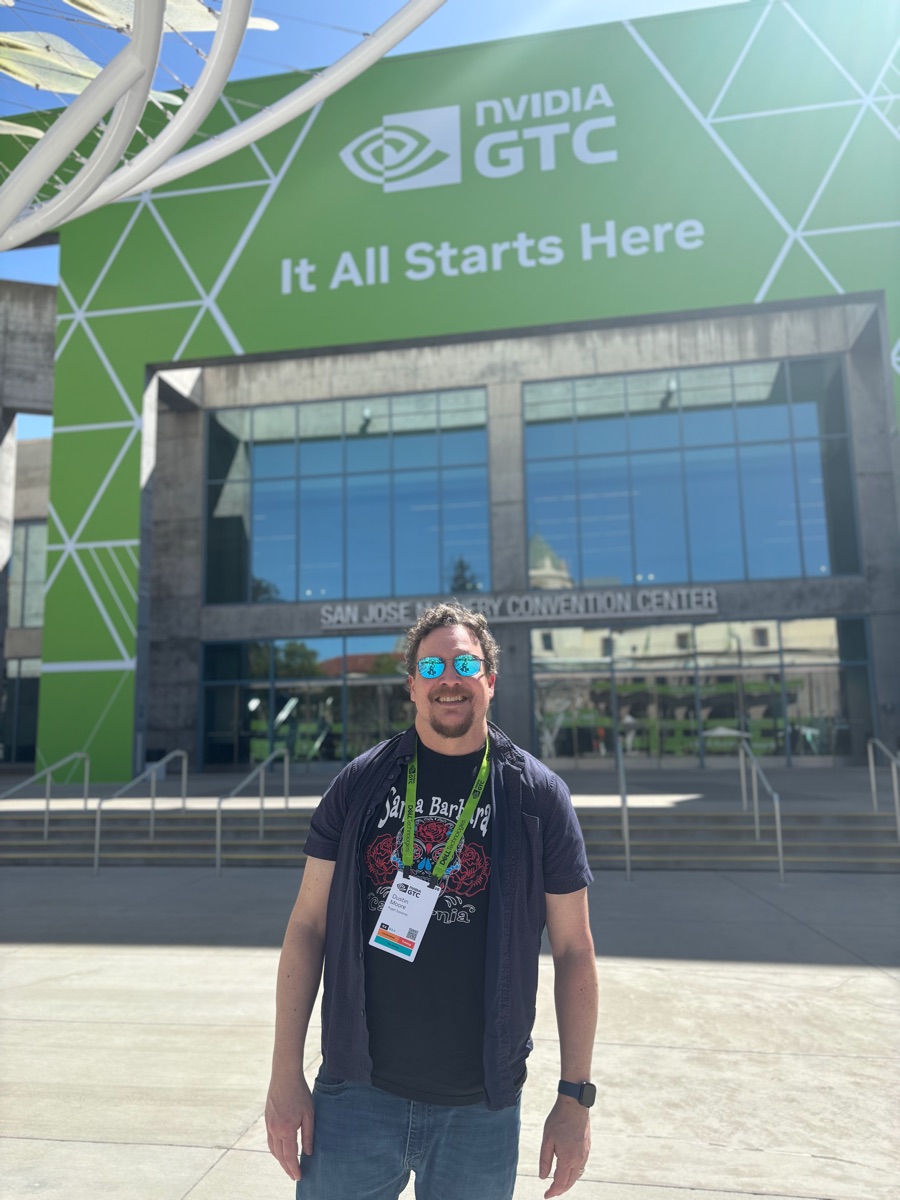
I’m naturally an early adopter. I witnessed the transition from dial-up to the World Wide Web, the transformative impact of GPUs on gaming, and Steve Jobs unveiling the iPhone when “touch interfaces” involved a plastic stylus struggle.
Unsurprisingly, I dove headfirst into AI. Over the past three years, I’ve transitioned from traditional regression to deep generative workflows. It’s been a remarkable journey. I recall skepticism when GPT-3 struggled to create coherent sentences, let alone write code. Now, I have 4-5 agents working on projects concurrently, managing their focus to augment my own.
This is where the “bubble” argument crumbles for me. The demand is a capacity issue.
Initially, I explored unsubsidized model costs, with token costs sometimes spiking to $1,000 a month for Bedrock AWS Sonnet models. I needed more at a lower cost, so I switched to Gemini and specialized models. My workflow now involves a constant dance: utilizing Nemotron on localized hardware for privacy and speed, switching to Gemini for vast context windows.
I still can’t get enough tokens.
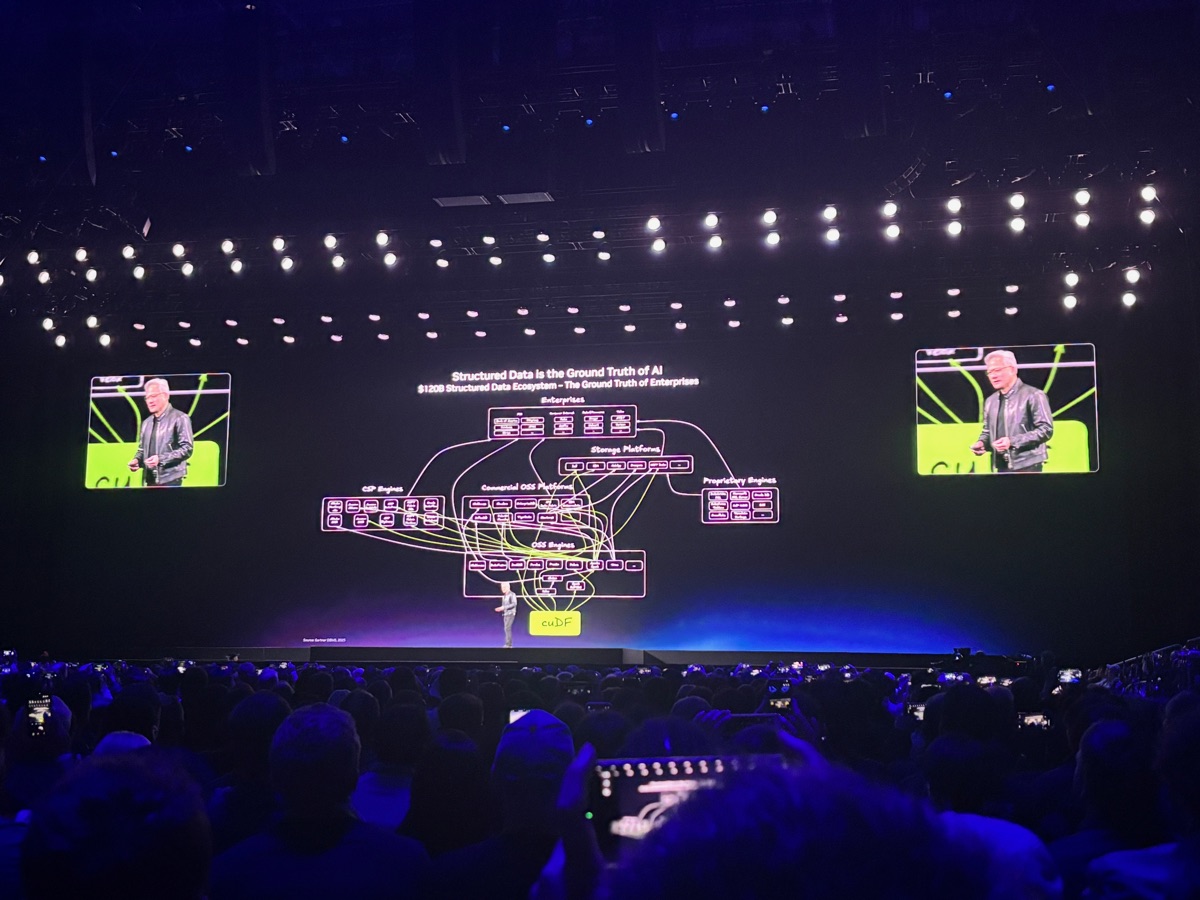
This echoes Jensen’s remarks about the “500K engineer.” He wasn’t referring to people typing prompts into chat boxes; he meant engineers using AI to amplify their output tenfold. Running agentic workflows requires massive raw computational power. It’s token generation all the way down.
The world faces a paradox. On one hand, there’s public AI skepticism and fear; on the other, practitioners demand more tokens, speed, and privacy. I see this as a failure of the AI community, lacking quality output to bridge the gap.
Over two decades, screens displayed human-created content, enhanced by digital tools. Progressed from overhead transparencies to Photoshop; from manual typing to word processors; from 2D to 3D animation and rendering. All required skill. AI is similar, a tool accessible to anyone, flooding expert spaces with slop. However, AI-employed artists, coders, and digital creators aren’t creating slop; they’re using AI in their creative process to produce something awesome.
I observe this shift in real-time. We’re moving away from the “Cloud-Only” era. As local model costs drop and privacy and low latency become priorities, the bottleneck shifts from model to machine.</